Choosing the right Annie Sloan paints and finishes can transform wood furniture, cabinets, and walls with minimal prep. This guide focuses on practical combinations that work well in American homes, whether you’re aiming for a soft, vintage vibe or a clean, contemporary look. Each product is selected for its versatility, ease of use, and how it pairs with other Sloan shades and waxes.
Buyer at a glance:
– Beginners seeking a simple, two-coat process: Chalk Paint® and Wall Paint with Wax for protection.
– DIYers aiming for a classic, timeless finish: Canvas or French Linen combined with Clear Wax.
– Those wanting a durable, refined look: Wall Paint in Original with Chalk Paint® Wax for a tactile finish.
– Upcycling enthusiasts needing a robust topcoat: Chalk Paint® Wax in Clear or Black for depth and durability.
| Product | Best For | Key Benefit |
|---|---|---|
| Chalk Paint® Canvas (120 ml) | Furniture, cabinets | Neutral base that pairs with bold or soft tones |
| Wall Paint Original (4 Fl Oz Tester) | Walls, interiors | Warm white with depth, good on large surfaces |
| Chalk Paint® Wax Clear (500 mL) | Protection, finish | Smooth, matte or buffed sheen |
| Wall Paint French Linen (4 Fl Oz Tester) | Walls, accents | Cool neutral to anchor a color palette |
| Chalk Paint® Wax Black (500 mL) | Depth and texture | Emphasizes details and aging |
Chalk Paint Canvas: Soft Neutral Beauty

Product overview: Canvas is a soft, versatile color that can stand alone or act as a quiet backdrop for brighter shades. It is a pale beige that works well in both contemporary and traditional interiors. This paint is water-based with high coverage, typically about 17 square feet per 120 ml bottle. Best for furniture, cabinets, and decorative pieces that require a natural, painterly finish.
Who it’s best for and why: Ideal for beginners and seasoned DIYers who want a neutral base that blends with other Annie Sloan colors. Canvas supports layering with brighter accents or soft pastels for a balanced look. Caution: If you seek a highly bold look, Canvas may mute saturated tones when overlapped heavily.
Wall Paint Original: White with Warm Undertone
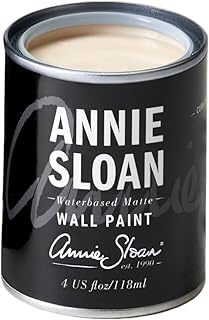
Product overview: Original is a traditional white with a warm undertone, softening the room’s mood while providing a clean, bright backdrop for other colors. Coverage is substantial, with one gallon covering up to about 387 sq. ft., making it suitable for walls, cabinets, and larger surfaces. Best used with two coats for best finish.
Who it’s best for and why: Perfect for spaces that need a calm, versatile white that will work with pastels or bolder tones. It pairs well with French Linen to create a refined palette. Limitation: Applicator consistency and surface texture influence final brightness; test on a small area first.
Chalk Paint® Wax Clear: Durable Protection

Product overview: Clear Wax protects paintwork and helps achieve a smooth matte sheen, with the option to buff for a polished glow. It’s easy to apply and repair without sanding, making it suitable for hand-painted finishes on furniture and walls.
Who it’s best for and why: Choose this for a classic, hand-finished look that remains repairable over time. It works well after Chalk Paint on panels or frames. Caution: Apply thin coats and wipe away excess to avoid a sticky finish in high-humidity areas.
Wall Paint French Linen: Soft Gray-Brown

Product overview: French Linen is a cool gray-brown tone that anchors a palette and helps other colors sing. It creates a soft environment while remaining versatile for accents and space-defining walls. Coverage is similar to Original, with two-coat recommendations for best finish.
Who it’s best for and why: Best for those who want a modern backdrop that complements blues, greens, and warm neutrals. Use as a wall color to calm brighter accents or make furniture stand out. Limitation: Its cool undertones may clash with very warm woods if not balanced carefully.
Chalk Paint® Wax Black: Deepened Texture

Product overview: Black Wax emphasizes texture and adds depth when used over a base layer of Clear Wax. It yields a matte sheen and can be buffed for a refined look, ideal for aging furniture and vintage pieces. Best applied selectively to engravings, edges, and detail work.
Who it’s best for and why: Choose Black Wax to highlight details and create antique appearances on cabinets or frames. Limitation: Opaque colors on light surfaces may require more careful application to avoid overly dark patches.
Buying Guide: Key Tradeoffs and Practical Tips
How to pick the right combination depends on surface, desired finish, and maintenance willingness. Consider these questions:
- What surface are you painting? Plywood, MDF, or real wood can respond differently to chalk vs. wall paints.
- Do you want a subtle, vintage look or a bold, contemporary feel? Neutral base colors like Canvas or Original pair with bolder accents.
- What level of protection do you need? Wax finishes add depth and repairability but require periodic maintenance; paint alone may suffice in low-use areas.
- Are you layering for texture? Chalk Paint® Wax in Black or Clear can add age and contrast when used strategically.
- How important is ease of use? Chalk Paint® and Wax are designed for simple application and revision without heavy prep.
Practical Tips for Effective Use
- Prepare surfaces by cleaning and ensuring dryness; for walls, a light sanding improves adhesion.
- Stir paints thoroughly and apply in thin, even coats; two coats often yield best coverage.
- Test color samples on inconspicuous areas before large projects to confirm the finish.
- Use a lint-free cloth or dedicated wax brush for applying wax, and wipe away excess to avoid sticky spots.
FAQ
- Can I mix Chalk Paint with Wall Paint? Yes, you can mix to achieve a custom tone, but test compatibility on a hidden area first.
- Do I need to sand the surface before applying Chalk Paint? No sanding is required for most Chalk Paint projects, but a clean, dry surface helps with adhesion.
- Which wax should I start with for a beginner project? Clear Wax is the easiest to learn, providing a protective layer without dramatically changing color.
- How many coats are recommended for walls? Typically two coats for even coverage, depending on surface texture and color.
- Is Black Wax suitable for all finishes? It’s best for adding depth on textured or carved details and should be used sparingly on light surfaces.
- What is the best way to repair scratches after waxing? Lightly reapply a thin wax layer and buff the area to blend with the surrounding finish.