Looking for an amber-toned wood stain to achieve warm, classic finishes on furniture, cabinets, or trim? This guide highlights five amber-friendly options, each with clear uses, best-for scenarios, and practical cautions. Ideal buyers include DIY homeowners seeking indoor projects with low odor, pros in need of quick-dry finishes, and hobbyists aiming for even color penetration. The summary table below helps you compare essentials at a glance.
| Product | Best For | Notable Detail |
|---|---|---|
| ZAR 12912 Wood Stain, Aged Varnish/Amber | Indoor wood projects needing amber warmth | Known for aged varnish look |
| ColorTone Vintage Amber Concentrated Liquid Stain | Custom tonal work, grain emphasis | Highly concentrated for mixing |
| Furniture Clinic Dark Oak Wood Stain | Indoor/outdoor furniture needing rich brown-amber | Water-based, quick dry |
| Vividye Wood Stain (Teak) | General amber-toned projects, decks, furniture | Water-based, low odor |
| Varathane Premium Fast Dry Wood Stain (Honey Maple) | Interior cabinets and trim with amber warmth | One-hour dry time |
ZAR 12912 Wood Stain, Aged Varnish/Amber

The ZAR 12912 is a classic amber-toned stain option designed to deliver aged, varnish-like presence on indoor wood surfaces. This product is commonly selected for projects where a traditional amber glow is desired on furniture, trim, or decorative pieces. Best for buyers who want a durable, antique-appearing finish with solid color depth.
Best for: Homeowners restoring or enriching mid-century or rustic wood pieces. Also a reasonable pick for DIY cabinet refreshes that require a warm, amber tone.
What to know: The listing notes United Gilsonite Laboratories 12912 as a stain and finish, suggesting a combined effect. A caution: exact color depth can vary with wood type and surface prep, so test on a small area first.
ColorTone Vintage Amber Concentrated Liquid Stain
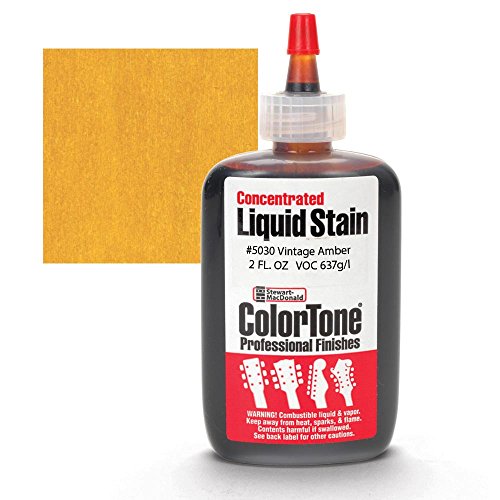
This concentrated amber stain offers a vintage hue designed to enhance grain while staying flexible for mixing. It’s well-suited for craft projects, guitars, or furniture that benefits from nuanced amber warmth. The formula supports versatile application, including wipe-on methods when diluted with alcohol or water.
Best for: Woodworkers who want control over tonal depth and the ability to custom-tone finishes. It’s especially useful when you need to tweak color with other finishes or lacquers.
Limitation: Being highly concentrated, care with application is important to avoid color inconsistencies. Test dilution on a scrap piece first to reach the desired amber shade.
Furniture Clinic Wood Stain | Dark Oak

Furniture Clinic’s Wood Stain in Dark Oak delivers quick-drying, low-odor performance, with a water-based formulation that is friendly for indoor use. It’s effective on a variety of wood surfaces and offers several color options in the same family, with a distinct, amber-tinged brown result.
Best for: Projects requiring fast drying with minimal odor—especially indoor furniture, cabinetry, or trim. It’s a solid pick when you want a warm amber-brown without strong fumes.
Caution: Drying times can vary with environmental conditions; ensure proper ventilation and allow the recommended cure time for best color uniformity.
Vividye Wood Stain (Teak)

The Vividye Teak variant is a water-based stain that emphasizes amber-rich warmth with a natural finish look. It’s designed to penetrate wood fibers evenly and provide a rich color that complements cabinetry, furniture, and outdoor-deck accents when used with proper topcoats.
Best for: Home projects seeking a traditional Teak-leaning amber tone with low odor and indoor-friendly water-based chemistry. Better for lighter to mid-tone woods where grain needs accentuation without heavy masking.
Limitation: Teak-like results depend on wood type and base color; always test a small area to verify the amber depth before full application.
Varathane Premium Fast Dry Wood Stain | Honey Maple

Varathane’s Honey Maple stain is an interior-focused option offering fast-drying performance and single-coat coverage for amber-leaning warmth on furniture, cabinets, doors, and trim. The oil-based formula dries to a touch in about an hour, enabling quicker project turnover for lighter to mid-tone woods.
Best for: Projects that demand quick turnaround and strong amber warmth, such as kitchen cabinet updates or trim refinishing. Choose this if you want a one-coat solution with a warm maple-like hue.
Caution: Oil-based formulations can have longer odor and cleanup considerations; ensure ventilation and use appropriate solvent cleanup as directed on the can.
Buying Guide: Amber Wood Stain Essentials
What should I consider when choosing an amber wood stain?
- Wood type and grain: Lighter woods respond more dramatically to amber hues; darker woods may require multiple coats to achieve the desired depth.
- Water-based vs oil-based: Water-based stains offer low odor and easier cleanup; oil-based stains generally provide deeper color and longer durability, but with stronger fumes.
- Drying time: Quick-dry options suit busy timelines, but ensure proper curing for color stability and topcoat compatibility.
- Indoor suitability: For indoor projects, prioritize low VOC, low odor formulas to improve air quality during application.
- Finishing compatibility: Consider whether you will seal with polyurethane, varnish, or oil-based finishes, as some stains pair better with certain topcoats.
How do I test and apply amber stains for best results?
- Test on a scrap or hidden area to compare color depth and grain enhancement before committing to the entire piece.
- Apply in the direction of grain; use thin coats for even penetration and avoid pooling.
- Wipe excess stain after a few minutes to control saturation and achieve a consistent amber tone.
- Allow adequate drying time between coats if more depth is required, and finish with a compatible topcoat to lock in color.
Maintenance and longevity considerations
- Reapply stain as needed for periodic refreshment; wear patterns on high-traffic surfaces may require touch-ups.
- Use color-matching touch-up kits for small repairs to blend scratches or worn areas with amber tones.
- Protect stained surfaces from direct sun exposure to reduce fading or amber shift over time.
FAQ
- What’s the difference between amber and honey maple stains?
Amber stains lean toward warm brown with a hint of yellow; honey maple tones resemble warm golden-brown with a maple feel. - Is water-based stain safer for indoor use than oil-based stain?
Yes, generally water-based stains have lower odor and VOC levels, making them more suitable for indoor projects. - Can I mix amber stains to customize color?
Many concentrates can be blended with other colors or finishes to achieve a unique amber shade, but test first. - How long does amber stain typically take to dry?
Dry times vary by product; many water-based stains dry to the touch within minutes to hours, while oil-based ones may take longer. - Do I need a topcoat after staining?
Most projects require a protective topcoat to seal color and enhance durability; choose a compatible finish based on location and wear. - Which amber stain is best for cabinets?
Look for interior-specific stains with good coverage, low odor, and a finish that can pair with polyurethane topcoats for cabinets; Varathane Honey Maple and Furniture Clinic Dark Oak are common choices depending on desired depth.