Answering the question “which acrylic clear coat is best for wood?” this guide highlights five clear coats that are well-suited for wood projects, offering durable protection while preserving color and detail. These products are ideal for DIYers, hobbyists, and professionals seeking a finish that resists yellowing, reduces brush marks, and enhances the natural beauty of wood.
Buyer type overview:
– DIY hobbyists: simple, fast-drying formulas with clear, even sheens.
– Woodworkers: durable protective finishes for furniture, cabinetry, and trim.
– Artists and craftspeople: finishes that preserve color depth and texture on painted wood projects.
– Studio painters: non-yellowing formulas with UV resistance for long-term stability.
Summary table of selected products:
| Product | Finish Type | Best For | |
|---|---|---|---|
| MCTRHG Clear Acrylic Paint Sealer | Gloss | Vibrant wood and mixed-media pieces needing a shiny finish | Resists yellowing; self-leveling |
| Minwax Polycrylic Protective Wood Finish, Clear Satin | Satin | Interior wood projects seeking a subtle sheen | Low odor; non-yellowing |
| Minwax Polycrylic Protective Finish Gloss (¼ pt) | Gloss | Clear, bright protection for light woods and stained surfaces | Crystal clear; easy touch-ups |
| MCTRHG Clear Acrylic Satin Varnish | Satin | Artwork and crafts requiring balanced sheen | UV resistant; preserves texture |
| GRANOTONE Clear Coat Acrylic High Gloss Varnish | High Gloss | Pro and hobby artist pieces needing maximum gloss and protection | Non-yellowing; anti-crazing |
MCTRHG Clear Acrylic Paint Sealer (Gloss)
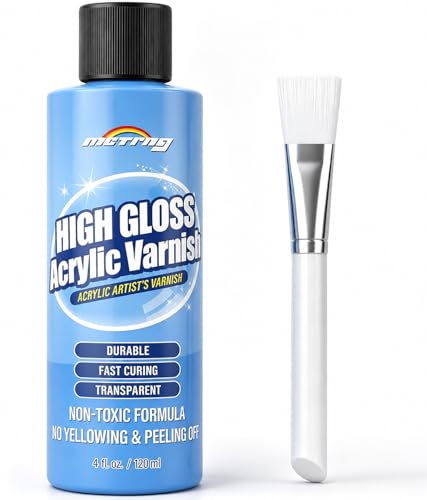
Features: Crystal-clear wet-look gloss with permanent protection; resists yellowing, fading, and UV exposure; self-leveling formula dries fast to a glass-like shine without brush marks or haze. Best for: artists and crafters seeking a bold, reflective finish on wood surfaces and mixed-media pieces. Caution: may emphasize surface imperfections on very uneven wood if over-applied.
Minwax Polycrylic Protective Wood Finish, Clear Satin

Features: Crystal-clear finish that lasts, protects interior wood projects, suitable over stains and colors; satin sheen provides a subtle, modern look; non-yellowing, non-ambering, and low odor. Best for: projects where a quiet, natural wood look is desired with durable protection. Caution: not ideal for outdoor use or high-heat environments without proper suitability checks.
Minwax, Clear Polycrylic Water-Based Finish Gloss
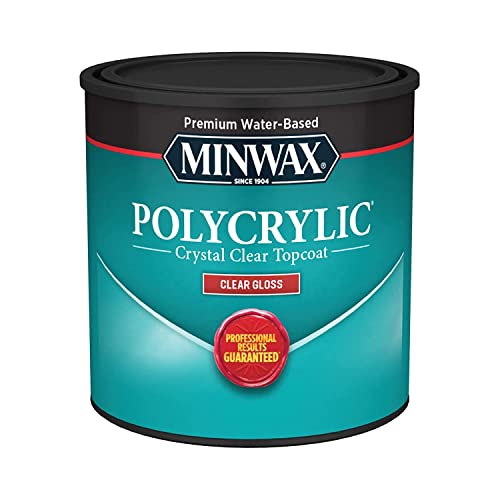
Features: Clear protective finish that works over water- and oil-based stains; gloss sheen enhances brightness of wood while protecting against scratches and dirt; non-yellowing and low odor. Best for: light woods or projects where a bright, glossy finish is desired. Caution: gloss can emphasize surface imperfections if not properly prepared or applied in thin coats.
MCTRHG Clear Acrylic Paint Sealer, Satin

Features: Balanced satin protection for most artwork; protects from dust, UV exposure, and yellowing; dries clear with a natural sheen that preserves texture and details. Best for: artworks and wood crafts where a balanced, non-glossy finish is desired. Caution: satin may appear less protective on very glossy or heavily textured surfaces if applied unevenly.
GRANOTONE Clear Coat Acrylic High Gloss Varnish

Features: Artist-grade varnish for high gloss finish; durable protection and crystal-clear sheen; resists yellowing and crazing. Best for: professional and hobby artists seeking maximum gloss and a protective shield on acrylic-based wood artwork. Caution: high-gloss finishes can show dust more readily and may require more frequent cleaning to maintain clarity.
Buying Guide: Key Considerations For Acrylic Clear Coats On Wood
What finish do you want? Gloss, satin, or matte each provide a distinct look and light reflection. Gloss yields the brightest, most vibrant colors but can reveal brush marks; satin and matte reduce shine while preserving depth and texture. Consider the desired final appearance for the project.
Is it water-based or solvent-based? Water-based polycrylics generally dry faster, have lower odor, and are non-yellowing. Solvent-based lacquers often offer tougher protection and superior scratch resistance, but can require ventilation and stronger odor. Choose based on indoor use and workspace safety.
Wood type and exposure: For interior wood furniture or crafts, polycrylics provide good protection and ease of maintenance. For pieces exposed to sunlight, UV resistance matters to minimize fading. Some products emphasize UV protection to keep colors true over time.
Application and finish maintenance: Self-leveling formulas minimize brush marks. Practice thin coats and light sanding between coats to achieve an even finish. Consider recoat windows and compatibility with stains or paints to avoid adhesion issues.
Health and odor considerations: If working in a small space, select low-odor or water-based formulas. Always follow label guidance for ventilation and drying times to ensure safe, effective drying.
Quick Comparison Tips
- Best for high-gloss impact: GRANOTONE Clear Coat Acrylic High Gloss Varnish.
- Best all-around satin protection: Minwax Polycrylic Protective Wood Finish, Clear Satin.
- Best for non-yellowing, clear glass-like shine: MCTRHG Clear Acrylic Paint Sealer (Gloss).
- Best for preserving natural wood look with a subtle sheen: MCTRHG Satin Finish (clear satin).
- Best for budget-friendly, transparent protection over painted or stained wood: Minwax 25555 Clear Polycrylic (Gloss) or similar.
Frequently Asked Questions
- What is the difference between gloss and satin finishes for wood coatings?
Gloss provides a brighter, more reflective surface that enhances color depth, while satin offers a softer, less reflective look that preserves texture and detail. - Can these finishes be used on stained wood?
Yes. Polycrylic and acrylic sealers are designed to protect and seal stained wood surfaces while maintaining color and finish quality. - Are water-based coatings safer for indoor use?
Generally yes. Water-based finishes tend to have lower odor and faster drying times, making them suitable for indoor projects with good ventilation. - Will these finishes yellow over time?
Most modern water-based polycrylics are formulated to be non-yellowing. Some solvent-based products may yellow with exposure; check product specifics for UV resistance. - How many coats are typically recommended?
Most finishes perform well with 2–3 thin coats, allowing proper drying and light sanding between coats for a smooth, even surface. - Is it necessary to sand between coats?
Light sanding between coats (with fine-grit sandpaper) helps achieve a smoother final surface and improves adhesion of subsequent coats.