When selecting 135 degree outside corner molding, the goal is to protect and finish joints while matching your project’s style and environment. This guide highlights five top options suited for different needs—from durable metal corners for furniture and trim to flexible vinyl and wood moldings for DIY projects. The top picks are ideal for homeowners, workshop civers, and DIY remodelers seeking reliable edge protection with straightforward installation. Below is a quick buying table for fast comparison.
| Product | Best For | Material | Notes |
|---|---|---|---|
| Outwater Aluminum Angle ALU469-135-M | Metal furniture and protective trim | Aluminum | Paintable; 135° angle; 36″ lengths |
| Outwater Plastic 1952-Wh | Lightweight, economical corners | Plastic | 135° angle; 48″ lengths |
| Epic QT Stainless Steel 135° Outside Corner | Professional panel edges | Stainless Steel 304 | Corrosion resistant; #4 brushed finish |
| Maydos Peel & Stick Corner Trim | Fast, interior/exterior DIY edges | PVC/TPE blend | Self-adhesive; flexible 90–180° range |
| The Millwork Outlet 1×1 Hardwood Corner | Natural wood detailing | Poplar hardwood | Real wood; 1″ x 1″ profile; versatile finish |
Outwater Aluminum Angle 135 Degree Moulding

Best for: metalwork projects requiring rigidity and paintability. This 1″ x 1″ angle with 135° corners offers extra strength for furniture protection and structural edge support. It is suited for applications where a finished, sturdy corner is needed and painting is anticipated. The data notes possible scratches or die lines, so expect minor surface imperfections in some packs. Use this when you want a durable aluminum corner that can be finished to match surrounding surfaces.
Why selected: It combines a standard 1″ x 1″ leg with a 135° angle, enabling clean joins at right-angled corners. The 36″ lengths reduce the number of seams in larger projects. Choose this if you prefer metal durability and a paint-ready surface, especially for furniture or protective trims.
Caution: Surface imperfections like scratches or die lines may appear; plan for pre-finish prep before painting.
Outwater Plastic 135 Degree Moulding

Best for: budget-friendly, lightweight edge protection in furniture and interior trim. This 1″ x 1″ even-leg angle is designed for furniture applications and won’t showcase scratches over time, making it suitable for surfaces where a neat, unobtrusive look matters. It comes in 48″ lengths for easier coverage of longer runs.
Why selected: Plastic angles provide a simple, economical solution for edging and corner protection without the heft of metal. They are easier to cut and install in quick DIY projects.
Caution: Plastic can be less rigid than metal, so avoid high-stress environments or heavy impacts that could deform the corner over time.
Epic QT Stainless Steel 135° Outside Corner

Best for: professional panel and exterior metal trim applications needing corrosion resistance. The 20ga stainless steel panel corner with a #4 brushed finish offers a clean, professional appearance along with robust protection against corrosion. Suitable for outdoor or high-humidity environments where metal trim is preferred for longevity.
Why selected: The stainless steel construction provides superior durability and a refined finish. It’s better for high-traffic or outdoor installations than basic plastic options.
Caution: Stainless steel trim can be more challenging to cut and install; ensure proper tools and edge preparation for precise alignment.
Maydos Peel & Stick Corner Trim
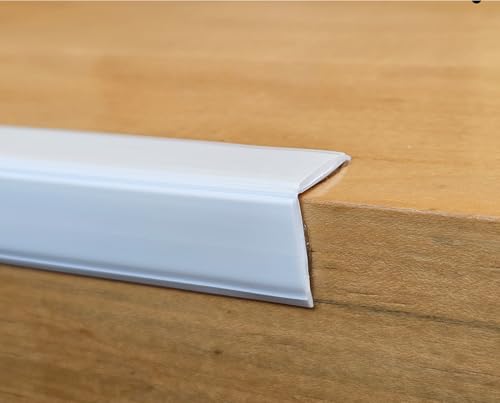
Best for: quick, interior corner upgrades with minimal tools. This 1.5 inch by 16 feet self-adhesive corner trim is flexible enough to cover irregular or curved edges and works well for kitchen backsplashes, windows, or door frames. The material is a durable TPE blend for inside and outside use.
Why selected: The peel-and-stick design makes installation fast and clean, with high-adhesion backing that resists peeling. It is ideal for DIYers looking to finish corners without miter cuts or glue.
Caution: Ensure a smooth, dust-free surface for best adhesion; improper prep can reduce stickiness over time.
The Millwork Outlet 1×1 Hardwood Corner

Best for: traditional wood trim lovers seeking a natural finish with real wood texture. This poplar hardwood corner provides a seamless transition at 90-degree outside corners and is well-suited for staining or painting to match surrounding woodwork.
Why selected: Real American hardwood offers durability and a classic aesthetic for interior trim projects. It’s a solid choice when you want a natural wood look that can be finished to match cabinetry or floors.
Caution: Wood can expand or contract with humidity; ensure proper sealing and acclimation before installation to minimize gaps after changes in humidity.
Buying Guide: 135 Degree Corner Molding Essentials
What material should I choose?
Metal options (aluminum, stainless steel) provide higher strength and longer outdoor life. Plastic or PVC trims are lighter, easier to install, and cost-effective for interior projects. Wood offers a natural aesthetic but needs finishing and humidity management.
Which finish is best for durability?
Brushed stainless steel finishes resist corrosion and are ideal for damp or outdoor areas. Aluminum is paintable and lightweight, suitable for furniture or decorative trims. Plastic trims endure daily wear and are forgiving to impact but may discolor under strong UV exposure over time.
What installation considerations matter?
Self-adhesive trims simplify quick jobs but may not hold up in high-moisture zones without surface prep. For metal and wood corners, consider pre-finishing and proper mitering. Lengths of 36″ or 48″ reduce seams, but you may need shorter pieces for irregular spaces.
How to choose for interior vs exterior use?
Interior applications favor aesthetics and ease of installation; look for wood or plastic options with minimal expansion concerns. Exterior uses require corrosion-resistant metals or UV-stable plastics designed for weather exposure.
What should I know about measuring?
135° corner trim is intended to cap perpendicular joints. Confirm that the angle aligns with the project’s corner geometry and that the leg width (commonly 1″ x 1″) matches the surrounding edges to avoid gaps.
Practical comparison tips
- Best for heavy-duty furniture edges: aluminum angle or stainless steel corner.
- Best for quick DIYs: peel-and-stick or plastic 135° corners.
- Best for authentic woodwork: real hardwood corner molding.
FAQ
- Q: Are 135-degree corner moldings suitable for outdoor use? A: Yes, if choosing corrosion-resistant materials like stainless steel or weather-rated aluminum.
- Q: Can I paint plastic or wood corners to match decor? A: Yes, most plastic and wood corners accept standard paints; check surface preparation requirements.
- Q: Do these moldings require tools to install? A: It depends; metal and wood often need cutting and mitering, while peel-and-stick options require no tools beyond measurement and cutting for length.
- Q: How do I prevent gaps at joints? A: Ensure precise measurement and proper surface prep; for self-adhesive products, press firmly and allow the adhesive to set.»
- Q: Which option provides the best edge protection? A: Steel or aluminum angles provide the strongest protection against impact and wear.
- Q: Do all 135-degree corners fit every room corner? A: Most standard 135° corners fit typical indoor/outdoor architectural corners, but verify with a corner gauge when in doubt.