The exterior of a home makes the first impression, and a clean metal front door enhances curb appeal while protecting the door’s finish. This guide covers safe, effective methods to clean metal doors, including painted and steel surfaces, without causing dullness or damage. Readers will learn practical steps, tool recommendations, and common pitfalls to avoid.
Quick Answer
Use a gentle, non-abrasive cleaner and soft cloths to remove dirt and grime. For stubborn spots, apply a rust remover only to affected areas and follow with a protective sealant. Rinse with clean water and dry thoroughly to prevent water spots.
What You’ll Need
- Microfiber cleaning mitt for metal front door exterior
- Exterior metal door cleaner spray for steel front doors
- Soft microfiber cloth for painted metal door finish
- Non-abrasive metal cleaner for exterior front door
- Rust remover for metal doors exterior
 |
CRC Evapo-Rust, Heavy-Duty Rust Remover, Reusable, Acid-Free, Non-Corrosive, Water-based, 32 oz, Removes Rust to Bare Metal | |
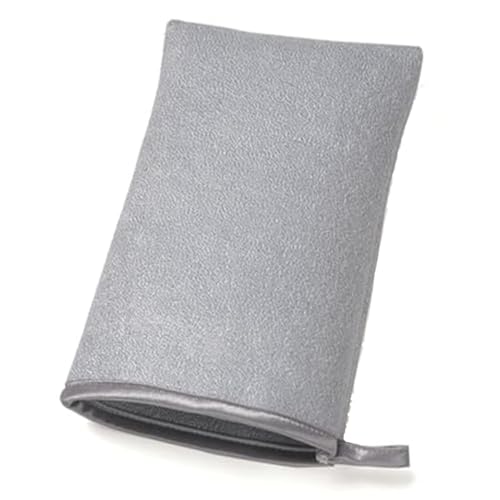 |
simplehuman Microfiber Cleaning Mitt for Stainless Steel 6″ x 9-3/4″ |
Before You Start
Prepare a clean, shaded work area to avoid rapid drying that can leave streaks. Test cleaners on a small, inconspicuous area of the door to check for color fading or finish damage. Wear gloves to protect hands from cleaners and moisture. Time estimate: 20–40 minutes for most doors, longer if rust spots are present. Critical cautions include avoiding abrasive pads, acidic cleaners on painted surfaces, and harsh solvents that can strip finishes.
Step-By-Step: How To Clean A Metal Front Door
- Remove loose debris with a soft brush or dry microfiber mitt, focusing on the door frame and hardware gaps.
- Prepare a mild cleaning solution by diluting a small amount of exterior metal door cleaner spray with water, or use a dedicated non-abrasive metal cleaner.
- Wipe the door surface with a soft microfiber cloth or microfiber cleaning mitt, working in smooth, overlapping strokes from top to bottom.
- For painted metal doors, avoid scrubbing with rough pads; use the soft cloth to lift dirt without removing paint. Rewash the cloth frequently to prevent re-depositing grime.
- Address stubborn spots with a little more cleaner and gentle pressure. If rust appears, apply a rust remover for metal doors exterior only to the affected area, following label directions.
- Rinse the surface with a clean, damp cloth to remove cleaner residues. If a spray cleaner was used, wipe with a spray dampened cloth to ensure no residue remains.
- Dry thoroughly with a clean microfiber cloth to prevent water spots and streaks. Pay special attention to edges and grooves around hardware.
- If the door has a protective finish or sealant, reapply as directed by the product’s instructions to maintain durability and shine.
- Reinspect for missed spots, then perform a final wipe to leave a uniform finish across the door’s surface.
- Periodically repeat this process every few months, or after heavy weather events to maintain appearance and protection.
- For stainless or steel doors with fingerprints, a quick wipe with a dedicated exterior metal door cleaner spray can restore brightness without residue.
Troubleshooting
| Symptom | Likely Cause | Fix | Prevention |
|---|---|---|---|
| Nasty streaks after cleaning | Drying too quickly or uneven wiping | Wipe with a damp microfiber cloth, then dry with a fresh cloth | Wipe in consistent motions; avoid direct sun |
| Rust spots persist on painted door | Rust remover not used or applied incorrectly | Apply rust remover for metal doors exterior exactly as directed, then repaint if needed | Address rust early; store away moisture-prone items |
| Finish dulled after cleaning | Abrasive cleaners or pads used | Switch to non-abrasive cleaners and soft cloths | Always use non-abrasive tools on painted metal |
| Water spots remain | Improper drying or hard water | Dry thoroughly with microfiber; consider a final wipe with distilled water if minerals are present | Rinse with clean water and dry promptly |
Common Mistakes
- Using rough scrubbers or steel wool on painted metal finishes, which can scratch and dull the surface.
- Applying cleaners directly to satin or glossy finishes without testing first.
- Skipping the drying step, leading to water spots or mineral deposits.
- Overlooking crevices around hardware where dirt can accumulate and cause staining.
Tips For Best Results
- Work in a shaded area to prevent fast drying and streaks.
- Use separate cloths for dirty and clean sections to avoid cross-contamination.
- Choose a cleaner compatible with your door’s finish (painted vs. bare metal or steel).
- Spray cleaners lightly and wipe in straight, vertical or horizontal strokes to reduce streaks.
- Consider applying a protective sealant or wax designed for exterior metal doors to extend cleanliness between cleanings.
Call A Professional
Seek professional help if the door shows extensive rust that penetrates the substrate, significant corrosion on metal hardware, or if cleaning could compromise a specialized finish (e.g., powder-coated surfaces). Stop and contact a pro if the door surfaces become pitted, warped, or if paint peeling is extensive.
FAQ
Can I use household vinegar to clean a metal front door?
Vinegar can be used sparingly on some metal surfaces, but test first on a hidden area to ensure it does not discolor or dull the finish.
Is it safe to use a pressure washer on a metal front door?
Pressure washers can damage finishes, seals, and trim. It is best to avoid direct high-pressure spraying on doors and use gentle cleaning methods.
How often should I clean a metal front door?
Light cleaning every 1–2 months and deeper cleaning every 3–6 months is a typical schedule, adjusted for weather exposure and proximity to pollution or salt air.
What if I notice persistent rust after cleaning?
Persistent rust may require a rust remover for metal doors exterior and possibly refinishing or repainting by a professional to restore protection.
Are there eco-friendly cleaners suitable for metal doors?
Yes, look for biodegradable, non-abrasive metal cleaners labeled for exterior use and compatible with painted or bare metal finishes.
Buying Guide
When choosing products for cleaning a metal front door, consider size and accessibility of the door, the type of finish, and the local climate. Key factors include:
- Door type and finish: Distinguish between painted metal and bare or brushed steel to select compatible cleaners.
- Cleaning intensity: For light dirt, a mild cleaner with a microfiber mitt may suffice; for rust, a rust remover designed for exterior metal doors is appropriate.
- Tools and ease of use: Lightweight, washable microfiber cloths and mitts simplify maintenance and reduce the risk of scratching.
- Safety and compatibility: Check for label guidance on finishes, ensure cleaners are non-abrasive, and test on a hidden area first.
- Environmental impact: Opt for biodegradable, non-toxic cleaners when possible and follow disposal guidelines.
- Placement and weather considerations: If the door is near saltwater, humid environments, or industrial pollutants, more frequent cleaning and protective sealants may be recommended.
For many homeowners, starting with basic microfiber tools and a non-abrasive cleaner provides solid results. If rust is present, plan for a targeted rust remover and possibly repainting or resealing sections to extend the life of the door. Always keep a routine and adapt the approach to local conditions and door finish.