Dealing with pet odors on concrete can be challenging because urine penetrates porous surfaces and leaves behind lingering scents that attract repeated marking. This guide provides practical, step-by-step methods using common products to neutralize odor and restore a fresh environment for homes with dogs.
Quick Answer
Act quickly by blotting fresh urine, using an enzymatic cleaner designed for pet urine, and following with a deodorizing treatment. For stubborn odors, combine a hydrogen peroxide cleaner with proper ventilation and repeat as needed. In severe cases, a concrete odor epoxy coating kit can seal in odors and provide a fresh surface.
What You’ll Need
- Enzyme pet urine cleaner for concrete floors
- Concrete odor remover for pet urine
- Hydrogen peroxide cleaner for pet urine on concrete
- Concrete repair and odor epoxy coating kit
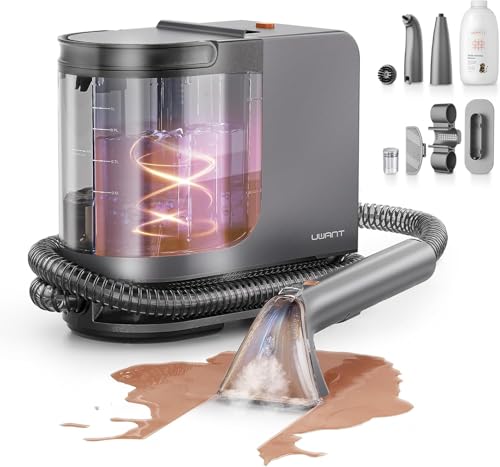
- Portable steam cleaner for pet urine on concrete


Before You Start
Prepare the area by removing furniture and vacuuming loose debris. Wear gloves and eye protection when handling cleaners. Test cleaners on a small, inconspicuous area of concrete to check for colorfastness or surface damage. Ensure the space is well-ventilated, especially when using hydrogen peroxide or epoxy coatings. Expect several hours for cleaning sessions, plus time for any epoxy cure if used.
Caution: Do not mix cleaners unless specifically instructed by product labels. Some combinations can release harmful fumes or compromise the concrete.
Step-By-Step: How To Remove Dog Urine Smell From Concrete Surfaces
- Blot up as much urine as possible with paper towels or a clean cloth. Press firmly to lift moisture from the surface.
- Apply an enzymatic pet urine cleaner to the affected area. The enzymes digest uric acid and bacteria that cause odor. Follow the product’s dwell time and blot again to remove excess liquid.
- Rinse with clean water and blot dry. Use a portable steam cleaner to help lift residual residues from porous concrete if available, making sure the steam is not used on sensitive finishes.
- Apply a concrete odor remover for pet urine, focusing on still-odorous zones. Allow it to sit as directed to neutralize odors at the source.
- For tough odors, carefully apply a hydrogen peroxide cleaner on the treated area. Use a low concentration as recommended by the label and avoid mixing with ammonia-based cleaners.
- If odors persist after cleaning, consider applying a concrete repair and odor epoxy coating kit. This creates a barrier that blocks urine penetration and seals in odors.
- Allow coatings or sealants to cure fully per manufacturer instructions. Reapply if odor recurs after several weeks or months, especially in high-traffic areas.
- Rehab the space with a light finish or sealant to minimize future absorption. Regular maintenance with enzymatic cleaners can prevent buildup.
- Test areas periodically by cleaning a small spot and checking for any odor resurgence. Prompt addressing of new spills helps maintain long-term freshness.
- Adopt preventive steps such as training routines, accessible outdoor elimination options, and quick cleanup after accidents to minimize odor accumulation over time.
Troubleshooting
| Symptom | Likely Cause | Fix | Prevention |
|---|---|---|---|
| Odor remains after cleaning | Deep penetration in porous concrete | Use a concrete odor remover and consider epoxy coating | Seal concrete after cleaning |
| Yellow or brown stains | Reaction with cleaning agents or urine minerals | Test spot with hydrogen peroxide and follow with enzymatic cleaner | Clean promptly, use sealant |
| Strong fumes from cleaners | Ventilation insufficiency or improper mixing | Increase airflow, never mix cleaners unless instructed | Open doors/windows and use fans |
| Surface tackiness after epoxy | Incomplete curing or moisture trapped | Allow full cure time, ensure dry surface before application | Limit humidity during curing |
Common Mistakes
- Ignoring the source of odor and just masking it with fragrance.
- Using ammonia-based cleaners, which can attract pets back to the same spot.
- Over-wetting concrete, which can spread urine deeper into the pores.
- Skipping a test patch before applying coatings or sealants.
Tips For Best Results
- Act quickly after spills to prevent urine from soaking deeply.
- Always follow dwell times and usage directions on cleaning products.
- Consider an enzymatic cleaner as a first line of defense against organic odors.
- Use a portable steam cleaner to assist with stubborn residues, but avoid heat on delicate finishes.
- Seal or coat concrete in high-traffic areas to reduce future odor absorption.
Call A Professional
Seek professional help if: odors persist after multiple cleaning attempts, there is extensive urine penetration into structural concrete, or you plan to install an epoxy coating and want guaranteed adhesion. Signs that require pro assistance include persistent urine staining, cracks in the concrete that trap odors, or safety concerns when handling chemical cleaners.
FAQ
What makes dog urine odor linger on concrete?
Porous concrete absorbs urine minerals, bacteria, and uric acid, which release smells over time.
Can I mix cleaning products to speed up odor removal?
No. Mixing cleaners can produce dangerous fumes or reduce effectiveness.
Is an epoxy coating a permanent solution for odor?
Epoxy coatings help seal in odors and stains but require proper surface preparation and cure time.
How often should I seal concrete after cleaning?
High-traffic areas may benefit from annual sealing; otherwise, reapply as odors reappear.
Are enzyme cleaners safe for pets and children?
Most enzyme cleaners are formulated to be safe when used as directed; always ventilate and store products away from animals and kids.
Should I hire a professional for a large concrete area?
Yes, for large areas, old odors, or moisture-related issues, professionals can assess ventilation, moisture barriers, and coating options.
Buying Guide
When choosing products for eliminating dog urine smell on concrete, several factors matter. Size and area coverage determine how many bottles or gallons are needed. Noise level and energy efficiency matter for units like portable steam cleaners. The right odor-removing chemistry, such as enzyme cleaners or hydrogen peroxide-based formulas, should align with the concrete’s condition. Controls and ease of use influence daily maintenance. Placement considerations include indoor versus outdoor use and proximity to living spaces.
Consider a layered approach: start with enzymatic cleaners for ongoing prevention, then apply a deodorizing treatment if needed, and reserve epoxy coatings for areas with persistent odor or moisture issues. For best long-term results, pair cleaning routines with regular sealing to minimize future absorption. If odors reappear after cleaning, re-evaluate ventilation, moisture sources, and potential need for professional assessment.