Butcher block surfaces require regular cleaning and conditioning to stay sanitary and free from drying, cracking, or warping. This guide provides practical, step-by-step methods using common, food-safe products suitable for American kitchens. By following these steps, users can extend the life and appearance of their wooden cutting boards and countertops.
Quick Answer
Fast method: Wipe with a damp cloth, wash with a mild, food-safe cleaner, dry thoroughly, then apply a thin coat of food-grade mineral oil or a beeswax–mineral oil conditioner. Allow to absorb, wipe off excess, and buff with a soft cloth.
What You’ll Need
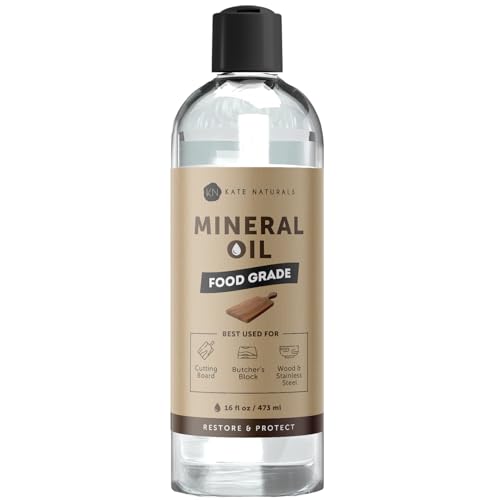
- Food-grade mineral oil for butcher block cutting boards 16oz
- Butcher block conditioner with beeswax and mineral oil 12oz
- Cutting board cleaner spray food-safe for wooden butcher block
- Non-scratch silicone cleaning brush for wooden cutting boards
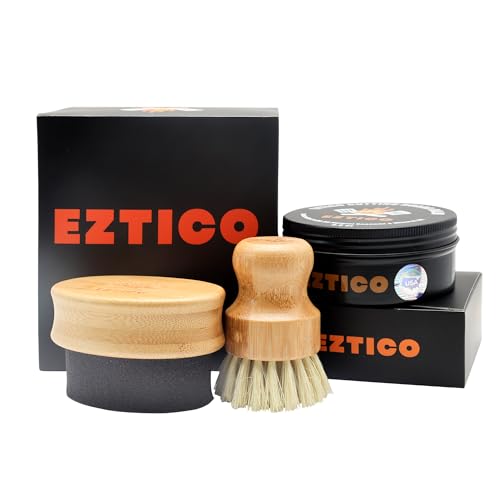
- Wood cutting board oil and wax conditioner kit

Before You Start
Protective, food-safe practices should guide all cleaning and conditioning work. Before beginning, remove all items from the surface and wipe it down with a clean, damp cloth. Let the board dry completely in a well-ventilated area. Important cautions: never submerge a wooden board in water for long periods, and avoid harsh chemical cleaners that could leave residues. Plan for about 15 to 30 minutes for the initial cleaning and drying, plus additional time for conditioning.
Step-By-Step: How To Clean And Maintain A Butcher Block
- Clear the surface of all utensils and debris, then wipe with a damp cloth to remove loose particles.
- Apply a light spritz of cutting board cleaner spray or a mild soap solution to the surface.
- Use a non-scratch silicone cleaning brush to scrub along the grain, paying attention to any grooves or knicks.
- Rinse the surface with clean water or wipe with a damp cloth to remove soap residue, then dry immediately with a towel.
- Let the board air-dry completely before applying oil or conditioner.
- Pour a small amount of food-grade mineral oil onto a clean cloth or paper towel and spread a thin, even layer across the entire surface.
- Allow the oil to absorb for 15–20 minutes, then wipe off any excess with a dry cloth to prevent a sticky surface.
- Condition the board periodically with a beeswax–mineral oil product to seal and protect the wood.
- For deeper conditioning, use a wood cutting board oil and wax conditioner kit, following package directions for the recommended frequency.
- Store the board standing on edge or laid flat in a dry area to promote complete drying between uses.
- Regular maintenance—monthly or after heavy use—helps prevent cracks and staining.
Troubleshooting
| Symptom | Likely Cause | Fix | Prevention |
|---|---|---|---|
| Dry, crackled wood | Insufficient conditioning | Apply mineral oil and beeswax conditioner, repeat monthly | Develop a routine maintenance schedule |
| Sticky residue after oiling | Excess oil not wiped away | Wipe with a clean cloth until no residue remains | Use thin coats and allow full absorption |
| Stains after use | Food acids or moisture absorbed | Clean promptly with mild cleaner; recondition | Wipe spills quickly and dry completely |
| Unpleasant odor | Food particles trapped in grooves | Thorough cleaning; consider deeper conditioning | Regular cleaning after use |
Common Mistakes
- Using excessive water or soaking the board, which can lead to warping.
- Rubbing oil into the surface and leaving a sticky film instead of wiping clean.
- Choosing low-quality or non-food-safe products that leave residues.
- Skipping conditioning after heavy use, causing dry, cracked wood.
Tips For Best Results
- Test any cleaner or conditioner on a small, inconspicuous area first.
- Choose mineral oil labeled as food-grade and specifically formulated for butcher blocks.
- Use a soft cloth and work with the grain to evenly distribute products.
- For deeper cleansing, a dedicated cutting board cleaner spray can be gentler on finishes than dish soaps.
Call A Professional
Seek professional help if the board shows deep cracks, severe warping, or persistent odors that do not respond to standard cleaning and conditioning. Structural issues or extensive repairs may require a skilled cabinetmaker or woodworker.
FAQ
What is the best daily cleaning method for a butcher block?
Wipe with a damp cloth, use a mild, food-safe cleaner, rinse, dry, and condition periodically with mineral oil or a conditioner kit.
Can I use olive oil on a butcher block?
Olive oil is not recommended for long-term use because it can become rancid; use food-grade mineral oil or a dedicated conditioner.
How often should I oil a butcher block?
Depends on usage and environment, but a general guideline is monthly or after heavy use.
Is it safe to use a soap-based cleaner on a wooden cutting board?
Yes, if it is mild and followed by a thorough rinse and complete drying; avoid harsh chemicals.
What should I do if my board develops white spots?
White spots often indicate mineral deposits; clean, dry, and recondition the surface to restore luster.
Can I put my butcher block in the dishwasher?
No. Wooden boards are typically not dishwasher-safe and can warp or crack from prolonged water exposure.
How can I remove stains from my butcher block?
Gently scrub with a mild cleaner, rinse, dry, and recondition; for stubborn stains, light sanding followed by conditioning may be needed.
Buying Guide
When choosing products to clean and care for a butcher block, consider factors such as size, frequency of use, noise level of any sprayers or brushes, and overall maintenance goals. Important buying factors include:
- Size and capacity — Match the oil or conditioner quantity to the board size and expected usage.
- Wood-safe ingredients — Prioritize food-grade mineral oil and beeswax-based conditioners to protect surfaces touched by food.
- Ease of application — Tools like a non-scratch silicone cleaning brush can simplify scrubbing without scratching the surface.
- Drying and absorption — Look for products that absorb evenly and leave minimal residue.
- Multi-purpose kits — A combined oil and wax conditioner kit can streamline maintenance.
- Brand reputation — Choose reputable brands with clear safety and usage guidelines.
- Placement and storage — Store in a dry area away from direct sunlight to slow aging of the wood.
Maintenance routines should balance cleaning efficiency with protective conditioning. For most households, combining a dedicated cutting board cleaner spray with a mineral oil or conditioner kit provides a reliable, food-safe approach that minimizes wear and preserves wood’s natural appearance.