Low-VOC luxury vinyl plank (LVP) flooring offers durability and style, but paint mishaps can mar its surface. This guide explains safe, effective steps to remove paint without damaging the floor, using vinyl-friendly tools and products.
When paint hits LVP, quick action helps prevent staining and residue buildup. The methods below focus on gentle lifting rather than harsh scrubbing, preserving the floor’s appearance and finish.
Quick Answer
Act fast, choose vinyl-safe products, and test on a hidden area first. Use a plastic putty knife or soft floor scraper to loosen paint, then apply a vinyl-safe remover gel if needed. Always finish with a clean, damp cloth to remove residue.
What You’ll Need
- Plastic putty knife for paint removal vinyl flooring
- Soft plastic floor scraper for removing paint from LVP
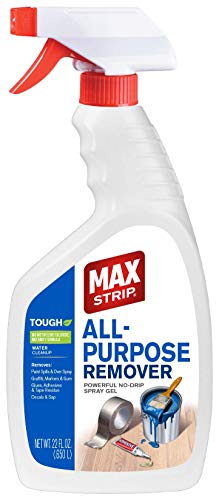
- Vinyl-safe paint remover for floors non-damaging
- Adhesive remover gel for vinyl floor paint
- Floor scraper with safety guard for vinyl floor paint removal


Before You Start
Clear the area and protect nearby surfaces. Vacuum or sweep loose debris, then wipe with a damp cloth to remove dust. Work in a well-ventilated space and wear gloves to protect skin from cleaners. Do a spot test in a inconspicuous corner to ensure no discoloration occurs. Estimate a short to moderate time commitment, typically 15–60 minutes depending on paint thickness. Do not use metal tools that can scratch the vinyl.
Step-By-Step: Removal Process
- Identify the paint type and assess adhesion. Thicker, old paint may require more effort and gentle solvent use.
- Gently pry at the edge with a plastic putty knife to lift a small area of paint without gouging the floor.
- Slide the soft plastic floor scraper along the lifted edge to loosen the coating, keeping the blade at a shallow angle.
- Wipe the area with a damp cloth to remove loosened paint and debris before reapplying any product.
- Apply a small amount of vinyl-safe paint remover for floors non-damaging following the product’s directions, ensuring it stays on the paint and away from seams.
- Allow the remover to sit for the recommended dwell time, then gently scrape again with the plastic tool to lift the paint.
- If residue remains, apply adhesive remover gel for vinyl floor paint in a thin layer and wait briefly before wiping with a clean cloth.
- Rinse the area with clean water and wipe dry to prevent any residue from attracting dirt.
- Inspect for any remaining flecks. Repeat steps as needed, testing small areas first each time.
- Finish with a light, non-abrasive cleaner to restore the floor’s natural look and protect the surface.
- For stubborn spots, consider a second pass with the floor scraper with safety guard for vinyl floor paint removal to maintain control and safety.
Troubleshooting
| Symptom | Likely Cause | Fix | Prevention |
|---|---|---|---|
| Paint won’t budge after initial pass | Paint is thick or cured | Use vinyl-safe remover and reapply with dwell time per label | Test a small area first; avoid aggressive sanding |
| Discoloration or dull finish | Overexposure to remover | Rinse thoroughly and condition with a vinyl-safe polish | Always follow product instructions and test area |
| Scratches appear | Blade angle too steep | Reset angle, switch to a newer blade | Use plastic tools only |
| Residue left after cleaning | Inadequate rinsing | Rinse with clean water and dry completely | Wipe in small sections for thorough removal |
Common Mistakes
- Using metal scrapers or abrasive pads that scratch LVP.
- Applying removers directly onto seams or edges without protection.
- Over-wetting the floor, which can seep into seams and underlayment.
- Ignoring a spot test, leading to unexpected color changes.
Tips For Best Results
- Always test removers on a hidden area before full application.
- Work in small sections to monitor impact and prevent overuse of chemicals.
- Keep tools perpendicular to the floor to minimize gouging.
- Store cleaners away from children and pets, and ensure good ventilation.
- If paint is fresh, blot excess before starting to avoid spreading.
Call A Professional
Seek professional help if the paint covers a large area, has reached a deeply textured pattern, or if multiple removals fail to restore uniform color. Signs that indicate a pro are: persistent staining after repeated attempts, suspected underlayment damage, or a noticeably dull finish after cleaning. A licensed floor technician can evaluate potential refinishing needs or confirm whether replacement is necessary.
FAQ
Is it safe to use solvent-based removers on LVP?
Only if the product is labeled as vinyl-safe and suitable for floors; always follow the manufacturer’s instructions and perform a spot test first.
Can I use a metal scraper on LVP?
No. Metal tools can scratch or gouge vinyl; stick to plastic putty knives and soft scrapers.
How long should I let remover sit?
Follow the product label; typical dwell times range from a few minutes to several minutes for stubborn spots.
What if the paint returns after cleaning?
Repeat the cleaning process in smaller areas and consider a second application of vinyl-safe remover, ensuring proper rinsing between passes.
Buying Guide
When selecting tools and products to remove paint from LVP, consider size, compatibility, and safety. A plastic putty knife for paint removal vinyl flooring is gentle yet effective for lifting, while a soft plastic floor scraper for removing paint from LVP provides broader coverage with minimal risk. Choose a vinyl-safe paint remover for floors non-damaging that is specifically labeled safe for vinyl to protect finishes and edges. An optional floor scraper with safety guard for vinyl floor paint removal helps maintain control and prevent accidents. For tough spots, an adhesive remover gel for vinyl floor paint can simplify residue removal without harming the surface.
Key buying factors include size and cover area, noise level during use, energy efficiency of powered cleaners if any, user controls for gradual application, and placement within a cleaning kit for easy access. Consider whether you need an all-in-one remover or a combination of tools to tackle different paint types. For best results, prioritize vinyl-safe options and ergonomic handles to reduce fatigue during extended use. If replacing flooring is a consideration, evaluate damage caused by paint removal and plan accordingly.