Drain gnats can be a nuisance in kitchens and bathrooms, especially when organic matter feeds their larvae in moist pipes. While chemical solutions exist, many homeowners prefer natural methods that reduce odors and avoid harsh fumes. This guide outlines practical, step-by-step ways to minimize drain gnats and keep drains clean using simple tools and tactics.
Quick Answer
Eliminate the source by removing standing water and organic buildup, then use a combination of physical cleaning and natural remedies. A handheld plumbing snake and a brush kit help remove gunk, while plunging and flushing with hot water or baking soda and vinegar disrupts breeding sites. Regular maintenance prevents recurrence.
What You’ll Need
- Manual drain auger snake 3/8 inch 6 ft
- Handheld plumbing snake for clogged sink 1/4 inch
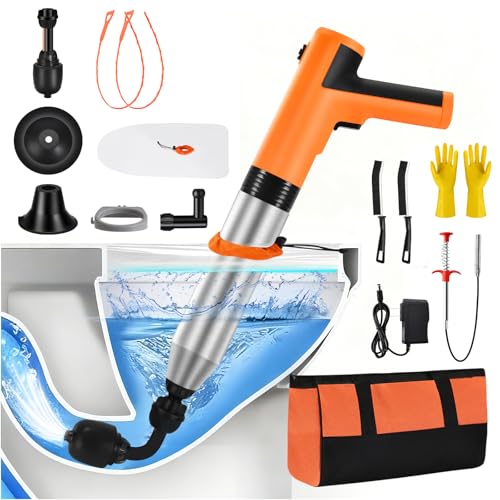
- Sink drain cleaning tool kit with plunger and auger
- Plunger with flange for bathroom sink
- Drain trap cleaning brush tool kit


Before You Start
Assess the situation: gnats thrive where moisture meets organic residue. Clear surfaces and remove standing water, if possible. Protect your eyes and hands during cleaning, and avoid mixing multiple chemical cleaners. Estimate about 30–60 minutes for a thorough initial treatment, with follow-up sessions over the next several days to a week.
Safety note: Never mix vinegar with bleach, and avoid flushing large quantities of baking soda/acid solutions at once if a septic system is in place. If you notice persistent foul odors, damaged pipes, or wastewater backup, pause DIY steps and seek professional help.
Step-By-Step: How To Get Rid Of Drain Gnats Naturally
- Clear the area around the sink and remove standing water from the drain opening to reduce attractants.
- Use a plunger with flange to create a strong seal and dislodge clogs just below the trap, which can harbor gnats.
- Insert a handheld plumbing snake for clogged sink 1/4 inch into the drain and rotate to break up organic buildup.
- Follow with a longer manual drain auger snake 3/8 inch 6 ft to reach deeper gunk in pipes. Retrieve any debris and clean the auger between uses.
- Scrub the drain trap cleaning brush tool kit brushes around the P-trap to remove slime, hair, and residue that fuel gnats.
- Flush with hot water, then pour a natural cleaner mixture: two tablespoons baking soda followed by one cup hot white vinegar. Cover for several minutes to limit fizz, then rinse with hot water.
- Repeat the baking soda–vinegar flush weekly to disrupt larvae habitats and reduce new populations.
- For ongoing prevention, run hot water down the drain for 15–30 seconds after each use and keep sinks dry whenever possible.
- Introduce a simple yeast-based trap if gnats persist: mix a small amount of sugar with warm water and a pinch of yeast in a container with a funnel acting as an attractant, placing it away from food areas.
- Inspect and clean the sink drain cleaning tool kit with plunger and auger regularly to maintain effectiveness and avoid reintroduction of organic debris.
- Monitor the drain weekly and repeat the above steps as needed until gnats are no longer present.
Troubleshooting
| Symptom | Likely Cause | Fix | Prevention |
|---|---|---|---|
| Gnats return after cleaning | New larvae in unseen buildup | Re-clean traps and run baking soda–vinegar flush | Seal leaks; keep sinks dry |
| Slow drain | Heavy buildup in pipes | Use drainage augers to break crusts | Use drain traps and avoid pouring grease down drains |
| Unpleasant odor | Organic decay in the trap | Clean trap and rinse with hot water | Regular maintenance schedule |
| Water backup | Clogged P-trap or sewer line | Disassemble trap; remove blockage | Professional inspection if recurring |
Common Mistakes
- Relying solely on chemical sprays; gnats breed in organic matter, not just the surface smell
- Ignoring the P-trap and under-sink areas where debris accumulates
- Pouring large quantities of hot water or cleaners without checking plumbing compatibility
- Infrequent maintenance after initial cleaning, allowing buildup to resume
Tips For Best Results
- Combine mechanical cleaning with natural flushing for comprehensive results
- Keep drains dry when possible, especially after washing dishes or hands
- Schedule a weekly 15–20 minute maintenance routine to prevent recurrence
- Label and store your drain tools to avoid cross-contamination with kitchen items
Call A Professional
Consider contacting a plumber if:
- Gnats persist after two full treatment cycles
- There is standing water, persistent odors, or frequent backups
- Visible mold, leaks, or damaged pipes are detected under or around the sink
FAQ
What natural products help drain gnats?
Boiling water, baking soda, and white vinegar are common natural options. They help disrupt larvae habitats when used in combination with physical cleaning.
How often should I treat my drains to prevent gnats?
Weekly maintenance is recommended initially, then monthly once gnats are eliminated.
Can I use a chemical cleaner after using the tools?
Yes, but avoid mixing cleaners with vinegar or baking soda and follow label directions for safety.
Is a P-trap inspection necessary?
Yes; the P-trap collects debris and can harbor gnats, so cleaning it is essential.
Will baking soda and vinegar harm septic systems?
Used in moderate amounts, they are generally safe for septic systems; avoid excessive quantities.
Do drain traps need to be replaced if damaged?
Damaged traps should be replaced to prevent leaks and further infestation.
Buying Guide
When selecting tools to handle drain gnats and basic drain cleaning, consider size, material quality, and compatibility with your plumbing. For most households, a compact kit that includes a handheld plumbing snake for clogged sink 1/4 inch and a larger manual drain auger snake 3/8 inch 6 ft covers common clogs. Look for corrosion-resistant metal, comfortable handles, and flexible cables that reach tight bends. Noise and ease of use matter in small apartments, so opt for quieter models with simple operation.
Other factors include ease of storage, compatibility with bathroom and kitchen drains, and the ability to supplement with a drain trap cleaning brush tool kit for trap-level scrubbing. While searching, consider a sink drain cleaning tool kit with plunger and auger for a complete, all-in-one approach. Finally, assess whether a standard plunger with flange for bathroom sink is included or sold separately, as it can simplify initial drain clears.
Consider placement: keep tools under the sink in a dry cabinet to avoid moisture, and store shorter tools near the bathroom for quick response. For households with septic systems, verify that cleaning methods won’t disrupt the system balance. Lastly, review product bundles to ensure you have a full set for regular maintenance without repeating purchases.