Vinyl fences are prized for their low maintenance and long life, but they still need periodic cleaning to keep them looking bright and new. This guide provides practical, step-by-step methods using common tools and a vinyl fence cleaner concentrate to remove dirt, mold, and mildew from surfaces without damaging the material.
Following a simple routine can prevent buildup and extend the fence’s curb appeal. The instructions below are tailored for typical American homes and local climates, ensuring safe use of cleaning products and equipment.
Quick Answer
Fast method: Use a vinyl fence cleaner concentrate mixed with water, a pressure washer for stubborn stains on a low setting, and a soft bristle vinyl fence cleaning brush or microfiber mitt. Rinse thoroughly and dry with a clean towel or allow to air dry.
What You’ll Need
- vinyl fence cleaner concentrate
- pressure washer for vinyl fence
- soft bristle vinyl fence cleaning brush
- vinyl fence washing kit
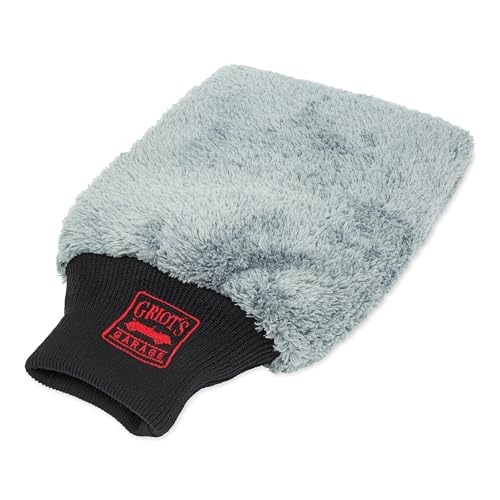
- microfiber siding cleaning mitt for vinyl fence


Before You Start
Work on a calm day, avoiding direct sun that can dry cleaner solutions unevenly. Protect nearby plants and grass with a water rinse or plastic sheeting. Test a small, inconspicuous area first to ensure no color change occurs. Plan for a cleaning window of 1–2 hours, depending on fence length and level of grime. Wear eye protection and gloves to prevent contact with cleaning agents.
Step-By-Step: How To Clean Vinyl Fence
- Remove loose debris by brushing along the fence with a dry brush or microfiber mitt to avoid scratching.
- Mix the vinyl fence cleaner concentrate with water according to product instructions in a bucket or the washing kit.
- Apply the cleaner using a soft bristle vinyl fence cleaning brush or microfiber mitt, starting at the top and working downward in small sections.
- Allow a brief dwell time on tougher spots, such as mold or mildew, but do not let the solution dry on the surface.
- Gently scrub in straight or circular motions to lift dirt without abrading the vinyl.
- Rinse thoroughly with a low-pressure stream from a pressure washer set on a gentle level or with a garden hose nozzle, ensuring all soap residue is removed.
- Inspect for missed areas; repeat cleaning on stubborn patches if needed.
- Dry the surface with a clean towel or let air dry; avoid puddling water at the base to prevent staining.
- Store cleaning tools and concentrate as directed, keeping them out of reach of children and pets.
- For routine maintenance, schedule seasonal cleanings to prevent heavy buildup and ensure longevity of the vinyl surface.
- If using a pressure washer: keep the nozzle at a safe distance and never point at seams or fittings to avoid damage.
Troubleshooting
| Symptom | Likely Cause | Fix | Prevention |
|---|---|---|---|
| Streaks after cleaning | Soap residue or uneven rinsing | Rinse more thoroughly; switch to a wider spray pattern | Rinse completely after each section |
| Stains that reappear | Mildew or algae in porous seams | Repeat treatment with a mold/mildew-specific cleaner | Keep surfaces dry between cleanings |
| Scratches when scrubbing | Rough brush or abrasive motion | Use a softer brush or mitt and light pressure | Avoid scratching; test in a small area first |
| Discoloration after cleaning | Harsh cleaners or prolonged dwell time | Rinse and re-clean with a milder solution | Follow product instructions closely |
Common Mistakes
- Using high-pressure settings on vinyl panels, which can cause damage
- Skipping a test patch before widespread cleaning
- Cleaning in direct sun, leading to rapid drying and streaks
- Using abrasive brushes that scratch the vinyl surface
Tips For Best Results
- Schedule cleaning during cooler parts of the day to avoid rapid drying and streaks
- Pre-wet nearby plants and lay tarp or plastic to protect vegetation
- Keep a dedicated container for vinyl fence cleaner concentrate to prevent cross-contamination
- For large fences, work in 4–6 foot sections to maintain control and consistency
- Rinse from top to bottom to prevent re-soiling from runoff
Call A Professional
Consider hiring a pro if the fence shows substantial mold, heavy staining, or if the fence is old and has structural issues. Stop for immediate signs like deep cracking, warping, or loose panels. A professional can assess surface integrity and ensure proper cleaning without compromising the vinyl.
FAQ
Can I use a household cleaner on vinyl fences?
Yes, but choose cleaners labeled safe for vinyl and follow the manufacturer’s instructions to avoid damage.
Will pressure washing damage vinyl fencing?
Low-pressure, careful use is generally safe; avoid high pressure near seams and corners.
How often should I clean a vinyl fence?
Clean annually or biannually, with extra cleanings if there is noticeable mildew or heavy dirt buildup.
What about preserving color after cleaning?
Use gentle cleaners and avoid bleach-based products that can fading or degrade the surface.
Buying Guide
When selecting cleaning products and tools for vinyl fencing, consider several factors to match your needs and climate:
- Size and length of fence influence the amount of cleaner you need and whether a washing kit is preferable.
- Noise level matters if you’re in a shared or residential area; electric pressure washers vary in sound, so check decibel ratings.
- Energy efficiency is less about the fence and more about choosing efficient cleaners and devices that minimize water use and time spent cleaning.
- Controls Easy-to-use spray patterns and adjustable pressure help protect the vinyl while cleaning.
- Placement Consider where the fence is located (shade, sun exposure, near plants) and plan cleaning times to minimize staining and damage.
For most homes, a dedicated vinyl fence washing kit with a microfiber mitt and a vinyl fence cleaner concentrate provides a balanced combination of convenience and performance. When comparing options, look for complete kits that include a soft-bristle brush, a compatible cleaner, and a safe nozzle for a gentle rinse. Does the kit align with your fence size and environmental conditions? A well-chosen kit often reduces cleanup time and protects the fence’s appearance for years to come.