Food coloring stains on hands can be stubborn, especially after decorating cookies, cupcakes, or crafts. This guide walks American readers through practical, safe steps to lift dye fast using common household tools and targeted cleaners. The approach emphasizes gentle scrubbing, effective stain removal, and prevention for future coloring sessions.
Quick Answer
Best immediate action: rinse with warm water, apply a stain-fighting hand cleaner or pumice-containing scrub, then scrub with a stiff-bristled brush or exfoliating glove. Rinse and repeat as needed. For persistent stains, use a nail brush with stiff bristles or a dye-resistant glove to protect hands during cleanup.
What You’ll Need
- Exfoliating hand scrub gloves for stain removal
- Nail brush with stiff bristles for food coloring cleanup
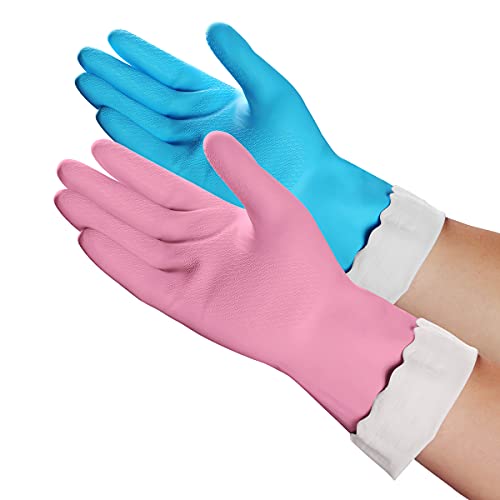
- Kitchen dishwashing gloves with dye-resistant lining
- Hand cleaning scrub brush with pumice stone for stains
- Stain removing hand cleaner soap bar with pumice


Before You Start
Prepare a well-lit workspace and remove any jewelry to prevent catching dye on metal or stones. Work over a sink or basin to minimize mess. Test any cleaner on a small skin patch first to check for irritation. Time estimates vary by stain intensity: light stains may lift in 5–10 minutes, deeper stains may require multiple passes.
Step-By-Step: How To Remove Food Coloring From Hands
- Rinse under warm water to loosen surface dye and remove excess pigment from skin.
- Apply a stain-fighting cleanser such as a hand cleaner soap bar with pumice or a dedicated dye-removal product. Lather well around fingertips, knuckles, and under nails.
- Scrub with a textured tool using an exfoliating hand scrub glove or a hand cleaning scrub brush with a pumice stone. Use circular motions to lift dye from the skin’s surface.
- Target nail grooves with a nail brush with stiff bristles to dislodge dye trapped under nails and in ridges.
- Rinse and repeat as needed. If stains persist, reapply cleanser and scrub for another minute before rinsing.
- Dry completely and moisturize after removal, applying a hand cream to restore moisture and reduce skin irritation.
- Consider barrier protection during future coloring sessions by wearing kitchen dishwashing gloves with dye-resistant lining when handling strong dyes.
- For stubborn dyes, use a second method: a hand cleaner soap bar with pumice followed by a gentle scrub with a pumice-containing brush, then rinse again thoroughly.
Troubleshooting
| Symptom | Likely Cause | Fix | Prevention |
|---|---|---|---|
| Stains remain after first wash | Dye penetrated into small skin crevices | Repeat cleaning steps, especially under nails; use a stiff-bristled brush | Wear protective gloves during dye handling |
| Roughness or irritation after scrubbing | Excessive scrubbing or sensitive skin | Switch to gentler tools and apply moisturizer after cleaning | Limit scrubbing to necessary areas and use mild cleansers |
| Color transfers to towels | Residual dye on skin released during rinsing | Better initial rinse and thorough drying before cleanup ends | Use a damp rag to wipe excess dye during steps |
| Allergic reaction after use | Sensitivity to cleanser or pumice | Stop use, rinse with water, and consult a clinician if irritation continues | Patch-test new products before full use |
Common Mistakes
- Waiting too long to start cleanup after dye contact
- Over-scrubbing, which irritates skin and can spread dye further
- Using oily barriers that repel water-based dyes instead of proper rinsing
- Neglecting under-nail cleaning where dyes hide
Tips For Best Results
- Work from clean to dirty areas to prevent smearing dye onto clean skin.
- Choose tools with moderate abrasiveness; pumice-based scrubs are effective but can irritate sensitive skin.
- Keep a dedicated set of gloves for dye handling to reduce repeated staining on hands.
- Rinse with warm water before scrubbing to soften the dye and skin.
- Moisturize after each cleanup to maintain skin health and resilience against future stains.
Call A Professional
Seek professional help if dye stains persist after multiple cleanings, or if skin shows prolonged redness, swelling, or signs of chemical irritation. Prolonged exposure to strong dyes may require medical advice, and professionals can recommend medical-grade cleaners or alternative methods suitable for sensitive skin.
FAQ
Can I use dish soap to remove food coloring from my hands?
Yes, dish soap can help break down oils and pigments, especially when paired with a scrub brush or glove for better lifting action.
Is pumice safe for all skin types?
Pumice is effective but can be abrasive; test on a small area and limit use for sensitive skin to prevent irritation.
What should I do if dye stains my nails badly?
Use a stiff-bristled nail brush and a pumice-containing cleaner to lift dye from under the nail and in the nail grooves.
Are there alternatives to pumice for stain removal?
Gentle exfoliating scrubs or enzyme-based cleaners can help if pumice causes irritation, though results may vary.
Buying Guide
When choosing tools and products to remove food coloring from hands, consider size, material, and purpose. For effective stain removal, select items designed for dye-lift and skin safety. If you regularly decorate or cook with vibrant dyes, investing in durable gloves and a targeted stain remover can simplify cleanup and reduce skin irritation. Consider these factors:
- Size and fit: Gloves and brushes should fit comfortably to prevent slips and provide full coverage during scrubbing.
- Material and abrasiveness: Pumice-containing products remove dye under nails but may irritate sensitive skin; balance with softer options for routine cleaning.
- Effectiveness with dyes: Look for products labeled for dye removal or pigment stains; some cleaners are specifically formulated to target cosmetic and food dyes.
- Moisturizing properties: Post-cleanup skin care helps maintain barrier function after repeated washing.
- Protection during future usage: Consider dye-resistant gloves to reduce future staining during dye-intensive tasks.
- Ease of cleaning: Tools that rinse clean without trapping pigment save time and reduce cross-staining risk.
Is a combination approach best? In most cases yes: a barrier glove for ongoing tasks, paired with a dye-removing cleanser and an exfoliating scrub, yields reliable, repeatable results. For household use, start with a tested hand cleaner and add a pumice brush if needed.