Oil spills on concrete surfaces can leave stubborn stains and slippery surfaces. A combination of dedicated cleaners, absorbents, and proper scrubbing techniques can restore cement to its former appearance. This guide outlines a practical, step-by-step approach using common tools and products available in the American market.
Whether you’re dealing with a driveway, garage floor, or sidewalk, following tested methods helps prevent permanent staining and keeps outdoor spaces safe. The steps below emphasize safety, surface preparation, and effective cleaning to remove oil from concrete.
Quick Answer
Contain the spill, apply an oil stain remover gel or degreaser, scrub with a stiff nylon brush, rinse with a pressure washer, and repeat if necessary. Use oil spill absorbent pads to manage excess liquids and protect nearby vegetation or drainage. For stubborn spots, reapply and consider a second cleaning pass with a rotary nozzle attachment for your pressure washer.
What You’ll Need
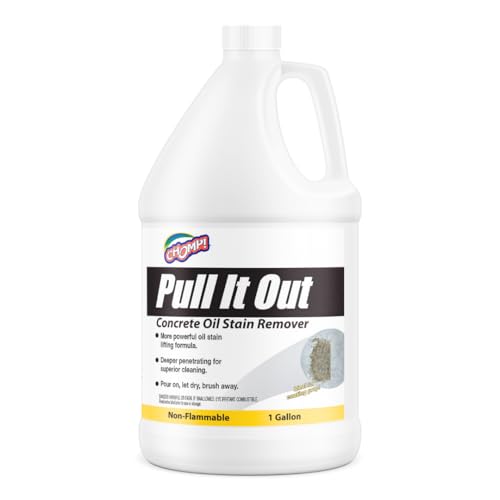
- concrete oil stain remover gel 1 gallon
- oil spill absorbent pads for concrete driveway
- concrete degreaser spray 32 oz
- pressure washer with rotary nozzle for oil on concrete
- stiff nylon scrub brush for concrete oil stains


Before You Start
Clear the work area of vehicles or foot traffic. Place absorbent pads or plastic sheeting to catch runoff. Wear protective gloves, eye protection, and and non-slip footwear. Test cleaners on a small, inconspicuous area to verify colorfastness. If drainage leads to gardening beds, cover plants to prevent chemical exposure. The typical cleaning window is 1–2 hours for initial cleanup, with possible follow-up sessions for deeply set stains. Never mix cleaners with bleach or ammonia.
Step-By-Step: How To Clean Oil Off Cement
- Contain the spill with absorbent pads and remove as much liquid as possible.
- Apply the concrete oil stain remover gel evenly over the stained area and let it sit per product instructions.
- Scrub the treated zone with a stiff nylon scrub brush to loosen the oil bonds with the concrete.
- Rinse with a garden hose or a low-pressure setting to remove loosened debris.
- If residue remains, apply the concrete degreaser spray and allow it to work for the recommended time.
- Use a pressure washer with a rotary nozzle to lift tough stains, maintaining a steady, overlapping pattern.
- Rinse thoroughly until the water runs clear and the area looks uniform.
- For stubborn spots, repeat the gel application and scrubbing cycle, then rinse again.
- Allow the surface to dry completely before resuming foot or vehicle traffic.
Troubleshooting
| Symptom | Likely Cause | Fix | Prevention |
|---|---|---|---|
| Stain persists after cleaning | Deep-set oil or porous surface | Reapply remover, scrub, and use degreaser with pressure washing | Clean spills promptly; seal concrete to reduce future staining |
| Residue or film after rinse | Detergent or cleaner residue | Rinse with clean water, use a second pass with degreaser if needed | Follow product directions exactly |
| New oil appears on area after rain | Surface not fully sealed or porous | Apply a concrete sealer after cleaning | Promptly absorb spills; sealants protect against future stains |
| Slip hazard remains | Glossy surface post-cleaning | Apply a light abrasive scrub and rinse; consider a light sealer | Dry area and use absorbents during cleanup |
Common Mistakes
- Using abrasive tools that gouge or roughen the concrete finish
- Applying cleaners in direct sunlight, which can dry out products too fast
- Waiting too long to address fresh spills, letting oil penetrate deeply
- Skipping a test patch, risking discoloration on stained concrete
Tips For Best Results
- Work from the outside edges of the stain toward the center to prevent spreading.
- For large driveways, split the work into zones to stay organized and ensure thorough cleaning.
- Maintain consistent cleaning pressure when using a pressure washer to avoid streaks.
- After cleaning, consider applying a concrete sealant to make future stains easier to remove.
- Store cleaners in a cool, ventilated area away from direct sunlight for longevity.
Call A Professional
Seek professional help if stains cover a large area (for example, more than a few square feet), if the oil has deeply penetrated porous concrete, or if the surface is cracked or deteriorating. Also contact a pro if there is frequent spillage from vehicles, or if runoff could impact nearby lawns or waterways.
FAQ
Can I use dish soap to clean oil on concrete?
Dish soap is not as effective for heavy oil stains; use purpose-made concrete degreasers or oil stain removers for best results.
Will sealing my concrete prevent future stains?
Yes, sealing creates a barrier that reduces absorption, making stains easier to remove in the future.
Is a power washer necessary?
A pressure washer with a rotary nozzle is helpful for stubborn stains, but a scrub brush and degreaser can work for lighter cases.
Should I sand or grind the concrete for deep stains?
Mechanical grinding is typically reserved for severely damaged or resurfaced areas and should be handled by a professional.
How long does it take to clean oil off a driveway?
Most smaller stains clean within a few hours, but large or deeply set stains may require multiple sessions.
Can I use household products instead of dedicated cleaners?
Household products are less reliable for oil stains; use dedicated concrete oil stain remover gels and degreasers for best outcomes.
Is it safe to wash runoff into a storm drain?
Best practice is to prevent runoff from entering storm drains and to collect or treat dirty water when possible.
Buying Guide
When choosing products to remove oil from concrete, consider stain severity, surface porosity, and the area size. Key buying factors include size, application method, and compatibility with your cleaning setup. For practical options, look for a gallon-size concrete oil stain remover gel for regular spills and a concrete degreaser spray for heavier jobs. Keep absorbent pads on hand to manage initial spills and protect adjacent surfaces. A pressure washer with a rotary nozzle can dramatically improve results on tough stains, while a stiff nylon scrub brush helps physically dislodge oil at the surface. If you expect frequent spillage, invest in a concrete sealer to minimize future staining.
Additional Considerations
Size matters: larger gallons reduce refill frequency for frequent cleanup. Noise level and energy use matter when selecting a pressure washer, especially for residential driveways and garages. Look for units with adjustable spray patterns and temperature ratings suitable for concrete cleaning. Placement should minimize runoff into gardens or storm drains. Consider the timing of outdoor cleaning to avoid heat or direct sun, and ensure you have adequate ventilation when using chemical cleaners indoors. Always follow product instructions for best results and safety.