Fruit flies can be a year-round nuisance in kitchens and dining areas. While many DIY guides rely on apple cider vinegar, this article focuses on effective alternatives that use commercially available traps and devices. The goal is to reduce the population quickly, minimize odors, and keep surfaces clean while you tackle the infestation.
Readers will find practical, step-by-step methods, product recommendations, and practical tips that work in American homes. The focus is on safe, low-odor strategies that don’t require messy liquids and avoid attracting pets or kids into dangerous situations.
Quick Answer
Choose a combination approach: use a lure-based trap, a handheld vacuum for immediate removal, and an UV light trap to attract and kill adults. Place traps near breeding zones like the sink, compost bin, and fruit basket. Empty or clean traps regularly and vacuum live flies as needed. Maintain cleanliness to prevent re-infestation.
What You’ll Need
Having the right tools on hand speeds up the process. The list below covers practical options that target fruit flies without relying on apple cider vinegar.
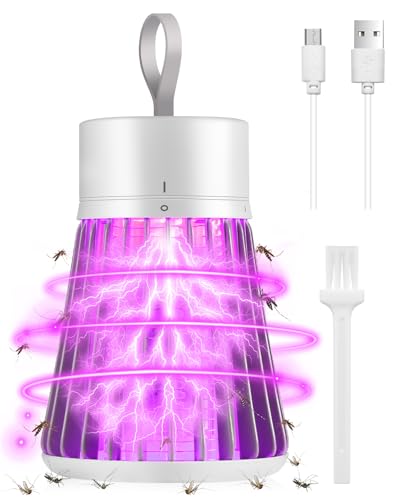
- electric fruit fly trap indoor USB powered
- sticky fruit fly trap cards for kitchen
- electric fly killer UV light trap for fruit flies
- handheld fruit fly vacuum with nozzle
- reusable fruit fly trap with removable insert


Before You Start
Before deploying traps, clear overripe fruit from counters, rinse out fruit bowls, and take out trash promptly. Safety first: keep devices away from children and pets, especially UV traps and electrical units. Plan for several days of treatment, as fruit fly cycles can span multiple generations. Expect a noticeable drop within 24–72 hours if traps are correctly placed and regularly maintained.
Step-By-Step: How To Use Traps And Devices To Eliminate Fruit Flies
- Identify where fruit flies congregate most—typically near drains, sinks, and fruit bowls. Place electric fruit fly trap indoor USB powered near these hotspots for a steady lure.
- Set up sticky fruit fly trap cards for kitchen along cabinet edges, behind fruit bowls, and near trash areas to intercept wandering adults.
- Position electric fly killer UV light trap for fruit flies at a distance from food prep zones to attract flies without concentrating near cooking areas.
- Keep a handheld fruit fly vacuum with nozzle handy for quick catches of visible flies, especially during peak activity in the evening.
- Use the reusable fruit fly trap with removable insert to capture and dispose of flies without creating extra waste. Empty and rinse inserts daily.
- Clean drains and disposal areas with hot water and mild soap; consider a drain brush to remove residue that sustains breeding midges and fruit flies.
- Replace or refresh traps every 1–2 weeks, or as soon as you notice reduced activity, to maintain pressure on the population.
- Combine trap use with routine kitchen sanitation: wipe surfaces, seal produce in the fridge, and cover compost bins promptly.
- Late-day checks are essential: inspect traps for captured flies and adjust positions if activity remains high in certain rooms.
- Seal off entry points: inspect doors, windows, and gaps that may serve as entry routes for new fruit flies, and seal as needed.
- Coordinate with food preparation schedules so that traps operate during peak activity times without interfering with daily routines.
- Document progress over a week; if flies persist, increase trap density and consider adding an additional placebo-free UV trap to broaden coverage.
Troubleshooting
| Symptom | Likely Cause | Fix | Prevention |
|---|---|---|---|
| Flies remain despite traps | Breeding sites not controlled | Improve sanitation and remove breeding sources | Regular cleanups and prompt fruit disposal |
| Traps catch few flies | Trap placement is suboptimal | Move traps closer to drains and fruit stations | Rotate trap locations every couple days |
| DIY odors or smells | Using unsuitable attractants | Switch to non-scented or commercially designed attractants | Keep area well-ventilated and clean |
| UV trap not turning on | Electrical issue or battery | Check power source, replace batteries, or switch to USB powered | Test units before use |
| Vacuum not picking up flies | Filter clogged or nozzle blocked | Clean nozzle and empty canister; ensure suction | Regular maintenance |
Common Mistakes
- Relying on a single trap type; fruit flies resist a one-tool solution.
- Neglecting drains and garbage areas where breeding occurs.
- Infrequent emptying or cleaning of traps, allowing flies to escape back.
- Placing traps away from the problem zones or in poorly lit spots.
- Using strong scents that may attract pests indoors or trigger allergies.
Tips For Best Results
Place traps at ground level near kitchen activity zones, since many fruit flies prefer low, damp areas. Keep lids on trash bins, and rinse containers before disposal. For ongoing issues, combine several tools: a handful of sticky fruit fly trap cards for kitchen, a handheld fruit fly vacuum with nozzle, and a couple of electric fruit fly trap indoor USB powered devices. Patience is key; expect cumulative reductions across 5–10 days with consistent effort.
Call A Professional
If fruit flies persist despite comprehensive trapping and sanitation for more than two weeks, consider consulting a pest control professional. Seek help if illness symptoms arise in household members or if flies appear in unusually large numbers, indicating potential hidden breeding sites or structural issues. Immediate professional intervention is advised for severe infestations in apartments or multi-unit buildings.
FAQ
Are there effective non-chemical strategies for fruit flies?
Yes. Combining traps, improved sanitation, and regular vacuuming can significantly reduce populations without pesticides.
Will these traps attract fruit flies from other rooms?
Traps are most effective when placed near breeding zones; cross-room attraction is minimized with proper placement and seal-off of entry points.
How long before I see results?
Most households notice a drop within 3–7 days, with further reductions over the following week as breeding sites are eliminated.
Can I reuse traps after cleaning?
Yes. Reusable traps with removable inserts are designed for cleaning and reuse, reducing waste and ongoing costs.
Is it safe to use UV light traps around food prep areas?
UV light traps should be positioned away from direct food contact zones to minimize exposure and maintain hygiene standards.
Buying Guide
Choosing the right tools depends on home size, infestation level, and workflow. Consider the following factors:
- Size and coverage: Larger areas may require multiple traps or higher-capacity devices to reach all breeding zones.
- Noise and odor: USB-powered traps are typically quiet and odor-free, which suits open kitchens and dining spaces.
- Energy efficiency: USB or battery-powered models consume minimal energy, which is useful for long-term use.
- Controls: Simple on/off controls or timer options help align operation with peak activity times.
- Placement flexibility: Lightweight and portable options allow rapid relocation as needs change.
- Maintenance: Reusable inserts and easy-clean designs save time and reduce waste.
- Durability and safety: Look for devices with stable bases, non-toxic materials, and child/pet-safe design.
For most homes, a combination of electric fruit fly trap indoor USB powered devices, sticky fruit fly trap cards for kitchen, and a handheld fruit fly vacuum with nozzle provides a balanced, practical approach. Evaluate room layout, food-prep behavior, and waste management practices to tailor the setup. If in doubt, start with a small, non-intrusive configuration and scale up as needed.