Brass door handles add a classic, stylish touch to any entryway, but they can tarnish or lose their luster over time. This guide provides clear, practical steps to safely clean and restore brass door hardware while protecting the finish and avoiding damage.
By following a structured approach, homeowners can remove fingerprints, grime, and oxidation without resorting to harsh chemicals. The methods below focus on gentle cleaning, polishing, and regular maintenance to keep brass door handles looking bright and inviting.
Quick Answer
Use a non-abrasive brass cleaner or a gentle household mix, apply with a microfiber cloth, rinse with clean water, and buff to a shine using a soft, dry cloth. For stubborn tarnish, a brass door knob polishing kit can help, but test on a small area first and avoid abrasive brushes that could scratch the surface.
What You’ll Need
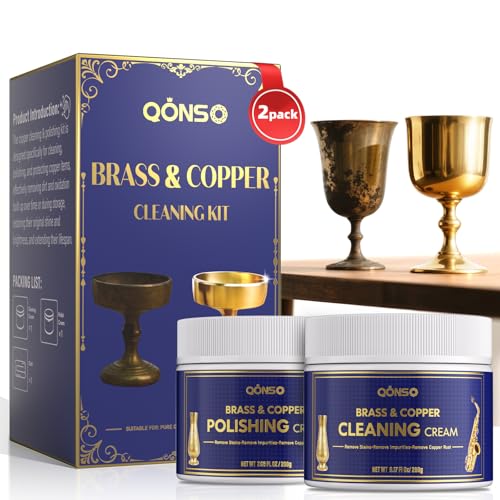
- Brass door hardware cleaner polish kit
- Brass cleaner polish for door handles
- Microfiber cleaning cloth brass door handle
- Brass door knob polishing kit with brass polish
- Non-scratch brass cleaning brush for door hardware
- Water and a mild dish soap (optional for initial cleaning)


Before You Start
Inspect the brass finish for flaking or heavy wear. If the hardware is lacquered, use products labeled for lacquered brass to avoid stripping the protective coating. Always test cleaning solutions on a hidden area first. Work in a well-ventilated area and wear gloves if you have sensitive skin. Plan for a 20–40 minute session per handle depending on tarnish level, with additional time for drying and buffing. Avoid abrasive pads and strong acids, which can scratch or dull brass surfaces.
Step-By-Step: How To Clean Brass Door Handle
- Remove the door handle or detach the component according to the manufacturer’s instructions if possible, to access all surfaces.
- Prepare a mild cleaning solution: a few drops of dish soap in warm water works well for initial grime and oils.
- Wipe the hardware with a microfiber cleaning cloth brass door handle dampened with the solution to lift dirt without scratching.
- If tarnish remains, apply a small amount of brass cleaner polish for door handles or use a brass door knob polishing kit with brass polish following the product directions.
- Gently scrub with a non-scratch brass cleaning brush for door hardware only on textured or heavily plated areas to loosen oxidation, then wipe away residue.
- Rinse all parts with clean water or wipe away cleaner with a fresh microfiber cloth to prevent streaks.
- Dry thoroughly with a clean, dry cloth to prevent water spots and corrosion.
- Polish to a shine using a soft, lint-free cloth, moving in circular motions until the brass gleams.
- Reassemble the hardware, ensuring all screws and mechanisms move smoothly without binding.
- Apply a light protective wipe with a microfiber cloth to maintain the finish and slow future tarnish.
- Regular maintenance: wipe weekly with a damp microfiber cloth and polish every few months or as tarnish appears.
Troubleshooting
| Symptom | Likely Cause | Fix | Prevention |
|---|---|---|---|
| Dull or streaky finish after cleaning | Residual cleaner or water spots | Wipe with a dry microfiber cloth; buff until shine returns | Dry thoroughly after every cleaning |
| Tarnish returns quickly | Exposure to moisture or oils; lack of protective coat | Apply a light protective wipe and repeat polishing | Use a polishing kit designed for brass and reapply protective coating as needed |
| Scratches on the surface | Use of abrasive tools or harsh chemicals | Switch to non-scratch brushes and brass-safe polishes | Avoid abrasive pads; test cleaners first |
| Finish flaking after cleaning | Over-cleaning or aggressive chemicals | Cease aggressive cleaning; consult manufacturer if lacquer is damaged | Stick to recommended products and gentle techniques |
Common Mistakes
- Using abrasive pads or steel wool on brass can cause scratches and dullness.
- Over-wetting the hardware during cleaning can lead to moisture damage around fasteners.
- Applying cleaner directly to gaps or inside mechanisms can cause residue buildup.
- Ignoring a lacquered brass finish and attempting metal polish can strip the coating.
Tips For Best Results
- Test any cleaner on a hidden area before full application to confirm compatibility with the finish.
- Keep a dedicated microfiber cloth for brass to avoid cross-contamination with other metals.
- Polish in the direction of the grain if visible to minimize streaks and enhance luster.
- Use protective wax or a specialized brass sealant periodically to slow tarnish between cleanings.
Call A Professional
Seek professional help if the brass finish shows significant peeling, green patina with copper underlayers, or if the hardware is antique and valuable. Stop cleaning if you notice discoloration spreading or if mechanisms become stiff. A pro can assess whether refinishing or replacement is necessary and ensure hardware continues to function properly.
FAQ
Can I use regular household cleaner on brass door handles?
Plain dish soap and water are safe for light cleaning, but avoid harsh chemicals that can damage finish or lacquer.
Should I remove the door handle before cleaning?
Removing the handle makes access easier and allows thorough cleaning, but follow the manufacturer’s instructions to avoid damage.
Is brass polish safe for lacquered finishes?
Use cleaners labeled for lacquered brass to preserve the protective coating; some polishes can strip lacquer.
How often should I clean brass door hardware?
Light weekly cleaning and a full polish every few months helps maintain shine and reduce tarnish buildup.
Buying Guide
When choosing products to clean brass door handles, consider several factors to ensure effective results without damaging the finish.
- Size and fit: Ensure the kit matches the type and size of your door hardware, including knobs, levers, and escutcheons.
- Finish compatibility: Look for cleaners labeled for brass, with options for lacquered vs. unlacquered finishes.
- Ease of use: Choose kits with clear instructions, soft applicators, and minimal rinsing requirements.
- Material safety: Prefer non-abrasive brushes and microfiber cloths to prevent scratching.
- Maintenance benefits: Some products offer protective sealants to slow tarnish between cleanings.
- Brand and warranty: Reputable brands with consumer feedback can provide reliable results and support.
- Environmental considerations: Water-based or biodegradable formulas may be preferable for frequent use.
Whether starting from a dull surface or a recently tarnished handle, the right brass cleaning kit paired with proper technique can restore brightness and extend the life of door hardware. Would you like help selecting a kit based on your specific finish and handle type?