Matted or flat paint finishes create a smooth, non-glossy surface that can show fingerprints, smudges, and dust more readily than glossier sheens. Cleaning these walls without dulling or damaging the paint requires gentle tools and products designed for delicate finishes. The following guide offers practical steps, safety notes, and product recommendations tailored to American homes using matte wall finishes.
Quick Answer
Light, frequent cleaning with a soft, damp cloth or a gentle cleaning tool is usually enough. Avoid abrasive sponges and high-pressure rinses. For stubborn spots, use a gentle wall cleaner spray for matte finish walls and a soft brush or microfiber mitt to lift stains without removing paint.
What You’ll Need
- Melamine foam sponge wall cleaner matte paint safe
- Microfiber wall cleaning mitt delicate matte paint
- Soft bristle wall brush for matte paint cleaning
- Gentle wall cleaner spray for matte finish walls
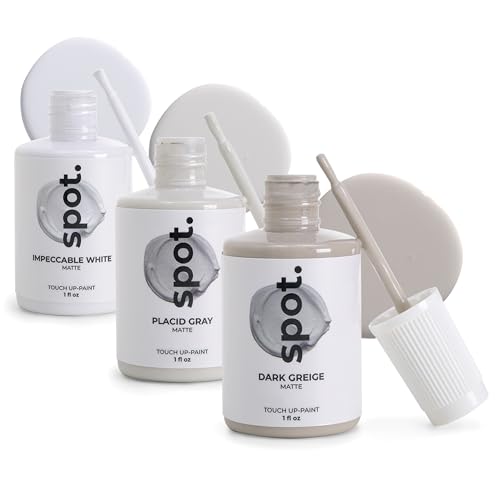
- Paint touch-up kit for matte walls


Before You Start
Prepare a small, inconspicuous test area to confirm that cleaning products won’t remove the matte finish. Work in a well-lit room and protect nearby surfaces with a drop cloth or old towels. Use lukewarm water and avoid harsh chemicals, ammonia, or bleach on matte walls, which can erode the finish over time. Time estimates vary by room size, but plan for 30–60 minutes for initial cleaning, with additional time for touch-ups if needed. Never scrub aggressively; matte paint is more prone to showing wear if treated roughly.
Step-By-Step: How To Clean Matte Walls Safely
- Inspect the wall and identify stains or marks that will need targeted treatment.
- Dust the surface first using a microfiber wall cleaning mitt to remove loose particles.
- Moisten the mitt or a soft cloth with a small amount of lukewarm water; wring out well to avoid saturating the wall.
- For general dirt, wipe with gentle, overlapping strokes in the direction of the wall’s texture. Use soft bristle wall brush for matte paint cleaning for stubborn but non-sticky spots.
- Apply a gentle wall cleaner spray for matte finish walls to a clean cloth or directly to the brush, then wipe the area gently. Avoid over-wetting.
- For oily or ink-like stains, use a melamine foam sponge wall cleaner matte paint safe sparingly; test first and dab rather than scrub, then wipe clean with a damp cloth.
- Rinse by wiping with a clean damp cloth to remove any cleaner residue. Avoid leaving cleaning solutions on the surface.
- Dry the area with a soft towel or allow it to air dry. Inspect for any remaining marks and repeat if necessary, using the paint touch-up kit for matte walls as needed.
- If touch-ups are required, follow the kit’s instructions and blend edges gently to match the surrounding matte finish.
- Return furniture and accessories to the room and re-check the walls after they dry to ensure an even appearance.
- Establish a maintenance routine: light cleaning every few weeks can prevent buildup without needing aggressive scrubbing.
- For textured matte surfaces, use a microfiber wall cleaning mitt delicate matte paint with long, light strokes to avoid pushing dirt into seams.
Troubleshooting
| Symptom | Likely Cause | Fix | Prevention |
|---|---|---|---|
| Streaks after cleaning | Cleaner residue or uneven wipe | Wipe with a clean damp cloth until residue is removed | Use light pressure and consistent direction |
| Paint appears lighter after cleaning | Excess moisture or cleaner exposure | Dry thoroughly and allow to recover; avoid over-wetting | Limit moisture; test in a small area first |
| Rough texture or snagging on edges | Over-wetting or abrasive tool | Switch to a softer method and dry promptly | Use microfiber mitts and soft brushes only |
| Stains reappear after drying | Residual stain or improper cleaning product | Re-clean with gentle product and ensure full removal | Choose products designed for matte finishes |
| Peeling or color loss | Pre-existing paint wear or improper prep | Stop cleaning that area and consider repainting | Address finish damage before cleaning cycles |
Common Mistakes
- Using abrasive sponges or scrubbers on matte walls
- Over-wetting the wall or leaving cleaner on the surface
- Rubbing in circular motions that create halos or gloss
- Ignoring test patches before treating larger areas
Careful technique minimizes risk of dulling or staining matte finishes. The right tools and mild products help maintain a clean, uniform look over time.
Tips For Best Results
- Test any cleaner on a hidden patch before full use, especially on newly painted matte walls.
- Keep cleaning sessions short and gentle to preserve the texture and color.
- Use a dedicated microfiber mitt for matte walls to reduce lint and scratching.
- Label and store touch-up supplies for quick fixes without heavy downtime.
- For frequently touched areas (near doors or switches), consider a light protective wipe-down weekly.
Call A Professional
Contact a pro if there is extensive staining, bubbling, peeling, or if the matte finish has an unusual sheen after cleaning. Seek help for large-scale touch-ups or if the wall was recently repainted and looks uneven. Stop attempting repairs if you notice cracking, water damage, or persistent discoloration, which may require expert assessment.
FAQ
Can I use regular dish soap on matte walls?
Yes, a mild dish soap diluted in water can work for light dirt, but test first to avoid residues or surface changes.
Is a melamine sponge safe on matte paint?
Only with light pressure and after testing in a hidden area; it can be effective but may risk gloss if overused.
How often should I clean matte walls?
Every 2–6 weeks for general dust and fingerprints; more frequent cleaning may be needed in high-traffic areas.
What if cleaning leaves marks or halos?
Wipe with a clean damp cloth again, ensuring you remove all cleaner residue and dry thoroughly.
Does matte paint require special touch-up tools?
Yes, use brushes and paints labeled for matte finishes to avoid altering texture or sheen.
Will the cleaning process affect texture or drywall?
Gentle cleaning preserves texture; aggressive scrubbing can wear or damage the finish over time.
When should I repaint instead of cleaning?
If the surface shows widespread wear, staining, or color inconsistency that cleaning cannot fix, repainting may be the best option.
Buying Guide
When selecting products for matte wall care, consider size, noise level, energy efficiency, controls, and placement. For cleaners, prioritize gentleness and suitability for matte finishes. Tools should be soft, non-abrasive, and easy to rinse. Look for small, targeted spray bottles for spot cleaning and larger bottles for routine maintenance. Noise is not a major factor for manual tools, but choose quiet, non-motorized options when possible. Think about where you clean most: if a large living space or hallway, a longer-handled soft-bristle brush can reduce overhead reaches. For touch-ups, stock a matte paint touch-up kit that matches your wall color and finish. Finally, ensure compatibility with your wall type (latex, acrylic, or vinyl) and read label directions for safe use around skin and eyes.