Raccoons can be clever and persistent visitors in American backyards. A thoughtful combination of deterrence, prevention, and humane methods helps reduce encounters while keeping wildlife safe. This guide outlines practical steps, recommended tools, and best practices to discourage raccoons from feeding, nesting, or rummaging around your property.
Quick Answer
To effectively deter raccoons in a yard, combine lighting, noise, and scent-based deterrents with secure trash storage and physical barriers. Start by removing attractants, install motion-activated deterrents, and seal potential entry points. Regular maintenance and consistent routines yield the best long-term results.
What You’ll Need
- Motion-activated outdoor wildlife deterrent light raccoon
- Ultrasonic outdoor raccoon repeller garden
- Solar powered raccoon deterrent device yard
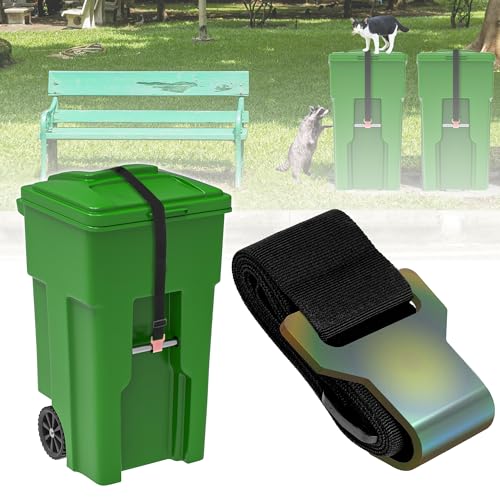
- Raccoon proof trash can with locking lid
- Raccoon barrier fence kit for yard


Before You Start
Assess your yard for attractants: ripe fruit, pet food, birdseed, and accessible trash. Pick low-lying areas where raccoons might hide or climb. Check local regulations about humane deterrents and avoid methods that could injure wildlife. Time estimates: planning (30–60 minutes), setup (1–3 hours depending on yard size), and routine maintenance (ongoing). Critical cautions: do not attempt to poison or trap raccoons yourself; use humane, legal methods and contact authorities if you encounter aggressive behavior or a protected animal.
Step-By-Step: How To Get Rid Of Raccoons In Your Yard
- Survey the yard to identify attractants, such as uncollected trash or exposed pet food, and remove them first.
- Secure garbage with a raccoon proof trash can with locking lid, ensuring a tight seal and sturdy construction.
- Install a motion-activated outdoor wildlife deterrent light raccoon near entry points and trash areas to startle and deter nocturnal visits.
- Position an ultrasonic outdoor raccoon repeller garden near problem zones, ensuring it has a clear line of sight and is not blocked by foliage.
- Place a solar powered raccoon deterrent device yard to provide ongoing light and motion cues without wiring.
- Add a raccoon barrier fence kit for yard around high-risk zones like gardens or compost piles, using sturdy posts and wildlife-friendly mesh.
- Maintain a routine of removing pet food and cleaning up birdseed promptly each evening to reduce food sources.
- Trim tree branches or climbable structures that give raccoons access to roofs or decks, creating physical barriers where feasible.
- Check and reseal gaps under sheds, decks, and fences where raccoons might nest or hide, using weatherproof materials.
- Monitor results for several weeks, adjusting deterrents if visits persist in specific zones, and rotate methods to prevent habituation.
- Encourage neighbors to participate in the deterrence plan; shared success across properties reduces raccoon movement in the area.
- Document any encounters and contact local animal control if wildlife behavior escalates or becomes a safety concern.
Troubleshooting
| Symptom | Likely Cause | Fix | Prevention |
|---|---|---|---|
| Raccoons still raid trash at night | Insufficient deterrence or weak storage | Upgrade to a locking lid can with tighter seals; reposition deterrents | Keep a consistent cleanup routine; secure lids immediately after trash day |
| Deterrents emit no effect | Deterrents not powered or blocked | Check power sources, replace batteries, clear vegetation away from sensors | Regularly test devices and reposition if animals habituate |
| Animals climb onto roof or deck | Accessible entry points or lack of barriers | Trim branches; install barrier fencing or netting | Seal gaps and remove climbing opportunities |
| Noise or lights bother humans nearby | Overly sensitive devices | Adjust sensitivity settings and timers | Use devices selectively and monitor neighbors’ comfort |
Common Mistakes
- Relying on a single deterrent; raccoons can habituate to one method quickly
- Leaving pet food outdoors or feeding wildlife intentionally
- Ignoring yard maintenance, such as fallen fruit or exposed compost
- Using ineffective or illegal trapping methods
Tips For Best Results
- Coordinate deterrents to cover multiple access points: doors, gates, and eaves.
- Rotate deterrents every few weeks to prevent habituation.
- Keep the yard well-lit in problem areas, but consider neighbors’ needs and select devices with adjustable exposure.
- Use scent-based deterrents sparingly and avoid strong chemical residues near edible plants.
Call A Professional
If raccoon activity becomes frequent, aggressive, or involves structural damage, contact a licensed wildlife control professional. Stop signs include persistent nocturnal visits after deterrents are installed, raccoons denning in walls or attics, or repeated damage to fences and gardens. A pro can assess entry points, provide humane exclusion strategies, and ensure compliance with local wildlife regulations.
FAQ
What attracts raccoons to yards?
Food sources like unsecured trash, pet food, fallen fruit, and birdseed are common attractants. Water sources and shelter also draw raccoons into yards.
Do motion-activated lights really deter raccoons?
Yes, when positioned correctly, these lights startle animals and discourage further visits, especially when paired with other deterrents.
Are ultrasonic devices effective for raccoons?
Ultrasonic devices can help, but effectiveness varies. They work best as part of a multi-pronged approach rather than as a sole solution.
How long does it take to see improvement?
Improvements often appear within 2–6 weeks of consistently applying deterrents and removing attractants, but results can vary by yard and season.
Buying Guide
Choosing the right deterrence setup involves several factors. Size and layout of the yard dictate how many devices are needed and where to place them. Noise level and light intensity should balance effectiveness with neighbor considerations. Energy efficiency matters for devices left on overnight; solar-powered options can simplify installation. Consider user-friendly controls, weather resistance, and ease of maintenance. Placement should cover entry points, trash areas, and gardens without creating blind spots that raccoons exploit. For best results, select a combination of products that addresses both surface access and feeding attractants, and ensure compatibility with your local wildlife guidelines.