Cleaning glass surfaces without a traditional squeegee is a practical option for many homes. With the right tools and technique, you can achieve streak-free windows using microfiber cloths, spray bottles, and flexible poles. This guide walks through a simple, effective method that fits American households and common cleaning habits.
Whether you’re dealing with high-rise panes, cluster windows, or bathroom mirrors, the following steps emphasize control, efficiency, and minimal waste while maintaining surface quality and care for the glass.
Quick Answer
Use a microfiber cloth set with a spray bottle cleaner and an extension pole to apply cleaner, wipe in sections, and buff to a streak-free finish. For tight corners, try a magnet or squeegee-alternative kit designed for window work, then finish with a clean microfiber cloth.
What You’ll Need
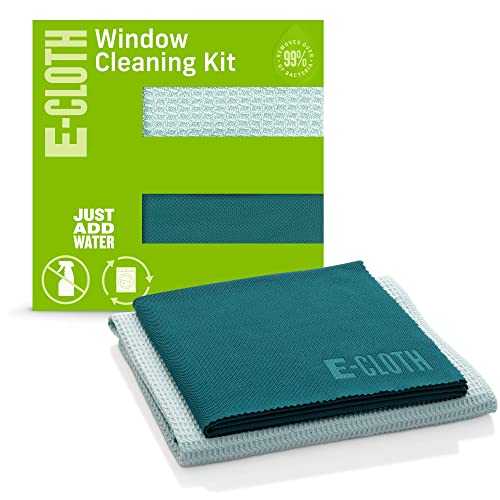
- Microfiber window cleaning cloth set — soft, highly absorbent cloths for application and buffing
- Squeegee alternative window cleaning kit — handles corners and larger surfaces without a traditional squeegee
- Spray bottle window cleaner with microfiber cloth — pre-mixed cleaner and a dedicated wipe-down cloth
- Extension pole window cleaning kit microfiber scrubber — reach high or distant panes safely
- Magnetic window cleaner without squeegee — additional reach and flexibility for dual-surface panes


Before You Start
Clear the area around windows and remove any heavy drapes or obstacles that could obstruct access. Use a damp microfiber cloth for a quick pre-wipe to loosen dirt, then follow with your cleaning method. Safety first: use a stable ladder or extendable pole for high windows, and avoid cleaning in direct sunlight to prevent rapid drying and streaks. Estimate 15–30 minutes per standard window, more for large or multi-pane installations.
Step-By-Step: How To Clean Windows Without A Squeegee
- Assemble your kit: extension pole, microfiber cloths, spray cleaner, and any squeegee-alternative tools you plan to use.
- Dust the frame first with a dry microfiber cloth to minimize debris that could smear the glass.
- Spray cleaner lightly onto the window or onto a microfiber cloth—avoid soaking the surface to reduce drips.
- Wipe in a zigzag or vertical motion from top to bottom to cover the full area, using the microfiber cloth to lift dirt.
- Switch to a clean cloth frequently to prevent reapplying dirt and to maintain a clear wipe path.
- For corners or edges, employ the squeegee-alternative kit or extension pole scrubber to reach tight spots without a traditional blade.
- Buff the surface with a dry microfiber cloth to remove remaining moisture and achieve a streak-free finish.
- Inspect from different angles. If you notice streaks, wipe again with a fresh cloth using a dry-to-wet method for a final touch.
- Repeat on the opposite side if needed, using the magnetic window cleaner for multi-pane setups when appropriate.
- Dispose of or launder used cloths per care instructions, and store tools in a dry area to prevent mildew.
- For very large windows, break the job into sections to maintain consistent cleaning quality and safety.
Troubleshooting
| Symptom | Likely Cause | Fix | Prevention |
|---|---|---|---|
| Streaks after cleaning | Drying too fast or residue | Buff with a dry microfiber cloth; use less cleaner | Clean during cooler parts of day; use quality microfiber |
| Residue on edges | Cleaner pooling | Wipe edges with a damp cloth, then dry immediately | Apply cleaner sparingly |
| Cloth leaves lint | Low-quality cloth or surface dirt | Switch to high-quality microfiber; pre-rinse cloth | Rinse or wash cloths after use |
| Cannot reach high panes | Access limitation | Use extension pole or magnetic cleaner | Plan route and ensure stable support |
| Streaks on reflective surfaces | Water spots from minerals | Use distilled water or microfiber buffing | Wipe when surface is cool and surface is damp |
Common Mistakes
- Over-soaking the window with cleaner, which increases drips and streaks.
- Using dirty or worn cloths that redeposit dirt.
- Cleaning in direct sun or hot surfaces that dry cleaner too quickly.
- Neglecting to buff with a dry cloth after wiping.
- Forgetting to prep frames and sills, which can reintroduce dirt.
Tips For Best Results
- Use a dedicated microfiber cloth for applying cleaner and a separate dry cloth for buffing to keep the finish clean.
- Switch cloths frequently to prevent cross-contamination between dirty and clean zones.
- Leverage extension poles to maintain a comfortable stance and reduce ladder time.
- Consider a two-step approach: light wipe, then a second, drier buff for shine.
- Test cleaners on inconspicuous areas first to ensure no surface damage or staining.
Call A Professional
Certain scenarios warrant professional help: stubborn mineral deposits, hard-water staining, extensive exterior panes, or high-rise exterior windows beyond safe reach. If repeated attempts fail to remove marks, or if ladders and elevated work create risk, contact a licensed professional cleaner or window technician.
FAQ
Can I use any spray cleaner with microfiber cloths?
Most household window cleaners work well with microfiber cloths, but avoid ammonia-based products on tinted glass unless specified by the manufacturer.
Is a squeegee necessary for clean windows?
No. Many homeowners clean effectively with microfiber cloths, extension poles, and squeegee alternatives designed for windows.
How often should I clean interior vs. exterior windows?
Interior windows typically require less frequent cleaning than exteriors, which collect more dust, pollen, and minerals.
What if the windows are very dirty or dusty?
Begin with a dry dusting, then repeat with a light spray and microfiber wipe to avoid mud-like streaks.
Are magnetic window cleaners safe for all window types?
They work best on multi-pane, metal-free frames. Check manufacturer guidelines to ensure compatibility with your glass.
Buying Guide
When choosing tools for cleaning windows without a squeegee, consider size, weight, and ease of use. Look for a microfiber window cleaning cloth set that offers different textures for washing and buffing. A squeegee alternative window cleaning kit should provide reliable edge cleaning and corner reach. For high or awkward panes, a extension pole window cleaning kit microfiber scrubber can reduce the need for ladders. Consider a magnetic window cleaner without squeegee as a supplementary option for double-pane doors or large panes. Finally, select a spray bottle window cleaner with microfiber cloth combo that is effective yet gentle on glass, and ensure all components are compatible with each other for seamless operation.
Key buying factors include size suitability for your windows, noise or friction if any moving parts are involved, energy efficiency in terms of cleaning effort, adjustable controls on extension tools, and placement convenience for storage. If you have mixed window types (bathroom mirrors, kitchen glass, exterior panes), look for modular kits that can adapt to different surfaces without complicating the workflow. Would you benefit from a magnetized kit for quick swaps between panes, or a full microfiber system for daily cleaning?