Fungus gnats are a common nuisance for indoor gardeners. They thrive in moist, organic-rich soil and can be stubborn to eliminate. This guide provides practical steps using accessible tools to reduce adult gnats, prevent outbreaks, and protect indoor plants.
By combining monitoring, targeted treatment, and simple changes to watering habits, you can regain control of plant health. The methods below emphasize using safe, easy-to-find products and proven techniques suitable for a typical American home.
Quick Answer
Key takeaway: start with reducing soil moisture, trap adults with sticky bait, and introduce a slow-acting soil treatment to interrupt the life cycle. Pair these actions with routine monitoring for ongoing control.
What You’ll Need
The following tools and materials help cover all life stages of fungus gnats and support long-term suppression:
- Fungus Gnat Sticky Traps For Houseplants – place at soil surface to intercept adult gnats.
- Yellow Sticky Cards Fungus Gnat Traps 4×6 Inches – highly visible, attracts and captures adults.
- Electric Insect Vacuum For Fungus Gnats – quickly remove flying adults in real time.
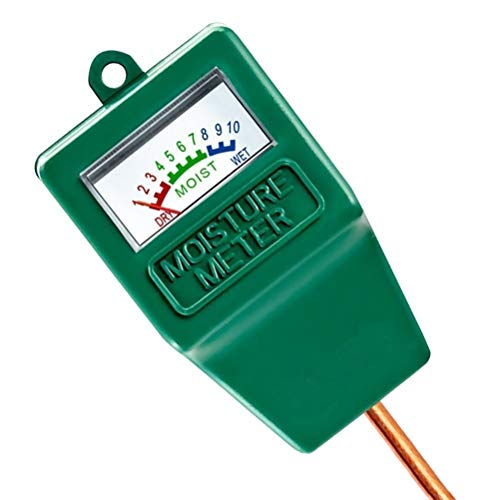
- Soil Moisture Meter For Potted Plants – helps dial in watering to avert overly damp soil.
- Diatomaceous Earth Powder For Fungus Gnats In Potted Plants – a physical barrier to deter larvae and adults when applied as a top-dressing.


Before You Start
Assess your plant setup and prepare a plan. Identify the most affected containers and consider whether you recently repotted or overwatered. Safety notes: avoid aerosol fumigants indoors unless recommended by a professional, and always follow label directions for any soil treatments.
Time estimates vary by infestation level. A light outbreak may show improvement within 1–2 weeks, while heavier infestations can take 3–6 weeks of consistent action. Focus first on moisture control, then on adult capture and soil treatment. Critical cautions: never overwater plants further, and keep children and pets away from treated soil until it’s safe to touch.
Step-By-Step: How To Get Rid Of Fungus Gnats In Houseplants
- Inspect the growing area and identify the most affected pots. Create a simple inventory of which plants exhibit visible adult gnats around soil and those with consistently damp soil.
- Reduce irrigation to allow the top 1–2 inches of soil to dry out between waterings. Use the soil moisture meter for potted plants to confirm moisture levels and avoid over-drying plant roots.
- Apply yellow sticky cards fungus gnat traps 4×6 inches near the soil surface of each affected pot to capture adults and provide ongoing monitoring data.
- Utilize fungus gnat sticky traps for houseplants as supplementary traps along shelves and pot edges to increase capture rates.
- Use an electric insect vacuum for fungus gnats to quickly remove flying adults during daylight when they are most active. Empty the canister outside after use.
- Dust the soil surface with diatomaceous earth powder for fungus gnats in potted plants following product directions. Reapply after watering to maintain effectiveness, avoiding excessive clumping.
- Consider a targeted soil treatment if adults persist and larvae remain. A light, labeled soil conditioner or approved larvicide may be used in accordance with label directions. Reapply only as recommended to avoid harming beneficial organisms.
- Water only when the soil moisture meter indicates it’s appropriate for the plant species. Consistent moisture control prevents larvae from thriving and reduces re-infestation risk.
- Continue monitoring for 2–4 weeks after the initial treatment. Replace sticky traps as needed and adjust watering practices based on plant response and moisture readings.
- For persistent outbreaks, repeat trap placement and soil treatment cycles, and consider repotting severely infested plants with fresh, sterile potting mix to disrupt the life cycle.
Troubleshooting
| Symptom | Likely Cause | Fix | Prevention |
|---|---|---|---|
| Many flying adults after treatment | New adults emerging from moist soil | Increase drying period, reapply sticky traps | Monitor soil moisture regularly |
| Gnats return after a week | Larvae survived in soil | Use diatomaceous earth top-dress and ensure proper spray or soil treatment per label | Avoid overwatering |
| Surface soil stays damp | Overwatering or high humidity | Switch to a drier watering schedule; improve air circulation | Use a moisture meter for accurate readings |
| Sticky traps clogged quickly | High adult activity | Replace traps more frequently | Place traps strategically near plant crowns |
| Soil pests after repotting | Contaminated potting mix | Use sterile or fresh potting mix | Inspect new soil before use |
Common Mistakes
- Overwatering despite pest presence, which fuels larvae development.
- Relying on a single method; gnats require an integrated approach.
- Neglecting monitoring after initial treatment, leading to unnoticed reseeding.
- Using diatomaceous earth unnecessarily thick or unevenly, reducing effectiveness.
Tips For Best Results
- Combine moisture management with adult traps for a two-pronged attack.
- Place yellow sticky cards near the soil surface and along the pot rim to maximize capture chances.
- Regularly inspect pots after watering and adjust schedules based on plant species requirements.
- Label treated pots and keep a simple infestation log to track improvements over time.
- Rotate plant placements to improve airflow and reduce humidity pockets that invite gnats.
Call A Professional
Seek professional assistance if fungus gnats persist after several treatment cycles or if a plant collection is large or valuable. Stop signs include ongoing adult activity despite trap use, widespread plant decline, or suspected pesticide sensitivity. A professional can identify potential pest species and recommend an integrated plan, including soil replacement options for heavily infested plants.
FAQ
What attracts fungus gnats indoors?
Fungus gnats are drawn to moist, organic-rich soils and decaying matter in potting media.
Are fungus gnats harmful to humans?
They are a nuisance and can be irritating, but they do not pose a direct health threat to people.
Can I repot plants to remove gnats?
Yes. Repot infested plants with fresh, sterile potting mix and clean containers to disrupt the life cycle.
How often should I replace sticky traps?
Replace them every 1–3 weeks during active outbreaks or as they become clogged with insects.
Buying Guide
Choosing the right tools and methods for fungus gnat control depends on several factors. Size and number of affected pots influence how many traps and monitoring devices are needed. Noise level isn’t a major concern indoors, but ease of use and maintenance matter for daily routines. Consider energy efficiency for any electric vacuum and battery-powered tools. Controls should be straightforward, with clear instructions for safe use around pets and children. Placement matters: position traps close to soil surfaces and near plant crowns for best results. Compare products by how they address both adult and larval stages, the ease of integration into existing plant care routines, and how quickly they can deliver noticeable improvements. If you garden with sensitive houseplants or have an extensive collection, prioritizing a combination of traps, moisture management, and soil treatments typically yields the most reliable outcomes.