West Elm Performance Velvet is a durable, stain-resistant fabric designed for everyday living. Proper cleaning preserves its color, texture, and longevity without harming the fibers. This guide provides practical steps and safe tools to keep your performance velvet looking fresh and new.
Quick Answer
For quick maintenance, use a vacuum with a velvet-friendly attachment to remove dust, followed by a handheld fabric steamer to lift wrinkles and refresh fibers. For spots, apply an upholstery cleaner spray designed for performance velvet and blot gently. Finish with a lint roller to remove surface fuzz and restore a smooth appearance.
What You’ll Need
- Handheld fabric steamer for velvet upholstery
- Upholstery cleaner spray for performance velvet
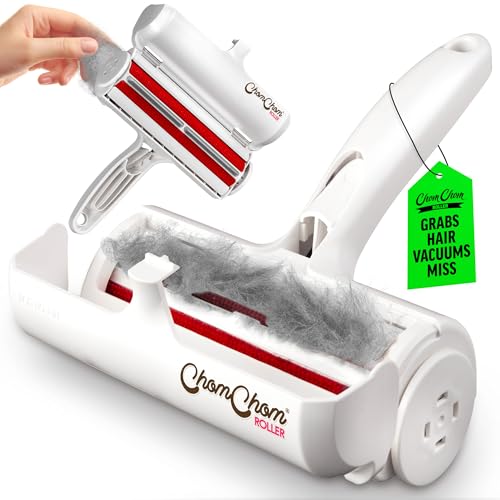
- Lint roller for performance velvet sofa
- Soft bristle upholstery brush for velvet cleaning
- Vacuum attachment for velvet sofa upholstery
- Lint-free cloths or paper towels
- Optional: microfiber cloth for gentle blotting


Before You Start
Test any cleaner or device in an inconspicuous area of the velvet to ensure no discoloration or texture change occurs. Dust and surface debris should be removed before deep cleaning to prevent rubbing dirt into the fibers. Schedule cleaning when the couch is cool and dry, and avoid direct heat or sunlight during and after cleaning. Never oversaturate performance velvet. Excess moisture can cause stiffness or water spots and may affect the backing over time.
Step-By-Step: How To Clean West Elm Performance Velvet
- Remove loose debris with a vacuum using a velvet-friendly attachment, working in small sections to prevent buildup.
- Gently brush the fabric with a soft bristle upholstery brush to lift pile and loosen embedded dust.
- Hold the handheld fabric steamer a few inches away and lightly steam the surface to refresh the nap. Do not press the steamer directly into the fabric.
- Apply a small amount of upholstery cleaner spray for performance velvet to a cloth or the fabric surface, testing first in a hidden area.
- Blot any spots with a clean, damp cloth, working from the outside of the stain toward the center to avoid spreading.
- For stubborn spots, apply cleaner sparingly and repeat blotting until the stain lifts. Avoid rubbing vigorously, which can devastate the nap.
- Run a vacuum attachment over the entire piece again to pick up loosened residue and restore uniform texture.
- Finish with a lint roller to remove any remaining lint or fuzz and to smooth the nap for a polished look.
- Allow the fabric to dry completely in a well-ventilated room before use.
- Periodically repeat the above steps as part of regular upkeep to maintain color and texture.
Troubleshooting
| Symptom | Likely Cause | Fix | Prevention |
|---|---|---|---|
| Stains that won’t lift | Stain absorbed deeply or incompatible cleaner | Use a stain-specific approach with a compatible upholstery cleaner spray; blot gently | Spot-clean promptly; test cleaners first |
| Water spots after cleaning | Over-wetting or poor drying | Dry thoroughly in a shaded area; avoid heat | Apply minimal moisture and air-dry completely |
| Nap looks uneven | Rubbing or heavy moisture | Steam lightly and brush with soft bristle tool | Avoid excessive pressing or rubbing |
| Lint buildup recurs quickly | Fibers shedding or surface pilling | Lint roller and gentle brushing; consider a protective spray (manufacturer-approved) | Frequency of cleaning; moderate use of protective products |
Common Mistakes
- Using hot water or harsh cleaners that can shrink or discolor velvet
- Over-saturating fabric with cleaners or water
- Rubbing stains aggressively, which frays the nap
- Skipping a patch test before applying cleaners
Tips For Best Results
- Regularly vacuum the sofa with the appropriate attachment to prevent dirt from embedding in the nap.
- Use a lint roller during routine cleaning to maintain the smooth, plush surface.
- Schedule annual deep cleanings with minimal moisture and proper drying time.
- Store cleaners in a cool, dry place and avoid exposure to direct sunlight to prevent fading.
- Keep pets and sharp objects away from velvet to reduce snags and lint.
Call A Professional
Consider reaching out to a professional upholstery cleaner if you notice persistent stains, color fading, or fabric swelling around seams. Stop cleaning if the fabric shows dye transfer or if you observe fraying or a change in nap texture that worsens with treatment. Seek professional help for large spills or if the furniture is heavily used in households with children or pets.
FAQ
Can I use a steam cleaner on West Elm Performance Velvet?
Yes, but use a handheld fabric steamer with caution, keeping it at a distance to avoid over-wetting the nap. Avoid direct contact with the fabric.
Is there a specific cleaner recommended for performance velvet?
Use an upholstery cleaner spray formulated for performance velvet, and always test in a hidden area first.
How often should I clean my performance velvet sofa?
Regular light maintenance weekly and a deeper clean every 3–6 months, depending on usage and exposure to spills.
What should I do about pet hair on velvet?
Use a lint roller or soft brush regularly to prevent buildup and maintain a smooth appearance.
Buying Guide
When choosing cleaning methods or accessories for West Elm Performance Velvet, consider size, noise level, energy efficiency, controls, and placement. A lightweight handheld steamer should be quiet, easy to maneuver, and safe for delicate nap fibers. Vacuum attachments should be designed for upholstery and compatible with the sofa’s fabric pile. Choose a lint roller and soft bristle brush that are gentle enough to avoid snagging. For busy households, a compact cleaning kit with a spray cleaner, fabric steamer, and lint roller offers a balanced blend of convenience and performance. Finally, assess the sofa’s placement: avoid direct sun and heat sources that can fade or dry out velvet fibers over time.