Unpleasant scalp odor can stem from excess oil, buildup, or a fungal imbalance. A targeted routine combining cleansing, exfoliation, and scalp-focused treatments can help restore freshness. This guide outlines practical steps, product options, and pointers to maintain a healthy scalp.
By following a structured approach, readers can address odor at the source rather than masking it with fragrances. The emphasis is on proven ingredients and safe practices that suit typical home routines in the United States.
Quick Answer
To reduce scalp odor quickly, use a medicated anti-dandruff or tea tree oil shampoo, exfoliate with a charcoal scrub a few times a week, and massage the scalp with a silicone scalp massager to improve circulation and distribution of products. Regular use of a detox shampoo can help remove buildup over time.
What You’ll Need
- anti-dandruff shampoo zinc pyrithione 2% 8oz
- scalp exfoliating scrub charcoal tea tree oil 4oz
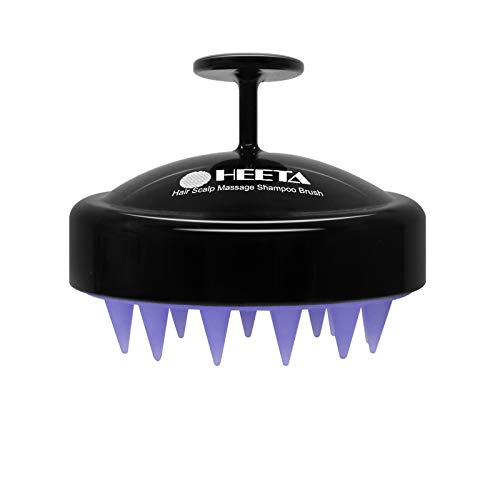
- silicone scalp massager brush
- charcoal scalp detox shampoo 8oz
- tea tree oil scalp treatment shampoo medicated


Before You Start
Assess your scalp type and any sensitivities. If you have open wounds, severe redness, or persistent itching, consult a dermatologist before starting new products. Time estimates assume a typical shower routine and include product application and rinsing steps. Important cautions include avoiding combining multiple strong active ingredients that may irritate the scalp, patch-testing new products, and steering clear of excessive wash frequency that can dry the scalp.
Step-By-Step: How To Get Rid Of Scalp Smell
- Rinse hair with lukewarm water to loosen oils and debris without shocking the scalp.
- Wet the scalp and apply a medicated anti-dandruff shampoo (zinc pyrithione 2% is a common example) focusing on the scalp rather than the hair lengths.
- Leave the shampoo to sit for 1–3 minutes to activate the active ingredient, then rinse thoroughly.
- Use a tea tree oil–based scalp treatment shampoo if you prefer a natural antiseptic approach, following the product’s directions.
- Exfoliate the scalp 1–2 times per week with a charcoal scalp exfoliating scrub to remove buildup and dead skin cells.
- Apply a charcoal detox shampoo once or twice weekly to help draw out impurities and refresh the scalp.
- Massage the scalp with a silicone scalp massager brush for 1–2 minutes during washing and again during conditioning to improve circulation and product distribution.
- Rinse well and finish with a lightweight conditioner applied mainly to ends, avoiding the scalp to prevent extra buildup.
- Repeat the routine consistently, adjusting frequency if the scalp becomes dry or irritated.
- Observe changes over 2–4 weeks; if odor persists, consider alternating products or consulting a professional.
- Optional maintenance step: periodically use a clarifying wash or detox treatment to prevent recurring buildup.
- Store products away from humidity and heat to preserve their integrity and effectiveness.
Troubleshooting
| Symptom | Likely Cause | Fix | Prevention |
|---|---|---|---|
| Persistent odor after washing | Buildup from styling products or insufficient cleansing | Increase scalp-focused cleansing and consider alternating detox shampoos | Limit heavy products on scalp; rinse thoroughly |
| Itching or irritation | Active ingredients too strong or sensitivity to tea tree oil | Switch to milder formulations or perform patch tests; reduce frequency | Rotate products gradually; introduce one new product at a time |
| Dry scalp after exfoliation | Over-exfoliation or harsh scrub | Reduce exfoliation frequency; use a hydrating conditioner on scalp | Moisturize with a scalp-friendly treatment between scrub days |
| Oiliness returns quickly | Overproduction of sebum or hormonal factors | Balance cleansing routine; avoid over-washing; consider oil-control products | Adjust wash interval to match scalp needs; monitor weather and activity |
Common Mistakes
- Over-washing, which strips moisture and triggers more oil production
- Using multiple overlapping active ingredients without guidance
- Applying scalp products to the hair shaft, causing buildup near the scalp
- Neglecting to rinse thoroughly after the final step
Tips For Best Results
- Alternate between an anti-dandruff shampoo and a detox shampoo to prevent resistance and balance oils.
- Incorporate a scalp massage routine to improve product penetration and comfort.
- Keep humidity and sweat in check during workouts; consider a quick wash or rinse after gym sessions.
- Follow product instructions for contact time to maximize efficacy without irritation.
- Patch-test new products on a small scalp area before full application.
Call A Professional
Seek professional advice if there is itching, redness, or hair loss that accompanies odor, or if odor persists despite a consistent routine. A dermatologist or trichologist can assess for fungal infections, seborrheic dermatitis, or other scalp conditions that require targeted treatment.
FAQ
How often should I exfoliate my scalp?
Exfoliate 1–2 times per week, depending on scalp sensitivity and buildup. Avoid daily exfoliation that can irritate the skin.
Can I use tea tree oil every day?
Daily use is not recommended for all users; start with a few applications per week and monitor for irritation. Dilute and follow product directions.
Will washing frequency affect scalp odor?
Yes. Both under-washing and over-washing can contribute to odor. Aim for a balanced routine that suits your scalp type and activity level.
Is a silicone scalp massager necessary?
Not strictly necessary, but it can improve cleansing and product distribution, especially for people with thicker hair or sensitive scalps.
Are detox shampoos safe for daily use?
Detox or charcoal shampoos are generally formulated for periodic use, not daily. Follow label guidance and tailor frequency to scalp response.
Can odor be a sign of a medical condition?
In rare cases, persistent odor with other symptoms could indicate dermatitis, infection, or hormonal issues. See a professional if concerned.
How long before I notice an improvement?
Most people notice a difference within 2–4 weeks with a consistent routine.
Buying Guide
When choosing products to address scalp odor, consider several key factors. Size matters for long-term use and travel convenience, while noise level is relevant for any electric scalp tools. Energy efficiency applies to devices like massagers. Look for controls that are simple and intuitive, and plan placement in a bathroom or shower area for easy access. Evaluate how each product fits your scalp type, oil level, and any sensitivities to fragrances or active ingredients. Compare options by combination usage: cleansing, exfoliation, and treatment, and assess whether a routine prioritizes medicated formulas, natural ingredients, or a balance of both. For individuals with sensitive skin or certain conditions, a dermatologist’s recommendation can guide product selection and usage frequency. Additionally, consider the ease of maintenance, whether products are cruelty-free, and the availability of refill options to reduce waste. A practical approach is to start with a core trio: a medicated shampoo, a detox/clarifying wash, and a scalp exfoliant, then layer in a massager and a targeted treatment as needed. This setup helps users fine-tune their routine while keeping options flexible for changing scalp needs.