Looking for paintable veneer to refresh cabinets and furniture? This guide highlights five top options that balance ease of application, compatibility with paint, and lasting results. The best picks suit different needs—from flexible sheets for curved surfaces to pre-glued edge banding ideal for quick repairs. This overview helps DIYers, woodworkers, and renovators choose the right veneer for cabinet renovations, crafts, and home upgrades. The table below summarizes each product’s key points.
| Product | Best For | Why It Stands Out |
|---|---|---|
| Maple Wood Veneer Sheet — 9ft x 10in | Furniture restoration & cabinets | Flexible maple skin with a non-woven backing for easy cutting and application. |
| POWERTEC Walnut Edge Banding — 50 Ft | Edge finishing & long runs | Pre-glued, heat-activated adhesive; real wood veneer with durable finish. |
| WoodPress Real Birch Veneer — 6 Sheets | Marquetry & panels | US Letter size sheets, versatile for crafts and repairs. |
| Cherry Wood Veneer Peel & Stick 24×96 | Restoration with self-adhesive | Unfinished, ready for staining; stable yet flexible for various surfaces. |
| Edge Supply Red Oak Veneer Sheet 24×96 | Cabinetry & furniture refinishing | Self-adhesive, A-grade real wood veneer with strong bond. |
Maple Wood Veneer Sheet — Flexible Natural Maple Skin

Product highlights: Maple veneer from natural maple wood provides a smooth, lightweight, and flexible finish with appealing grain patterns. A large 9ft x 10in sheet (0.25mm thick) suits cabinet refinishing, furniture restoration, and a wide range of DIY projects. The non-woven fabric backing offers easier handling and cuts with your preferred adhesive.
Best for: DIY enthusiasts and woodworkers tackling cabinet refacing or large furniture projects who want an easy-to-cut, paint-friendly veneer with natural maple aesthetics.
Limitations: Requires an appropriate adhesive and finishing to achieve the desired paint-ready surface. The backing is non-woven and non-adhesive, so you’ll apply glue or contact cement as needed.
POWERTEC Walnut Edge Banding — 50 Ft

Product highlights: Pre-glued, heat-activated walnut veneer edge banding that adheres via an iron to create a seamless edge on cabinets and furniture. The real walnut veneer is flexible enough for curved edges and durable against scratches. It can be painted or stained to match existing finishes.
Best for: Projects needing fast, durable edge finishing on long runs or curved cabinet edges, especially when you want a natural wood look that can be matched to other walnut elements.
Limitations: Requires heat application for bonding; tools like an iron and trimming tools are recommended for best results.
WoodPress Real Birch Veneer — Pack of 6 Sheets

Product highlights: Birch wood veneer sheets at US Letter size (approx 8.5″ x 11″), 1/32″ thick, in a six-sheet pack. Suitable for marquetry, crafts, panels, and cabinet repairs. The sheets offer natural birch grain with consistent tone for repairs and accents.
Best for: Crafters and students seeking a compact, uniform veneer set for school projects, repairs, and small cabinet panels where exact sheet size matters.
Limitations: Birch grain and color will vary between sheets; plan for color matching across multiple pieces.
Cherry Wood Veneer Peel & Stick — 24×96
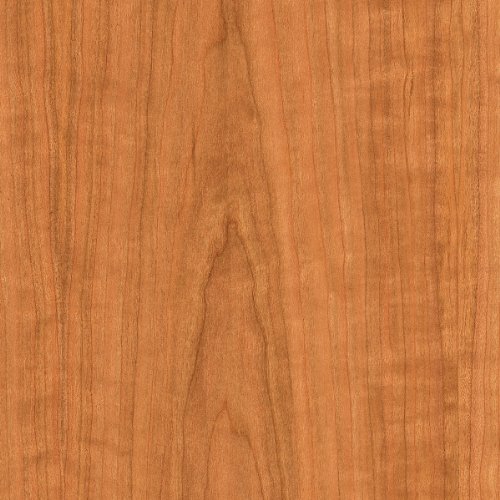
Product highlights: Peel-and-stick cherry wood veneer sheet (3M9505 style) with A-grade quality. Unfinished and ready for staining and finishing. Expect natural grain and color variation due to the material’s natural properties. Provides stability and flexibility for restoration projects.
Best for: Cabinets and furniture where you want a classic cherry finish with straightforward application and the option to stain to your preferred shade.
Limitations: Color and grain will vary; ensure compatibility with the staining technique you plan to use and test on a sample first.
Edge Supply Red Oak Veneer Sheet — 24×96
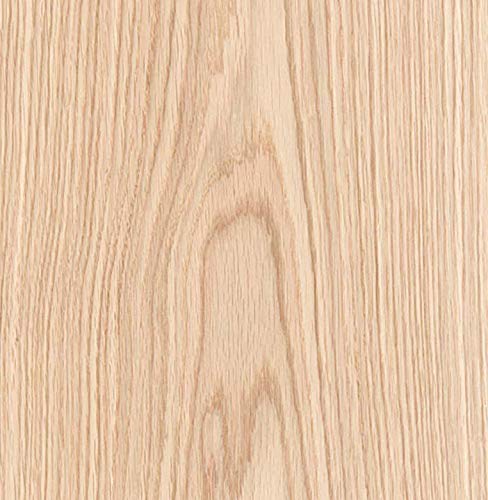
Product highlights: Self-adhesive red oak veneer sheet, A-grade quality with a smooth finish. The peel-and-stick design simplifies application on cabinetry and furniture. Flexible enough to bend on curved surfaces and easy to stain or finish to match surrounding pieces.
Best for: Quick upgrades to cabinetry where an enduring wood look is desired without complex glue-down steps. The self-adhesive feature makes it suitable for DIYers seeking faster results.
Limitations: The adhesive backing is strong but may require smoothing and trimming for precise edges; ensure clean surfaces before application.
Buying Guide: Key Considerations When Choosing Paintable Veneer for Cabinets
- Material and finish: Choose real wood veneers (birch, maple, cherry, red oak, walnut) for authentic grain and paint compatibility. Consider whether you want a pre-finished or unfinished surface to allow custom staining after installation.
- Backing and application method: Non-woven backing is easier to cut and handle, while self-adhesive or pre-glued edges can speed up installation. Decide if you’ll use glue, heat, or a simple peel-and-stick approach based on project needs.
- Sheet size and thickness: Larger, thinner sheets cover more area with fewer seams but may be less forgiving on curved shapes. Thicker veneers offer durability but can be harder to bend around corners.
- Aging and compatibility with paint: If painting, ensure a suitable primer and surface preparation to prevent peeling. Some veneers can be painted directly after proper sealing and sanding; others may require specific primers to achieve even color.
- Edge finishing: For cabinet edges, edge banding or self-adhesive sheets can provide clean, seamless transitions. Consider heat-activation or adhesive strength for long-lasting bonds on edges and corners.
- Budget and project scope: For large cabinet refacing, multiple sheets or rolls may be cost-effective. For repairs, smaller packs or edge bands can be more practical.
Frequently Asked Questions
- What veneer is best for painting?
– Real wood veneers like maple, birch, and oak take paint well when properly prepared with sanding and primer. - Do I need special glue for veneer on cabinets?
– Most projects work with standard wood adhesive or contact cement, depending on backing and sheet type. Follow product-specific instructions. - Can peel-and-stick veneers be used on curved surfaces?
– Yes, some peel-and-stick and edge-banding options are designed to flex around curves, but test a small area first. - How do I prevent warping after installation?
– Ensure surfaces are clean, flat, and properly sealed; apply even pressure during bonding and allow adequate curing time for adhesives. - Are these veneers suitable for kitchen cabinets?
– Yes, selected options are designed for cabinetry use, with finishes and backing that support durable kitchen applications. - What should I consider for color matching with existing cabinets?
– Sample boards and test stains can help match color; consider the effect of lighting and finishes on your final shade.