Answering the question of how to shield wood surfaces, these protective coats offer durable protection while preserving color and grain. This guide highlights top options for interior wood projects and helps you pick the right finish for your needs—whether you’re updating furniture, doors, cabinets, or trim. Best for hobbyists who want easy application and low odor, to professionals seeking long-lasting protection on high-traffic woodwork.
| Product | Finish Type | Best For | Sheen |
|---|---|---|---|
| Minwax Polycrylic Protective Wood Finish, Clear Satin | Water-based Polycrylic | Light woods, furniture with satin look | Satin |
| Minwax Polycrylic Protective Finish, Clear Matte | Water-based Polycrylic | Modern, cozy look on cabinetry and panels | Matte |
| 1/2 pt Minwax 25555 Clear Polycrylic Water-Based Protective Finish Gloss | Water-based Polycrylic | Bright, glossy finish on small projects | Gloss |
| Minwax Fast Drying Polyurethane Protective Wood Finish, Clear Semi-Gloss | Oil-based Polyurethane | High-traffic surfaces, floors, doors | Semi-Gloss |
| Varathane Water-Based Crystal-Clear Ultimate Polyurethane, Satin | Water-based Polyurethane | Indoor furniture and cabinetry with quick recoat | Satin |
Minwax Polycrylic Protective Wood Finish, Clear Satin

Best for interior wood projects where a durable satin sheen is desired without ambering. This water-based polycrylic provides a protective top coat over stains and colors, preserving the natural beauty of the wood. It’s non-yellowing and low odor, making it suitable for occupied spaces or rooms with less ventilation. This option is particularly strong for furniture, doors, and cabinets that require a clean, classic satin look.
Who it’s best for: DIYers and homeowners seeking an easy-to-clean, low-odor finish for light woods like maple or birch. Why selected: Crystal-clear protection that minimizes color shift and resists scratches, spills, and dirt.
Limitations: Not ideal for outdoor use or areas with excessive moisture exposure. High-traffic floors may benefit from a polyurethane designed specifically for durability.
Minwax Polycrylic Protective Finish, Clear Matte
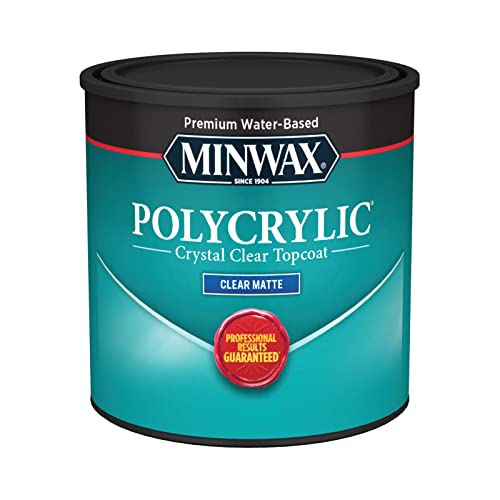
Best for a modern, cozy appearance where a soft sheen is preferred. This matte version offers crystal-clear protection that remains non-glossy, helping to hide minor surface imperfections while guarding wood against scratches and dirt. Ideal for cabinets, paneling, and furniture where a subdued look is desired.
Who it’s best for: Projects aiming for a contemporary matte aesthetic with solid protection. Why selected: Matte sheen provides a distinct, current look without yellowing over time.
Limitations: Matte finishes can appear less forgiving on heavily textured surfaces; ensure even coats and proper surface preparation for the best results.
1/2 pt Minwax 25555 Clear Polycrylic Water-Based Protective Finish Gloss
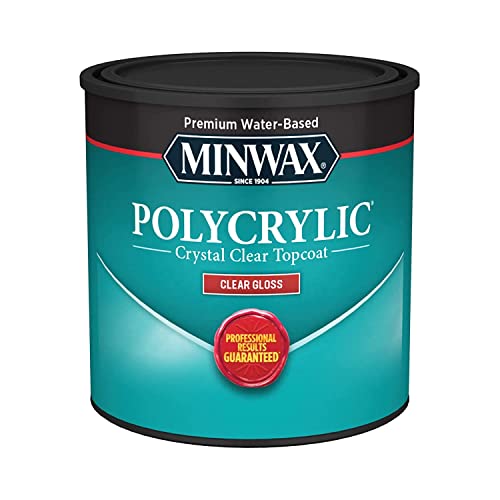
Best for a bright, glossy space where light can enhance color and grain. This gloss clear polycrylic provides a high-shine finish that highlights wood grain while offering protection against scratches and spills. Suitable for decorative pieces, trim, and higher-sheen furniture pieces.
Who it’s best for: Those wanting a vibrant, glossy look on smaller projects or accent pieces. Why selected: Combines clear protection with a reflective gloss that makes colors pop.
Limitations: Gloss finishes show fingerprints more readily and can emphasize surface flaws if not properly prepared.
Minwax Fast Drying Polyurethane Protective Wood Finish, Clear Semi-Gloss

Best for high-traffic projects where a durable oil-based finish is required. This semi-gloss polyurethane delivers strong protection for interior woodwork, furniture, doors, cabinets, and floors. It forms a warm, durable coat that resists scratches and spills, with a longer cure time than water-based finishes but superior abrasion resistance.
Who it’s best for: Homeowners or pros finishing frequently used surfaces that demand robust durability. Why selected: Oil-based durability combined with a practical semi-gloss sheen. Limitations: Strong odor and longer cleanup time compared with water-based options.
Minwax 63333 Clear Polycrylic Water-Based Satin

Best for preserving natural wood tones with a subtle satin finish. This water-based polycrylic provides protection that’s almost invisible, letting the wood’s grain and color stay prominent. Suitable for furniture, wood trim, and cabinetry where a balanced, soft sheen is desired.
Who it’s best for: Those who want a low-odor finish that maintains a natural look. Why selected: Satin sheen offers understated elegance while keeping the wood’s beauty intact.
Limitations: Not the best choice for heavy-use, high-moisture environments unless paired with a more durable top coat in moisture-prone spaces.
Varathane Water-Based Satin Polyurethane

Best for fast-drying interior projects needing a clear, durable finish with easy cleanup. This water-based option provides a quick-dry time and clean-up with soap and water, making it suitable for busy workshops or homes. It resists yellowing and maintains a natural wood appearance with a satin sheen.
Who it’s best for: People who value speed and simplicity in application, without sacrificing protection. Why selected: Fast-dry time and low odor with a clear, satin finish. Limitation: Recoating windows can be quick, so plan your project sequence to avoid overlaps.
Buying Guide: Key Purchase Considerations
- Finish type: Water-based finishes (polycrylic) tend to be lower odor, faster drying, and clearer; oil-based finishes offer superior durability but stronger odor and longer cure times.
- Sheen level: Satin hides some imperfections and shows natural grain softly; matte is more contemporary but can show wear; gloss or semi-gloss highlights grain and is easier to wipe clean.
- Wood type and color: Lighter woods benefit from crystal-clear finishes that do not yellow; darker or red-toned woods may look richer with oil-based polyurethanes that bring warmth.
- Application and cleanup: Water-based products are easier to clean with soap and water; oil-based products require mineral spirits or similar solvents.
- Usage environment: For high-moisture areas (kitchens, bathrooms) choose water-based or specifically rated moisture-resistant formulas; for floors and high-traffic items, durability matters most.
- Drying and recoating times: Quick recoat times enable faster project completion; plan ahead for weather, ventilation, and cure time before heavy use.
FAQ
- What is the difference between polycrylic and polyurethane?
Polycrylic is water-based, low odor, and clear; polyurethane offers greater durability and can be oil-based or water-based. - Which finish is best for furniture with light wood?
Crystal-clear, water-based polycrylic in satin or matte helps preserve natural color without yellowing. - Is a gloss finish better for protection?
Gloss surfaces are easier to wipe but show more scratches; choose based on desired look and maintenance tolerance. - Can I apply another coat soon after the first?
Follow the product’s guidance on recoat times; some water-based finishes recoat in as little as 2 hours under optimal conditions. - Are these finishes safe for indoor use?
All listed options are designed for interior wood surfaces; ensure proper ventilation during application. - Do these finishes protect against UV light?
Most indoor finishes protect against scratches and spills but provide limited UV protection; for UV concerns, consider finishes with added UV inhibitors or use UV-resistant stains underneath.