Answering where to start with insulation roof coatings, this guide highlights top options that reflect heat, seal leaks, and extend roof life. Ideal buyers include homeowners with flat or low-slope roofs, RV and camper owners seeking light reflectivity, and professionals needing durable, weather-ready coatings. All products feature reflective or insulating properties to reduce cooling costs and improve interior comfort. The table below compares key traits to help you choose quickly.
| Product | Best For | Key Benefit |
|---|---|---|
| AMES Maximum Stretch Roof Coating | Low-slope roofs, metal roofs | 650% elongation; high reflectivity |
| Hy-Tech ThermaCels Additive | Any paint job needing insulation boost | Mix-in insulation without altering base paint |
| Rust-Oleum 710 Elastomeric | Large roof areas needing quick coverage | Strong reflectivity and weather resistance |
| Gardner Sta-Kool Turbo-Dri | RV roofs and uneven UV exposure | Rain safe in 30 minutes; fast recoats |
| Matvio White RV Roof Coating | Mobile structures and leaks | Waterproof membrane; damp surface applicability |
AMES Maximum Stretch Roof Coating, 1 Gallon
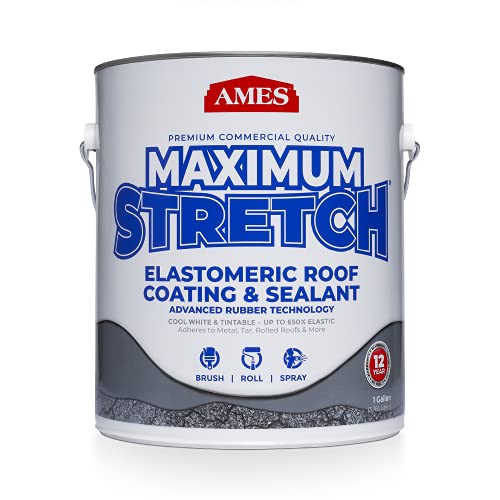
Best for: metal roofing, tar, rolled roofs, and RV roofs. This white, elastomeric coating provides 650% elongation, resisting cracking and peeling as it expands and contracts with temperature changes. With 88% light reflectivity, it reduces surface temperatures and cooling costs. It adheres to multiple substrates and can be brushed, rolled, or sprayed on. Use as a waterproof sealant for low-slope roofs and as a flexible roof material. Caution: ensure proper surface preparation; compatibility varies by substrate.
ThermaCels Insulating Paint Additive — 1 Gallon
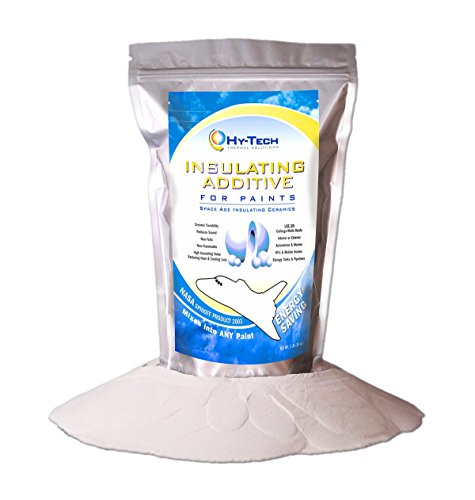
Best for: adding insulation benefits to existing paints and coatings. This additive can be mixed into any paint without altering its final properties and helps reduce heat transfer, lowering heating and cooling bills. It’s a flexible option for projects where direct coating into an expensive new roof coating isn’t feasible. Limitation: effects depend on the base paint system and application thickness.
Rust-Oleum 710 Elastomeric Roof Coating, 5 Gallon

Best for: larger roof areas needing a durable white coating. Features include 84% initial reflectivity and 74% weathered reflectivity, with rain resistance achievable in about 6 hours. This coating is suitable for metal and other common roof substrates. Consideration: use on properly prepped, clean surfaces to maximize adhesion and longevity.
Gardner-Gibson Sta-Kool 15-Year Turbo-Dri
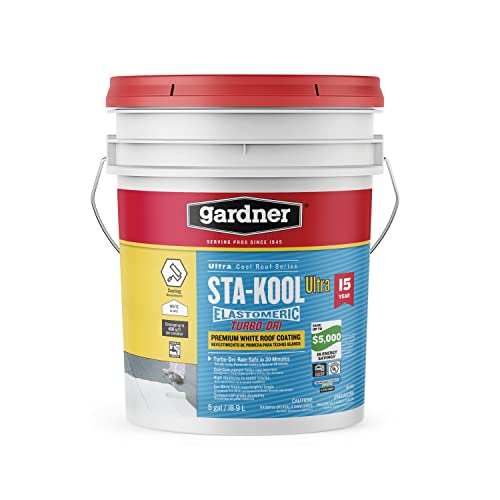
Best for: RV roofs and flat/low-slope roofs exposed to intense sun. This white, elastomeric coating features Cool-Core technology to repel heat gain and keep interiors cooler. It’s designed to be rain safe in 30 minutes and recoated in three hours, enabling faster project completion. Caution: check substrate compatibility and ensure proper surface preparation for optimal performance.
Matvio White RV Roof Coating, 1 Quart

Best for: RVs, campers, and trailers needing a flexible waterproof seal. This water-based formula is designed to be applied on slightly damp surfaces and forms a durable, elastic, waterproof membrane. It provides solar reflectivity to reduce indoor heat and helps protect vents, skylights, and seams. Limitation: suitability for metal roofs should be confirmed if the surface has EPDM or TPO materials not listed in recommended substrates.
Buying Guide: What To Check Before You Coat
- Roof type compatibility: Metal, asphalt, EPDM, TPO, and others require different coatings. Confirm substrate compatibility before purchase.
- Reflectivity vs. insulation: Reflective coatings reduce surface temperatures; insulating additives or ceramic content can improve thermal resistance.
- Elongation and elasticity: Higher elongation coatings resist cracking on moving or flexing roofs, such as RV or metal surfaces.
- Drying time and weather safety: Some products are rain-safe in minutes; plan projects around typical rainfall and humidity.
- Application method: Brush, roll, or spray compatibility affects labor and coverage; ensure your equipment matches the product.
- Maintenance and recoat window: Some coatings allow quick reapplication; others require longer cure times. Consider project timelines.
FAQ
- What is insulation roof coating best for RV roofs?
- Do I need to remove old coatings before applying a new coat?
- How long does a roof coating typically last?
- Can I apply these coatings over damp surfaces?
- Is temperature a factor in curing?
- Are these coatings suitable for metal RV roofs only?
Elastomeric coatings and those with flexible membranes (like Sta-Kool Turbo-Dri) are well suited for RV roofs due to movement and exposure to heat. They provide reflectivity and a watertight seal.
In most cases, cleaning and priming improve adhesion. Some products are designed to bond over existing coatings, but always follow the manufacturer’s surface-prep guidelines.
Durability varies by product and climate but many elastomeric coatings offer multi-year protection with periodic recoating when needed.
Some products like Matvio are formulated to apply on slightly damp surfaces, but others require dry substrates. Check the label for guidance.
Yes. Extreme heat or cold can affect curing times and adhesion. Plan applications for moderate temperatures and avoid extreme conditions.
Many formulas target metal and low-slope roofs, though some are versatile for other substrates. Verify substrate compatibility for your roof type.