Answering the search for durable, vibrant royal blue options for concrete, plaster, and fiberglass pools, this guide highlights five proven pool paints. Each pick suits different pool types, maintenance plans, and color tones from bright aqua to deep royal hues. Use this overview to decide which paint best fits your pool surface, climate, and DIY goals.
Summary table of chosen products
| Product | Best For | Finish Type | Notes |
|---|---|---|---|
| Olympic Zeron Viking Blue | Pro-style results on plaster, fiberglass, steel, or aluminum | Two-part epoxy | One-coat coverage when mixed properly; 125-150 sq ft per gallon |
| INSL-X Aquamarine Pool Paint | Freshwater or saltwater pools seeking a bright aqua look | Waterborne acrylic | Quick-drying; easy cleanup |
| Olympic Zeron Bikini Blue | Vibrant royal/blue options with strong adhesion | Two-part epoxy | Similar handling to Viking Blue; plan for catalyst mixing |
| Dyco Ocean Blue Waterborne Pool Paint | Long-lasting, UV-resistant blue finish for outdoors | Waterborne acrylic | Seals hairline cracks; durable against chemicals |
| YOA Ocean Blue Pool Paint | DIY projects needing flexible prep and mix guidance | Flexible vinyl/acrylic mixture | Detailed mixing steps; suitable for multiple substrates |
Olympic Zeron Viking Blue – 1 Gallon

The Olympic Zeron two-part epoxy is designed for plaster, fiberglass, steel, and aluminum pools. This Viking Blue option is best for pools that demand a durable, chemical-resistant finish with a cohesive royal-blue look. The kit includes a base and a catalyst, with a finished volume of one gallon after mixing. This product favors surfaces that tolerate longer curing times and thorough mixing to avoid premature hardening. Coverage is approximately 125–150 square feet per gallon, making it a solid choice for mid-sized concrete or plaster pools. Best for: experienced DIYers or professionals seeking a one-coat epoxy finish for high durability. Caution: ensure accurate catalyst-to-base mixing and use promptly to prevent hardening before application. Consider potential surface prep needs on slick or previously painted surfaces.
INSL-X Aquamarine Waterborne Pool Paint – 1 Gallon
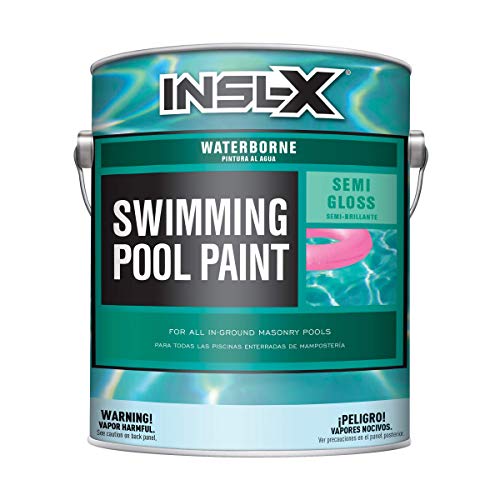
This Aquamarine waterborne acrylic pool paint is suitable for fresh or saltwater pools, delivering a bright, aquatic blue tone that evokes royal blue undertones. The water-based formula dries quickly and cleans up easily, reducing project downtime. It’s ideal for concrete, plaster, or masonry surfaces where environmental considerations favor lower-VOC finishes. Best for: homeowners who want a fast-drying, user-friendly option with good color brightness and simple maintenance. Limitation: may require multiple coats for deeper color saturation or longer outdoor sun exposure in hot climates.
Olympic Zeron Bikini Blue – 1 Gallon

The Bikini Blue variant from Olympic Zeron provides a vivid blue solution similar to Viking Blue. Like other two-part epoxies in this line, it requires thorough mixing and proper scheduling to avoid premature hardening. Coverage is in the same range as Viking Blue, making it a strong alternative when color intent leans toward a lighter cobalt or navy feel. Best for: pools that see heavy chemical exposure and require robust adhesion. Caution: ensure adequate ventilation and proper cure times to achieve the intended color and durability.
Dyco Ocean Blue Waterborne Pool Paint – 1 Gallon

Dyco’s Ocean Blue waterborne acrylic pool paint emphasizes a long-lasting, UV-resistant finish that resists fading, peeling, and cracking. It’s designed for concrete, plaster, or masonry surfaces and offers resilience against salt and chemicals. The plus: it can seal hairline cracks, helping maintain a smooth surface with fewer maintenance calls. Best for: outdoor pools needing a durable, tile-like appearance in a classic blue shade. Limitation: as with many waterborne acrylics, color depth may vary with multiple coats and sun exposure over time.
YOA Ocean Blue Pool Paint – 1 Gallon
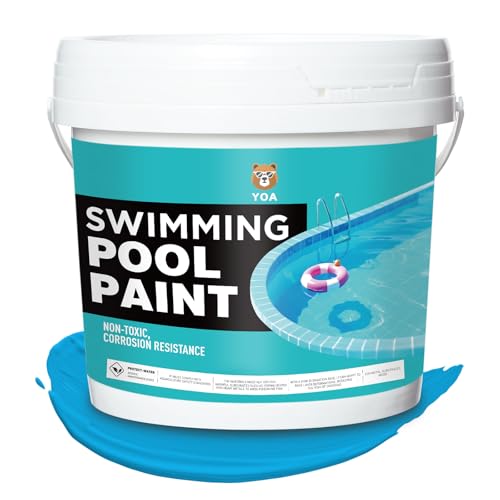
YOA Ocean Blue presents a DIY-friendly approach with detailed mixing and preparation guidance. The product targets multiple substrates, including cement and putty, making it flexible for varied pool projects. The guidance includes a 1:1 mixing ratio and stepwise instructions to blend the powder and liquid components, plus a suggested testing step to verify surface readiness. Best for: first-time pool paint projects or homeowners who want clear mixing directions. Caution: follow the exact mixing sequence and viscosity adjustments to avoid overly thick coatings, which can affect adhesion and finish quality.
Buying Guide
What should you consider before choosing royal blue pool paint?
- Surface compatibility: plaster, concrete, fiberglass, steel, or aluminum each respond differently to epoxy versus acrylic paints. Epoxies generally offer higher durability, while acrylics can be easier to apply and faster to cure.
- UV and chemical resistance: outdoor pools face sun exposure and chemical use. Look for formulas that resist fading, staining, and cracking.
- Finish and color depth: two-part epoxies often yield deeper, more uniform blues; waterborne acrylics provide brighter hues with easier cleanup.
- Application method and curing time: some products require careful mixing of catalyst and base; others emphasize quick-drying, multi-coat strategies. Follow manufacturer instructions for best results.
- Coverage: determine pool size to estimate the number of gallons and coats needed. Some products state coverage per gallon; plan for extra material on larger or textured surfaces.
How to prepare for painting a royal blue pool?
- Clean and remove grease, debris, and loose material from the surface.
- Sand smooth areas and repair any cracks or damage before applying paint.
- Test a small area to confirm adhesion and color depth before proceeding.
Practical tips for selecting a color that reads royal blue in water include testing a swatch or small area under natural light and considering the pool’s surroundings, lighting, and water chemistry. A deeper blue shade will often look more “royal” as it reflects more light from the water surface, while aqua tones appear lighter or brighter in sunlight.
FAQ
- Q: Which finish is best for a long-lasting blue pool color?
A: Two-part epoxy finishes typically offer superior durability and chemical resistance for outdoor pools, though proper mixing and curing are essential. - Q: Can I apply pool paint over an existing paint layer?
A: Surface preparation is critical. Remove loose coatings, repair cracks, and ensure the substrate is clean and dry before applying new paint. - Q: How many coats are usually needed?
A: Many waterborne acrylics require two coats for even color and adhesion; epoxy systems may achieve full color with a well-prepared single coat, depending on substrate texture. - Q: Is color fading a concern with royal blue paints?
A: UV-resistant formulas reduce fading; however, outdoor pools still experience sun exposure, so selecting a product with UV inhibitors is advisable. - Q: What about maintenance after painting?
A: Follow the manufacturer’s guidance for cleaning, chlorination levels, and routine inspections for wear, chipping, or cracking that may require touch-ups. - Q: Are these paints safe for DIY users?
A: Many products are marketed for DIY use, but ensure proper ventilation, surface preparation, and adherence to safety guidelines during mixing and application.