Finding the right water sealant for decks starts with matching your project with a sealer that protects, preserves natural wood color, and lasts. This guide highlights five trusted products ideal for American outdoor decks, fences, and siding. It explains who each product is best for, why it stands out, and practical limitations to consider. Whether you have new pressure-treated wood, composite decking, or weathered surfaces, these sealants help prevent water damage while keeping the natural texture visible. A quick buyer’s table is provided to compare core details at a glance.
| Product | Best For | Surface Type | Finish | Notes |
|---|---|---|---|---|
| Thompson’s Clear Wood Sealer | New or older wood decks | Wood, brick, concrete | Clear | Dries clear and maintains natural color |
| Thompson’s Multi-Surface Waterproofer Stain | Outdoor wood with color | Concrete, brick, exterior wood | Clear stain | Fade resistant finish |
| Seal-Once Marine Penetrating Sealer | Marine- or damp-exposed decks | Wood, docks, thermally modified wood | Clear | UV-stable, non-hazardous to aquatic life |
| Olympic WaterGuard Spray | Quick, even coverage | New or weathered wood | Clear to slightly tinted | Ready-to-use spray format |
| Roxil Wood Sealer Liquid | Clear natural wood look | Softwood, outdoor lumber | Clear | Deeply penetrates; long-lasting |
Thompson’s Clear Wood Sealer, Clear, 1 Gallon
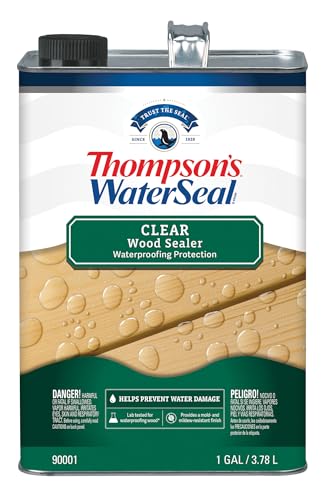
What it is best for: Sealing bare or previously finished wood to prevent water intrusion while preserving a natural look. This product is formulated as a wood sealer and also serves for brick or concrete waterproofing in a single coat. Best for homeowners who want a clear finish that doesn’t alter wood color.
Why it was selected: It provides a clear protective layer that guards against moisture without adding tint, making it ideal for decks where wood grain visibility matters. The multi-surface claim adds versatility for nearby masonry projects.
Limitations: It dries clear, which is great for color preservation, but may require reapplication as UV exposure continues. Not a tinted option, so it won’t alter appearance for color-changing designs.
Thompson’s Multi-Surface Waterproofer Stain, Clear
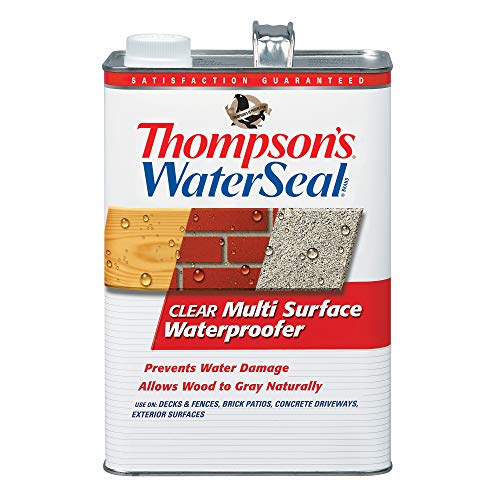
What it is best for: Outdoor wood surfaces where you want a clear stain that hides grain but enhances texture. Suitable for concrete, brick, and exterior wood, offering waterproofing and a durable finish with a clear appearance. Ideal for decks to maintain a natural wood feel.
Why it was selected: This product combines waterproofing with a clear stain, helping to lock in color while protecting against water and UV damage. The clear finish gives you a long-lasting, low-visibility color option for varied outdoor environments.
Limitations: It will hide grain to some extent while preserving texture, which may be less desirable if you want full wood grain visibility. Consider test applications on a small area first.
Seal-Once Marine Penetrating Wood Sealer

What it is best for: Decks near water, docks, and marine environments. Its UV-stable coating plus water resistance makes it a strong choice for wood exposed to salt spray, humidity, and constant moisture. Suitable for outdoor decks and other exterior wood surfaces near water.
Why it was selected: The marine formulation provides robust water protection while being non-hazardous to aquatic life, a consideration for waterfront installations. It’s particularly useful for decks that endure spray and splash from water bodies.
Limitations: Not recommended for hardwoods such as ipe, mahogany, or teak. Use on approved softwoods or engineered wood to ensure best performance.
Olympic WaterGuard Spray, 11 oz.

What it is best for: Quick, uniform coverage on new or weathered wood with a spray format. Useful for DIY projects where spray application saves time and effort.
Why it was selected: The ready-to-use spray is convenient for larger deck areas or handrail detailing. It provides a durable waterproof layer while letting the wood’s natural texture show through.
Limitations: Sprays may require multiple coats for complete coverage on rough or highly textured surfaces. Ensure ventilation and follow spray guidelines for best results.
Roxil Wood Sealer Liquid, Clear

What it is best for: Clear sealant for softwood and outdoor wood where a natural look is desired. Deep penetration helps protect against moisture without altering color significantly.
Why it was selected: It emphasizes deep penetration and long-lasting protection, making it suitable for decks that need durable moisture defense while preserving natural aesthetics.
Limitations: As with any clear sealer, color reinforcement is not provided if you want a tinted finish. Plan touch-ups to maintain uniform appearance over time.
Buying Guide: Key Considerations For Deck Sealants
- Verify if the sealer is formulated for wood only, or also for concrete, brick, or masonry nearby the deck. Some products offer multi-surface use.
- Decide between clear, tinted, or semi-transparent finishes. Clear sealers preserve natural wood color; tinted finishes add color and hide grain; semi-transparent balances both.
- Look for UV-stable formulas to prevent fading and a water-repellent barrier to resist rain, humidity, and splash.
- Penetrating sealers are typically better for softwoods, while surface film-forming options may suit certain woods and composites. Consider exposure level (coastal, inland, shaded).
- Sprays are quick for large areas; brushes or rollers provide control on climbing stairs or railings. Recoat intervals depend on sun exposure and wear.
- Check VOC levels and any environmental cautions. Marine or water-adjacent areas may favor non-hazardous-to-life options.
- Some products wear off faster in high-traffic zones. Plan regular reapplications and color checks to maintain protection and appearance.
FAQ
- Do I need to seal a new deck before staining? Sealing or staining is typically recommended after the wood has dried, following product directions for the exact wait time before applying protective finishes.
- Can I use clear sealers on treated lumber? Yes, many clear sealers are designed for pressure-treated wood, but verify the product’s compatibility for treated lumber in the usage guidelines.
- What’s the difference between a sealer and a stain? Sealers protect against moisture without changing color; stains add color and pigment while providing moisture protection.
- How often should I recoat a wooden deck? Recoat intervals depend on wear, weather, and product type. UV exposure and foot traffic often shorten intervals to yearly or multi-year cycles.
- Is a spray-on sealer as durable as a brush-on option? Sprays offer convenience but may require additional coats for complete protection on rough surfaces. Brush-on can provide deeper penetration on textured wood.
- Are marine sealers safe for plants and aquatic life? Some formulas are labeled non-hazardous to aquatic life; always check the safety data and follow local guidelines for outdoor use near water.