Maintaining personal hygiene after your period helps prevent irritation and infections while keeping you comfortable throughout the cycle. This guide provides practical, evidence-based steps for effective daily cleansing, along with recommended tools that support feminine hygiene.
Quick Answer
Key steps in brief: wash with mild, unscented soap and warm water, rinse thoroughly, and dry gently. Use a silicone menstrual cup cleaning brush or portable bidet bottle for targeted cleansing, and consider a reusable menstrual care kit for convenience. When traveling, a menstrual cup sterilizer travel case can keep items clean on the go.
What You’ll Need
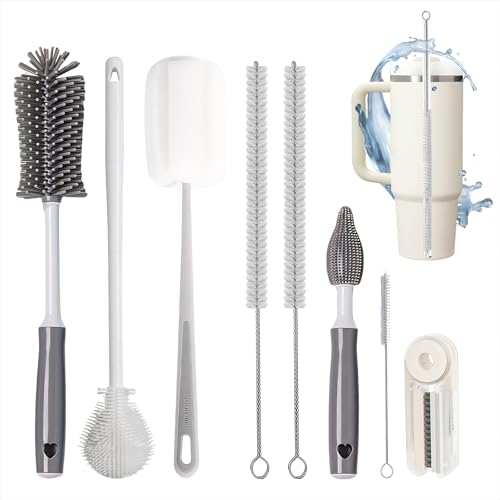
- Silicone menstrual cup cleaning brush
- Portable bidet bottle for feminine hygiene
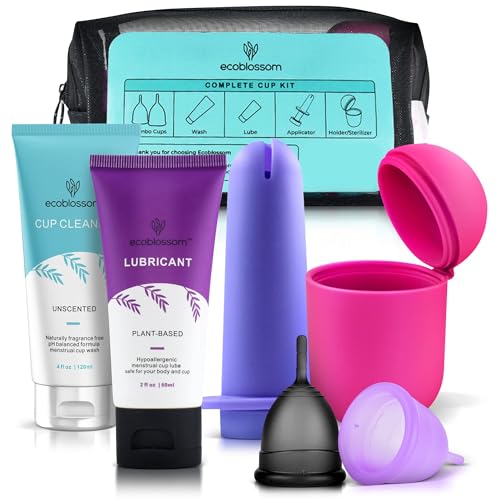
- Reusable menstrual care kit
- Menstrual cup sterilizer travel case
- Intimate hygiene wipes for period use

Before You Start
Before cleaning after a period, wash hands thoroughly with soap and warm water. Choose products labeled for intimate hygiene and free from fragrances or harsh chemicals to minimize irritation. For individuals using a menstrual cup, ensure the cup is sterile before reinsertion. If you have any persistent itching, burning, or unusual discharge, consult a healthcare professional and avoid self-diagnosis. Time estimates assume routine cleansing after a typical period flow.
Critical cautions: avoid aggressive scrubbing, scented soaps, and douches. These can disrupt the natural balance of vaginal flora and cause irritation.
Step-By-Step: How To Clean Yourself After Your Period
- Begin with clean hands. Wet your hands with warm water and apply a small amount of mild, unscented soap, then rinse well.
- Gently cleanse the external area. Use your fingertips to wash the vulva and surrounding skin with light, circular motions. Do not insert soap inside the vagina.
- Rinse thoroughly. Ensure all soap is washed away to prevent residue that could irritate sensitive skin.
- For internal cleansing after using a menstrual cup, use the silicone menstrual cup cleaning brush to rinse and clean the cup’s surface and crevices as recommended by the manufacturer.
- Use a portable bidet bottle for targeted cleansing. Hold the bottle at a comfortable angle and use a gentle stream to rinse the vaginal area from front to back, then pat dry with a clean towel.
- Dry the area completely. Gently pat the skin dry with a clean, breathable cloth or disposable wipe. Avoid rubbing the delicate skin.
- Disinfect reusable items if applicable. If you use a menstrual cup or other reusable tool, follow the product’s cleaning protocol prior to reuse. Consider a menstrual cup sterilizer travel case when traveling.
- Apply a protective balm if needed. If skin irritation occurs, apply a fragrance-free barrier balm or ointment recommended by a healthcare professional, avoiding products with fragrances or artificial colors.
- Store items properly. Keep reusable tools in a clean, dry case away from moisture and direct sunlight until their next use.
- Review your routine. If irritation persists beyond a few days, seek medical advice to rule out infections or dermatitis.
- Finish with hand hygiene. Wash hands again after completing the cleansing routine.
Troubleshooting
| Symptom | Likely Cause | Fix | Prevention |
|---|---|---|---|
| Itching after cleansing | Harsh soaps or fragrance exposure | Switch to gentle, fragrance-free products | Test new products on a small area first |
| Burning sensation after washing | Soap residue or overly aggressive rubbing | Rinse thoroughly and pat dry | Avoid scented products |
| Irritation around the vulva | Dry skin or sensitive skin type | Use a mild moisturizer designed for sensitive skin | Wear breathable underwear and avoid tight fabrics |
| Discomfort after using a menstrual cup | Cup not cleaned properly | Deep clean with the cup brush and follow sterilization steps | Regularly inspect cup integrity |
| Persistent unusual discharge | Possible infection | Consult a clinician promptly | Avoid self-diagnosis and seek testing |
Common Mistakes
- Using scented soaps or feminine hygiene sprays on the external area
- Cleaning inside the vagina with soap or douches
- Over-wiping or rubbing the delicate skin, leading to irritation
- Failing to dry the area completely before putting on underwear
- Neglecting to clean reusable menstrual tools according to instructions
Tips For Best Results
- Choose a mild, fragrance-free cleanser specifically formulated for intimate care
- Keep a dedicated bag or case for reusable tools to prevent contamination
- Rinse with lukewarm water rather than hot water to avoid drying skin
- Consider pairing cleansing routines with wipes designed for period use for quick refreshes
- Regularly replace wipes to maintain hygiene and prevent bacterial growth
- If using a portable bidet bottle, practice proper angle and pressure to avoid irritation
Call A Professional
Seek professional advice if there are signs of infection, persistent itching, unusual discharge, or pain during cleansing. Stop self-treatment if symptoms worsen or do not improve within a few days. Contact a healthcare provider for evaluation, diagnosis, and tailored guidance.
FAQ
How often should I clean after my period?
Daily cleansing is generally sufficient, with an emphasis on gentle cleansing and drying after each bathroom visit or fresh underwear change.
Can I use wipes for intimate hygiene during my period?
Yes, but choose wipes specifically labeled for intimate use and fragrance-free to reduce irritation risk.
Is it safe to use a menstrual cup cleaning brush for external cleansing?
The brush is designed for cleaning the cup itself; use mild soap and water for external areas and the brush only on the cup as directed.
What should I do if I experience irritation after using a portable bidet?
Stop using the bidet temporarily, rinse with water only, and switch to fragrance-free products. If irritation continues, consult a clinician.
Are reusable menstrual care kits worth it?
Reusable kits offer convenience and reduce waste, but choose items compatible with your routine and ensure easy cleaning and storage.
What signs require medical attention?
Seek care for severe or persistent itching, burning, unusual discharge, or pain during cleansing.
How should I store my hygiene tools when traveling?
Use a dedicated sterilized case or bag, ensure items are dry, and keep them away from direct heat or moisture.
Buying Guide
When selecting products for post-period cleaning, consider size, portability, and ease of use. A compact silicone menstrual cup cleaning brush should fit comfortably in a travel kit. A portable bidet bottle provides on-the-go cleansing without relying on restrooms alone. A reusable menstrual care kit helps keep everything organized and reduces waste. For travelers, a menstrual cup sterilizer travel case offers a practical way to maintain hygiene between uses. Intimate hygiene wipes should be fragrance-free and hypoallergenic for sensitive skin. Evaluate how each item integrates into your daily routine and travel plans, ensuring quick access and simple maintenance.
Buying Factors
Size and portability: Look for compact tools that fit in a purse or travel bag without bulk.
Noise level: If using a bidet bottle with a nozzle, consider models with quiet operation and adjustable pressure for comfort.
Energy efficiency: Manual options require no power, while electric options should prioritize energy-efficient features if used.
Controls: Favor simple, intuitive operation with clearly labeled instructions.
Placement: Store tools in a cool, dry place away from sunlight and moisture to extend life.
Considering multiple perspectives—ease of cleaning, travel-readiness, and skin sensitivity—helps in choosing the right set of products for after-period hygiene. Would you benefit from a bundled reusable kit or focusing on essential items first? A balanced approach often yields the best long-term value and comfort.