Microfiber upholstery offers a comfortable, stylish look, but keeping it clean requires specific care. This guide outlines a practical, step-by-step method using common tools and beginner-friendly techniques to restore fresh, stain-free fabric.
Readers will learn how to remove common spills, choose the right cleaning tools, and avoid damaging the delicate fibers. The approach focuses on safe, effective methods suitable for most American homes.
Quick Answer
Use a portable upholstery steam cleaner for microfiber along with a microfiber furniture cleaning cloths set and a microfiber stain remover spray. Start with a soft brush to loosen dirt, apply the stain remover, and use the steam cleaner with the cleaning attachment kit for best results. Dry thoroughly to prevent mildew.
What You’ll Need
- Portable upholstery steam cleaner for microfiber
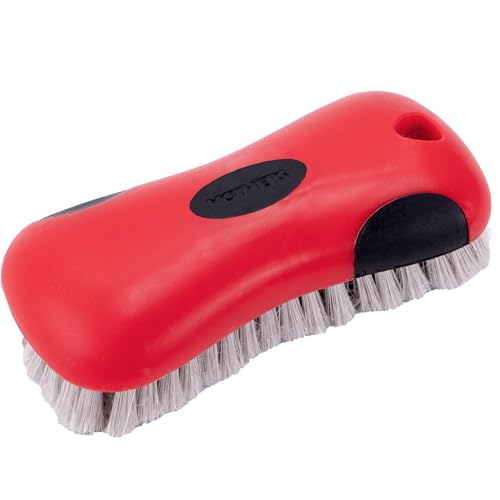
- Upholstery cleaning brush for microfiber sofa
- Microfiber stain remover spray for upholstery
- Cleaning attachment kit for upholstery steam cleaner
- Microfiber furniture cleaning cloths set


Before You Start
Read product instructions for the steam cleaner and attachment kit before use. Test any cleaner on a hidden area to ensure colorfastness. Work in a well-ventilated area and allow time for the fabric to dry completely. Avoid soaking the fabric to prevent wicking and water stains. Plan for about 1–2 hours of total time, including drying.
Step-By-Step: How To Clean Microfiber Upholstery
- Vacuum first: Use a vacuum with an upholstery nozzle to remove loose dirt and debris. This prevents grinding particles into fibers during cleaning.
- Loosen stains: Lightly brush with the upholstery cleaning brush for microfiber sofa to lift embedded dirt before applying cleaners.
- Apply stain remover spray: Treat spills and stains with the microfiber stain remover spray, following the product directions. Blot gently with a microfiber cloth; avoid rubbing hard.
- Prepare cleaning solution: If your spray is a ready-to-use cleaner, skip steps; otherwise mix a mild detergent with water as directed. Test the solution on a hidden area.
- Clean with steam and attachments: Use the cleaning attachment kit for upholstery steam cleaner and a compatible wand or brush attachment. Work in small sections, using even, overlapping strokes.
- Rinse and blot: If your cleaner requires rinsing, use the steam function without cleaner to extract moisture. Blot with clean microfiber cloths to remove residual dampness.
- Dry thoroughly: Allow fabric to air-dry completely. Keep pets and kids off the furniture until fully dry to prevent new stains.
- Fluff fibers: Once dry, gently brush the surface with a clean brush to restore the nap and blend in cleaned areas.
- Repeat if needed: For stubborn stains, repeat the stain treatment and cleaning cycle, ensuring complete drying between passes.
- Final check: Inspect for remaining stains or residue and treat again if necessary, using the gentlest method that yields results.
Troubleshooting
| Symptom | Likely Cause | Fix | Prevention |
|---|---|---|---|
| Stains reappear after drying | Stains wicked from under the surface | Re-treat affected area and blot dry with microfiber cloths | Avoid over-wetting; use minimal moisture |
| Fabrics feel stiff after cleaning | Leftover detergent residue | Rinse with clean water and blot thoroughly | Test rinse method on hidden area first |
| Fading or color transfer | Cleaner too strong or test ignored | Stop and test cleaner in a discreet spot; switch to milder solution | Always test before full application |
| Nap appears matted | Heavy brushing or improper drying | Lightly brush to lift fibers and ensure complete dry | Let furniture dry completely between passes |
Common Mistakes
- Over-wetting microfiber and leaving it damp for long periods
- Using harsh detergents or bleach on fiber surfaces
- Rubbing stains aggressively, which can damage nap
- Skipping a patch test on fabric colorfastness
Tips For Best Results
- Always vacuum before cleaning to remove loose soil
- Use a dedicated microfiber brush to prevent fabric abrasion
- Test cleaners in an inconspicuous area first
- Work in small sections to avoid over-wetting
- Use the steam cleaner with the appropriate attachment kit for best extraction
- Allow ample drying time and keep air circulating
Call A Professional
Consider a professional cleaner if upholstery has deeply set stains, persistent odors, or delicate fibers. Seek help if you notice dye bleeding, fabric damage, or if cleaning a large sectional without adequate ventilation could cause moisture issues.
FAQ
Can I use any microfiber stain remover spray on upholstery?
Choose a product labeled safe for microfiber; always test on a hidden spot first.
Is steam cleaning safe for all microfiber fabrics?
Most microfiber is steam-safe when used with proper settings and attachments; verify fabric care labels and manufacturer guidelines.
How long does it take microfiber upholstery to dry after cleaning?
Drying times vary with room temperature and airflow, typically 1–4 hours; ensure thorough drying before use.
Should I vacuum before or after cleaning?
Vacuum before cleaning to remove loose debris; you can vacuum again after drying to refresh fibers.
What if the stain returns after cleaning?
Repeat the stain treatment and cleaning process, ensuring the area is fully dry before reusing the furniture.
Buying Guide
The Buying Guide helps consumers compare options for cleaning microfiber upholstery, focusing on key factors that affect performance and ease of use.
Size and coverage: For larger sofas or sectional units, consider a portable upholstery steam cleaner with a larger water reservoir or extended hose for easier reach. Smaller furniture benefits from compact models that store easily.
Noise level: Steam cleaners vary in noise. If the space is open or near bedrooms, look for models with quieter operation or adjustable steam settings to minimize disruption.
Energy efficiency: Choose devices with energy-saving modes and efficient extraction to reduce running time and heat output.
Controls and usability: Look for simple interfaces, clear indicators, and attachment compatibility. A cleaning attachment kit for upholstery steam cleaner improves versatility for different fabrics and stains.
Placement and storage: Consider models with compact footprints and wall-hugging designs. A dedicated cleaning kit storage area helps keep brushes and cloths organized.
Materials compatibility: Ensure the kit includes soft brushes and lint-free microfiber cloths that are safe for microfiber furniture without abrading nap.
Maintenance: Check replaceable parts (brushes, seals, filters) and availability of refills or back-up cloth sets to maintain performance over time.
Value and warranties: Compare warranty terms and included accessories. A bundled kit with cleaning attachment options often provides better long-term value.