Slate tabletops offer a distinctive look and durable surface, but they require a gentle cleaning approach to maintain their natural sheen. This guide provides practical, step-by-step instructions using pH-neutral cleaners that are safe for slate, along with tips to prevent etching and staining.
The method here focuses on minimizing moisture and avoiding harsh chemicals that can dull the stone. By following these steps, homeowners can keep slate tabletops looking fresh without risking damage to the sealant or the stone itself.
Quick Answer
Use a pH-neutral slate cleaner, a soft cloth, and a soft-bristle brush for tough spots. Wipe up spills immediately, rinse with a damp cloth, and dry thoroughly. Avoid ammonia, vinegar, or abrasive pads that can harm slate finishes.
What You’ll Need
- slate countertop cleaner spray natural stone pH neutral 16 oz
- pH neutral slate cleaner for tables 32 oz
- microfiber cleaning cloth slate countertop cleaning 12×12
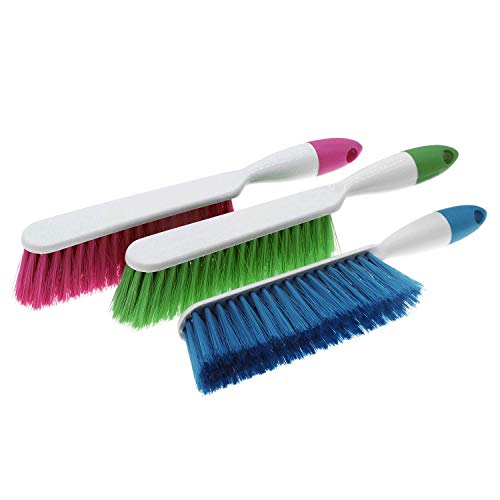
- soft bristle stone cleaning brush slate tabletop
- stone safe cleaner for slate surfaces spray bottle 16oz


Before You Start
Inspect the slate surface for hairline cracks or existing etching before cleaning. Test any cleaner in a small, inconspicuous area first to ensure compatibility. Work in a well-ventilated area and keep liquids away from wood trim or edges to prevent water damage. Time estimate: 15–25 minutes for routine cleaning; deeper cleaning may take longer if stains are present. Always read product labels for usage instructions and safety cautions.
Step-By-Step: How To Clean A Slate Table Top
- Clear the surface and remove any debris with a dry microfiber cloth.
- Lightly mist the slate with a pH-neutral slate cleaner according to the product label.
- Gently wipe the surface with a soft microfiber cloth in a circular motion to lift dirt.
- For stubborn spots, apply a small amount of cleaner to a soft bristle stone cleaning brush and scrub softly, avoiding harsh scrubbing that can scratch the stone.
- Rinse the area with a clean, damp microfiber cloth to remove cleaner residue.
- Dry the surface thoroughly with a dry microfiber cloth to prevent water spots and streaks.
- Pay special attention to edges and corners where moisture can pool; wipe them dry as well.
- For ongoing protection, periodically reapply a stone safe cleaner for slate surfaces following the label’s directions.
- Address spills immediately with a damp cloth, then dry to prevent staining.
- If a sheen is desired, buff the surface lightly with a clean, dry cloth after drying.
- Store cleaning products out of reach of children and pets, and keep lids tightly closed between uses.
Troubleshooting
| Symptom | Likely Cause | Fix | Prevention |
|---|---|---|---|
| Cloudy film after cleaning | Residue from cleaner | Wipe with a damp cloth to remove residue, then dry | Rinse thoroughly; use only pH-neutral cleaners |
| Streaks or water spots | Moisture left on surface | Dry immediately with a soft cloth | Dry surfaces thoroughly after cleaning |
| Etching or dull spots | Acidic cleaners or abrasive scrubbing | Switch to pH-neutral cleaners; use gentle motions | Avoid vinegar, lemon, or ammonia-based products |
| Scratches on surface | Rough brushing or abrasive pads | Cease abrasive methods; use soft brushes and cloths | Use protective coasters and avoid dragging items |
Common Mistakes
- Using acidic cleaners like vinegar or lemon juice on slate
- Scrubbing with abrasive pads or stiff brushes
- Over-wetting the surface or letting water pool on corners
- Neglecting to dry the surface after cleaning
Tips For Best Results
- Establish a routine cleaning schedule to prevent buildup before it becomes stubborn.
- Test every cleaner in an inconspicuous area first to ensure compatibility.
- Keep a dedicated spray bottle of pH-neutral cleaner labeled for slate to simplify routine cleaning.
- Use a microfiber cloth to minimize lint and streaks, and wash the cloth after use to prevent transfer of dirt.
- Place protective mats under hot dishes or plates to reduce thermal stress on the slate.
Call A Professional
Consider a professional if the slate shows deep staining, severe etching, or visible grout or filler damage around the edges. If you notice persistent dulling after repeated cleanings, or if a previous sealer has worn away, consult a stone care professional for resealing or refinishing options.
FAQ
Can I use boiled water to clean slate?
Boiled or hot water can help lift grime but should be used sparingly; avoid exposing slate to sudden temperature changes that could cause cracks.
How often should I seal slate tabletops?
Sealing frequency depends on usage and sealant type; follow the manufacturer’s guidance and reassess if water no longer beads on the surface.
Are there eco-friendly cleaners for slate?
Yes, look for pH-neutral, stone-safe cleaners designed for natural stone, and avoid harsh solvents or phosphates.
Can I use a steam cleaner on slate?
Steam can penetrate stones and potentially damage seals; avoid steam cleaners unless the manufacturer approves.
Buying Guide
Choosing the right slate care products involves balancing effectiveness, safety, and ease of use. When evaluating cleaners, look for pH-neutral formulas specifically labeled for slate or natural stone, as these minimize the risk of etching or dulling the surface. Consider whether you prefer ready-to-use sprays or concentrate formulas, and whether a spray bottle keeps your routine simple. For larger tables, you might want a 32 oz option to reduce refills, while smaller homes can suffice with a 16 oz bottle.
Key factors include size, noise level of any cleaning tools, and compatibility with existing sealants. A microfiber cleaning cloth slate countertop cleaning 12×12 is lightweight and effective for quick maintenance, while a soft bristle brush helps tackle textured areas or grout lines without scratching. Storage practicality matters as well; select bottles with Child-Safety caps and clear labeling to prevent misuse around pets or kids.
Placement considerations involve protecting nearby wood furniture and ensuring spill containment during cleaning sessions. If your slate is in a high-traffic kitchen or an outdoor dining area, prioritize durable, water-efficient products and consider resealing needs more frequently. Finally, read product labels to confirm suitability for slate surfaces and to follow any required dwell times or ventilation guidelines.