Fungus gnats are a common nuisance in vegetable gardens, especially in warm, damp conditions. They primarily affect seedlings and young plants by feeding on roots and organic matter in the soil. This guide provides practical, actionable steps using common garden products to reduce populations, protect your crops, and maintain healthy soil.
Quick Answer
Contain moisture, trap adults, and target larvae with biological controls. Start with yellow sticky traps, reduce soil dampness, apply BTI-based products, and consider beneficial nematodes for long-term suppression.
What You’ll Need
- Yellow sticky traps fungus gnats garden outdoor or similar yellow cards to catch adults
- Fungus gnat trap cards yellow garden for quick monitoring and reduction
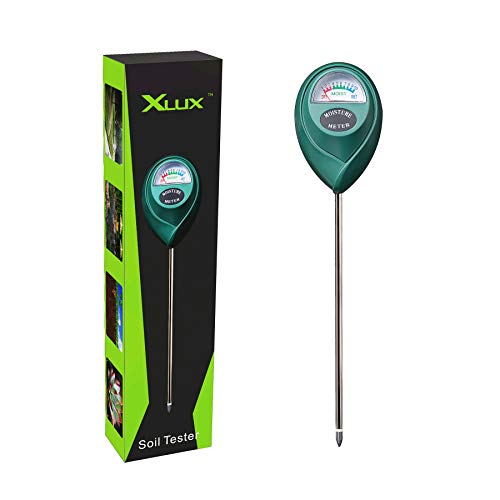
- Soil moisture meter for garden to prevent fungus gnats to maintain proper watering
- Beneficial nematodes for fungus gnats garden biological control for soil-dwelling larvae
- BTI mosquito dunks fungus gnat control garden to target larvae in soil


Before You Start
Assess your garden: gnats thrive in moist, organic-rich soils. Begin on a calm day to apply treatments after watering, when adults are active but plants aren’t stressed. Safety notes: wear gloves when handling soil amendments and follow product labels. Time estimates: initial setup 30–60 minutes; ongoing prevention 5–15 minutes weekly.
Critical cautions: do not overwater, avoid heavy soil compaction, and keep garden beds weed-free to reduce breeding sites.
Step-By-Step: How To Get Rid Of Fungus Gnats In The Vegetable Garden
- Identify hot spots by observing soil surface and monitoring with yellow sticky traps placed at plant level.
- Reduce watering immediately in affected beds to discourage larval development.
- Cover seedling trays with a lightweight screen to limit adult access while preserving airflow.
- Apply BTI-based products (such as mosquito dunks) to irrigation water or soil according to label directions to kill larvae.
- Introduce beneficial nematodes to affected beds after moistening the soil; follow label timing for best results.
- Place yellow sticky traps along rows and near plant bases to capture adults and lower mating chances.
- Improve drainage and elevate pots or raised beds to reduce persistent dampness where gnats thrive.
- Remove decaying organic matter, debris, and overcrowded mulch that provide food for larvae.
- Recheck soil moisture with a meter; maintain consistently moist-to-dry cycles rather than soggy conditions.
- Rotate crops and avoid planting highly susceptible varieties in previously infested areas for one season.
- Reapply BTI or nematodes as recommended to sustain suppression during vulnerable growth stages.
- Monitor weekly and adjust irrigation, trap placement, and biological controls as populations decline.
Troubleshooting
| Symptom | Likely Cause | Fix | Prevention |
|---|---|---|---|
| Many adult gnats despite traps | Continuous breeding due to overwatering | Wait to water, allow topsoil to dry between irrigations | Water plants in the morning to allow surface to dry by evening |
| Larvae in root zone persist after BTI | BTI not reaching larvae or misuse | 2–3 applications per label and ensure proper soil moisture for activity | Combine BTI with nematodes for deeper reach |
| Traps show few captures | Low adult activity or incorrect trap placement | Move traps to plant canopy level and near infested beds | Place traps on a consistent grid across the garden |
| Leaves yellowing without other pests | Root damage from gnats or overwatering | Check soil moisture and consider repotting if root rot is present | Improve drainage and avoid waterlogged soils |
Common Mistakes
- Overwatering while trying to suppress gnats, which fuels larvae.
- Miscalculating when to apply BTI or nematodes; timing matters for effectiveness.
- Relying on traps alone without addressing soil moisture and habitat.
- Neglecting to remove decaying plant matter that serves as breeding ground.
Tips For Best Results
- Pair yellow sticky traps with regular monitoring to gauge population trends.
- Keep a consistent irrigation schedule that dries the top inch of soil between watering sessions.
- Use BTI products in soil drenches or integrated into sprinkler systems as directed.
- Time beneficial nematode applications for cooler, moist conditions when larvae are most active.
- Combine cultural controls with biological methods for a layered approach.
Call A Professional
Consider professional help if gnats persist after several weeks of integrated control, if your plants show severe root damage, or if you have a large garden bed with repeated outbreaks. Signs to seek expert assistance include widespread plant decline despite routine treatment or the appearance of unusual pests alongside gnats.
FAQ
Are fungus gnats harmful to edible crops?
They primarily affect seedlings by feeding on roots but can stress established plants if populations are high.
Will yellow sticky traps eliminate fungus gnats?
Traps help monitor and reduce the adult population but should be used with moisture management and soil treatments for best results.
When should I apply BTI products?
Apply when adults are present and larvae are in the soil; follow label directions for dilution and timing.
Can beneficial nematodes be used indoors and outdoors?
Yes, they are effective in both settings when soil conditions are moist and temperatures are suitable.
How long does it take to see improvement?
Most gardens show changes within 2–6 weeks with consistent use of cultural and biological controls.
Is soil moisture the only factor in fungus gnat outbreaks?
No; breeding is favored by decaying matter, poor drainage, and warm, humid conditions, so address all factors.
Should I rotate crops to manage gnats?
Cropping rotation can help, especially in beds with repeated issues; plan diverse crop families to disrupt life cycles.
Buying Guide
When selecting products and tools to combat fungus gnats, consider size, placement, and compatibility with your garden setup:
- <bTraps: Yellow sticky traps are easy to place along rows or near plant bases; choose cards with sticky resin that lasts through moisture exposure.
- <bBiological controls: BTI mosquito dunks and beneficial nematodes offer soil-targeted control; verify species specificity and application windows for container gardens versus in-ground beds.
- <bSoil moisture meters: A reliable soil moisture meter helps maintain optimal irrigation, reducing breeding sites.
- <bApplication compatibility: Ensure products are labeled for vegetable gardens and edible crops; read interval requirements and reapplication timing.
- <bSafety and storage: Store products away from children and pets; follow label safety instructions for handling and disposal.
- <bPlacement: Use a mix of surface traps and soil-based treatments; place traps at plant height and identify hotspot zones.
For many gardeners, the best approach blends monitoring, moisture management, and targeted biological controls. Would you like help tailoring a step-by-step plan based on your bed sizes and crop types?