Chocolate mishaps happen, but removing them from fabrics doesn’t have to be a headache. This guide provides a practical, step-by-step approach tailored for common household fabrics in the United States. From everyday clothing to upholstery, readers will learn proven methods that protect fibers and preserve color.
Quick Answer
Act quickly to blot, treat with a suitable stain remover, and launder according to fabric care labels. For delicate or upholstery fabrics, test a hidden area first, then use targeted stain removers and air dry away from heat.
What You’ll Need
The following tools and products cover typical chocolate stains on various fabrics. Use the items most appropriate for the material you’re treating.
- Enzyme laundry stain remover suitable for chocolate on most fabrics
- Chocolate stain remover for fabric or a targeted fabric pen remover
- Color-safe fabric stain remover for chocolate on cotton clothes
- Prewash stain stick designed for chocolate stains on apparel
- Upholstery fabric stain remover chocolate spray for fabric furniture

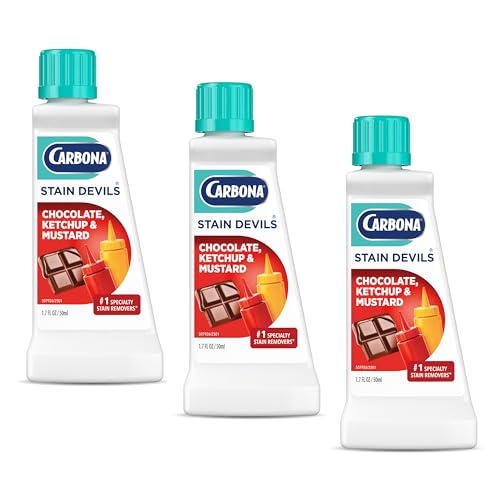
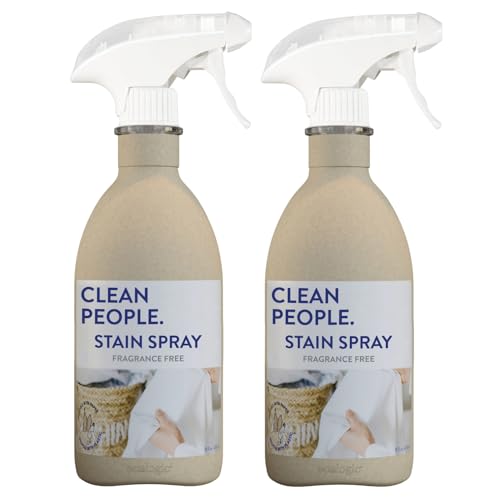
Before You Start
Prepare the area with a clean towel or old cloth to catch any runoff. Check fabric care labels for heat and water temperature guidance. For most cottons and synthetics, cold to warm water works well, while delicate fabrics may require cool water and minimal agitation. Avoid using hot water or putting stained fabrics in the dryer until the stain is fully removed, as heat can set the chocolate pigment. If a stain is set or appears stubborn, consider repeating the treatment before moving to drying.
Step-By-Step: How To Remove Chocolate From Fabric
- Blot the excess chocolate gently with a clean cloth; avoid rubbing, which can embed the stain deeper into fibers.
- Flush the stain with cold water from the back to push chocolate out of the fabric weave.
- Apply a enzyme laundry stain remover directly to the stain and let it sit for a few minutes, following label directions.
- For color-safe fabrics, use a color-safe fabric stain remover and gently work the product into the stain with a soft brush or cloth.
- If using a prewash stain stick, rub it gently onto the stained area until fully coated, then let sit for several minutes.
- Rinse the treated area with cool water, then launder as directed on the fabric care label in the warmest water safe for the fabric.
- Check the stain before drying. If any residue remains, repeat the treatment or switch to a different remover designed for chocolate stains.
- For upholstery, blot with a damp cloth and apply an upholstery fabric stain remover chocolate spray, working from the outside of the stain toward the center. Blot dry with towels and let air dry.
- Air dry completely and inspect again. Do not use a dryer until the stain is gone to prevent heat setting.
- If the stain persists on cotton or synthetic fabrics, consider a second round with a slightly stronger enzyme cleaner or a dedicated fabric pen stain remover.
- For persistent or old chocolate stains on delicate fabrics, consult the product’s label or seek professional cleaning guidance.
Troubleshooting
| Symptom | Likely Cause | Fix | Prevention |
|---|---|---|---|
| Stain remains after washing | Chocolate residue is deeply embedded | Repeat treatment with enzyme remover or fabric pen stain remover | Pre-treat immediately; avoid rubbing the fabric |
| Discoloration after removal | Overuse of cleaners or improper water temperature | Switch to a color-safe remover and rinse with cold water | Test on hidden area first; follow label directions |
| Stain on upholstery seems permanent | Fabric fibers trap pigment; dye bleeding | Use upholstery-specific chocolate spray and blot gently | Avoid over-wetting and heat exposure |
| Fading on cotton after wash | Overly aggressive chemical or high heat | Switch to milder enzyme cleaner and cooler water | Use color-safe products on colored fabrics |
Common Mistakes
- Rubbing the stain aggressively, which spreads it further
- Using hot water on protein-based stains like chocolate
- Drying before the stain is fully removed, which can set pigment
- Ignoring fabric care labels and trying a one-size-fits-all approach
Tips For Best Results
- Test any cleaner on a hidden area first to avoid color loss or damage
- Prompt action yields the best outcomes; the sooner you treat, the easier the stain
- Pair enzyme cleaners with cold or warm water as recommended for the fabric type
- For upholstery, use light blotting motions rather than scrubbing to protect fibers
- Combine multiple methods only if necessary and compatible with the fabric
Call A Professional
Seek professional cleaning if the stain remains after multiple attempts, or if the fabric is expensive, antique, or delicate (such as silk, wool, or velvet). If water damage or dye bleed occurs, a pro can help preserve texture and color and reduce risk of permanent staining.
FAQ
Can chocolate stains be removed from any fabric?
Most common fabrics respond to enzyme cleaners, color-safe removers, and prewash sticks, but some delicate or specialty fabrics may require professional care.
Is it safe to use a fabric stain pen on all fabrics?
Fabric pens are effective on many fabrics, but always test first and follow product directions for best results.
Should I wash the garment immediately after applying stain remover?
A quick wash helps, but ensure the stain is treated and not fully set before drying.
What if the stain returns after washing?
Repeat cleaning steps with a different product or consult a professional if necessary.
Buying Guide
When choosing products to tackle chocolate stains, consider several factors that affect performance and fabric safety. Size matters for household coverage; larger bottles offer convenience for frequent stains, while spray bottles and sticks target specific areas. Noise level and energy efficiency are not typically concerns for stain removers, but ease of use and quick acting power are important for busy households.
Size and Form
Enzyme cleaners and color-safe removers come in liquids, sprays, and sticks. For spot removals on fabrics, sprays and pens offer precise application, while liquids are versatile for laundering.
Effectiveness And Fabric Type
Color-safe formulas work well on cotton and most blends, whereas enzyme-based products are broadly effective on organic stains like chocolate. Delicate fabrics may require milder formulas or professional care.
Application And Convenience
Look for products that are easy to apply to stains, have clear usage instructions, and work quickly. Prewash sticks are convenient for on-the-go touch-ups, while upholstery sprays help treat furniture without removing cushions.
Placement And Care
Apply stain removers before washing and ensure fabrics are compatible with water-based cleaning. For upholstery, avoid saturating the fabric and allow adequate air-drying time to prevent mold or odor.
Final Thoughts
With the right approach, chocolate stains on fabrics can be removed effectively without damaging fibers or colors. By following the step-by-step method, selecting appropriate products, and testing on hidden areas, most chocolate mishaps can be resolved at home.