Green pool water is a common issue caused by algae growth and imbalanced chemistry. With a structured approach, pool owners can restore clarity, protect equipment, and enjoy a safe swimming environment. The following guide outlines practical steps, the right products, and troubleshooting to transform murky water back into sparkling blue.
Quick Answer
Test the water to determine pH, alkalinity, and sanitizer levels. Immediately shock with chlorine or a non-chlorine oxidizer, then use an algaecide and clarifier. Run the pump continuously, brush surfaces, and vacate debris. Re-test and adjust chemistry until the water is clear.
What You’ll Need
The following tools and chemicals are recommended to treat green water and prevent a recurrence. The list prioritizes products designed for backyard American pools and uses common pool maintenance terminology.
- Chlorine shock granules for swimming pools
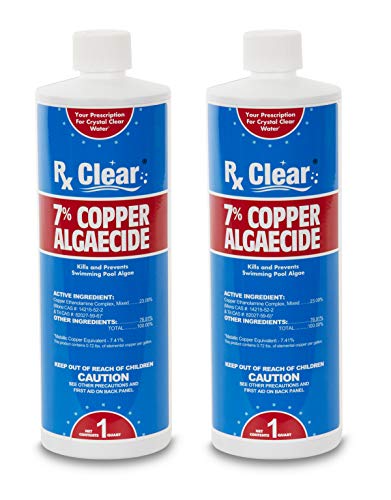
- Algaecide copper-free for swimming pools
- Phosphate remover for swimming pools
- Pool test strips 5-in-1 kit
- Pool clarifier for green water treatment


Before You Start
Before chemical treatment, prepare the area and establish safety measures. Clear the deck of toys and debris, ensure pets and children are kept away from the pool during shocking, and confirm all safety gear is available. Establish a realistic time frame—water clearing typically spans 24 to 72 hours, depending on pool size and severity. Never mix chemicals outside manufacturer instructions, and avoid over-shocking, which can damage liners and equipment.
Step-By-Step: How To Clear Green Pool Water
- Test water chemistry with the pool test strips 5-in-1 kit to measure pH, total alkalinity, chlorine, calcium hardness, and cyanuric acid. Record baseline readings for reference.
- Balance pH and alkalinity adjust pH toward 7.2–7.6 and alkalinity within the recommended range for your pool type. Proper balance improves sanitizer effectiveness and prevents scaling.
- Shock the pool using chlorine shock granules for swimming pools. Follow label directions for dosing based on your pool size and current chlorine level. Add gradually and distribute evenly around the pool perimeter.
- Run the filtration system with the pump on high for at least 24 hours or longer if needed. This helps circulate the sanitizer, clarifier, and oxidizers through the entire system.
- Apply algaecide pour an algaecide copper-free for swimming pools directly into the water, focusing on areas with visible algae growth. This helps eradicate residual spores and prevents new growth.
- Use phosphate remover to bind and remove phosphates, which feed algae. This step reduces the chance of a rebound bloom after the shock treatment.
- Add clarifier pool clarifier for green water treatment helps fine particulates coalesce for easier filtration. Circulate for several more hours while monitoring clarity.
- Brush and vacuum thoroughly brush pool walls, floors, ladder steps, and baskets. Vacuum the entire pool to remove settled algae and debris, then backwash or clean the filter as needed.
- Re-test and adjust test chlorine, pH, and alkalinity again. Repeat dosing or adjustments as necessary until the water clears and chemistry remains balanced.
- Maintain routine monitoring once water is clear, set a regular schedule for testing (2–3 times per week during initial weeks) and maintain proper sanitizer and phosphate control.
- Prevent recurrence establish a preventive routine: run the filter longer after use, keep phosphates low, and use a weekly dose of algaecide during peak season if needed.
Troubleshooting
| Symptom | Likely Cause | Fix | Prevention |
|---|---|---|---|
| Water remains green after shock | Insufficient chlorine residual or poor circulation | Re-shock and run pump continuously; verify filter is clean | Regular shocking during heavy usage |
| Cloudy water | Fine particulates not yet filtered | Increase clarifier dose and keep filter running; brush surfaces | Keep filtration system clean; backwash as needed |
| Algae returns quickly | Phosphates present or insufficient algaecide | Apply phosphate remover and maintain algaecide schedule | Test phosphate levels periodically and maintain sanitizer |
| pH drifts high or low | Imbalanced chemical dosing | Adjust pH with appropriate products and retest | Monitor after each chemical addition |
Common Mistakes
- Underestimating the amount of shock needed for a large or heavily contaminated pool
- Relying on a single treatment instead of a full chemistry correction
- Using copper-based algaecide if you have a metal-based filter or scale risk
- Skipping regular testing after the water starts to clear
- Using water clarification products without proper circulation
Tips For Best Results
- Test water at least twice during the treatment process to fine-tune dosing
- Keep the pool pump running 24/7 during active treatment for optimal circulation
- Brush all surfaces to dislodge algae from hidden crevices
- Backwash or clean the filter frequently to prevent clogging
- Schedule a preventive routine in warm months to minimize green water outbreaks
Call A Professional
Consider professional help if: persistent green water after multiple treatments, heavy staining, cloudy water that won’t clear after 72 hours, or persistent chemical readings outside the safe range. Signs that warrant a pro include unusual odors, leaks, or equipment malfunctions that hinder filtration and chemical distribution.
FAQ
What causes green pool water?
Green water is typically caused by algae blooms fueled by imbalanced chemistry, specifically high phosphates, inadequate sanitization, and insufficient filtration.
How often should I test pool water?
Test at least 2–3 times per week during treatment and 1–2 times per week for maintenance, adjusting chemicals as needed.
Is copper-free algaecide essential?
Copper-free formulations help reduce algae without staining or metal buildup, making them safer for most pools.
How long does it take to clear green water?
Clearing times vary; most pools show improvement within 24–72 hours with proper shocks, clarifiers, and filtering.
Buying Guide
When shopping for products to fight green water, consider size, water chemistry needs, and ease of use. Key factors include:
- Size and dosing: Choose chlorine shock granules and algaecides labeled for your pool volume. Accurate dosing speeds recovery.
- Water chemistry impact: Phosphate removers and copper-free algaecides help manage nutrients and metal exposure; compatibility with existing equipment matters.
- Test accuracy: A reliable pool test strips 5-in-1 kit is essential for tracking pH, alkalinity, chlorine, calcium, and cyanuric acid.
- Filtration compatibility: Clarifiers work best with clean, well-functioning filters; ensure your pump and filter can handle the workload.
- Noise and placement: For above-ground vs inground pools, consider pump noise and the location of chemical storage to minimize disruption and ensure safety.
In practice, a balanced approach combines precise dosing, consistent testing, and proper circulation. Do you want a simple starter kit or a more advanced set with multiple maintenance products? Align choices with your pool type, climate, and maintenance routine to keep water clear and inviting.