Foam materials, including memory foam and polyurethane foam, require careful cleaning to preserve their structure and longevity. This guide provides practical steps for removing stains, refreshing cushions, pillows, and mattresses without compromising foam integrity.
Quick Answer
Quick Method: Blot away moisture, apply a foam-safe cleaner, gently work with a soft brush, and air dry completely. For delicate fabrics like memory foam, use a mild detergent spray and avoid soaking. Always test a small hidden area first.
What You’ll Need
- Memory foam mattress cleaner spray
- Polyurethane foam upholstery cleaner for cushions
- Memory foam pillow cleaner gentle detergent spray
- Foam cushion stain remover liquid
- Foam mattress cleaning solution safe for memory foam


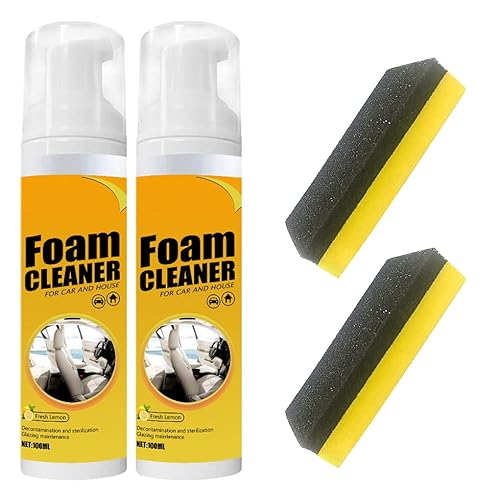
Before You Start
Safety is essential when cleaning foam. Ensure the area is well ventilated and away from heat sources. If the foam is heavily soiled or has lingering odors, consider repeating the treatment in stages. Do not saturate foam; excessive moisture can lead to mold growth and permanent damage. Time estimates vary by item but expect 1–4 hours for thorough spot cleaning and drying, or longer for larger mattresses.
Critical cautions: Never use harsh solvents or heat to dry foam. Avoid rubbing aggressively; instead, blot and gentle brush to lift stains. If you or the occupant has allergies, choose fragrance-free cleaners.
Step-By-Step: How To Clean Foam
- Identify the foam type and choose a compatible cleaner label, such as memory foam mattress cleaner spray or foam mattress cleaning solution safe for memory foam.
- Blot the area with a clean cloth to remove surface moisture. Do not rub, which can push stains deeper.
- Prepare a light cleaning solution follow product directions; usually a mild detergent spray or stain remover liquid works well on foam cushions.
- Test in an inconspicuous spot to ensure no discoloration or material degradation occurs.
- Apply cleaner evenly to the stained or soiled area, avoiding oversaturation. Use a soft brush or cloth to work the solution in gently.
- Rinse with minimal moisture if the cleaner requires rinsing, use a damp cloth to remove soap residue without soaking the foam.
- Air dry completely in a well-ventilated area. For cushions, place on a breathable surface; for mattresses, prop on edges to improve airflow.
- Assess and repeat if needed for stubborn stains, repeating the appropriate cleaner and drying steps in stages.
- Final freshening after drying, lightly mist with a foam-safe spray to refresh the surface if desired, avoiding saturation.
- Restore shape and softness once dry, gently fluff cushions and rotate or flip memory foam mattresses to maintain even wear.
- Prevent future stains apply a protective posture or consider a washable cover to simplify future cleanups.
Troubleshooting
| Symptom | Likely Cause | Fix | Prevention |
|---|---|---|---|
| Stain remains after cleaning | Deep-set stain or insufficient contact | Reapply cleaner and gently agitate with a soft brush | Address stains promptly; avoid letting spills set |
| Foam feels stiff after drying | Overly harsh cleaner or over-drying | Brush lightly, air out in a warm area | Use milder solutions and avoid heat |
| Musty odor persists | Moisture retained inside foam | Increase airing time and consider a dehumidifier | Prevent soaking and ensure complete drying |
| Color transfer when cleaning | Cleaner not compatible with foam color | Stop and test with an alternative product | Patch-test always |
Common Mistakes
- Using too much liquid on foam or soaking through to the core
- Choosing cleaners not labeled for memory or polyurethane foam
- Rubbing aggressively, which can damage the foam’s structure
- Skipping final drying, leading to mold or odors
Proper technique is essential to maintain foam integrity and extend the life of cushions and mattresses.
Tips For Best Results
- Always perform a patch test before treating a larger area.
- Work in a well-ventilated space to speed up drying and reduce chemical odors.
- For memory foam, prefer gentle detergents and avoid strong solvents.
- Rotate or flip cushions regularly to ensure even wear and cleaning exposure.
Call A Professional
Consider professional cleaning if foam shows persistent odors, staining deep within the core, or if the item is large or valuable. Stop cleaning and consult a pro if you notice any damage to the foam structure, soft spots, or delamination.
FAQ
Can I machine-wash memory foam pillows?
Most memory foam pillows should not be machine-washed; use a gentle detergent spray and spot clean following label directions.
Is it safe to use spray cleaners on memory foam?
Yes, but choose products labeled for memory foam and test on a hidden area first.
How do I dry foam quickly after cleaning?
Air dry in a warm, ventilated space and avoid direct heat; prop cushions to improve airflow.
What if stains reappear after drying?
Repeat cleaning with a fresh area and consider applying a protective cover for easier future cleaning.
Buying Guide
When selecting foam cleaning products, consider size, surface compatibility, and scent. Look for foam-safe formulas designed for memory foam or polyurethane foam upholstery. Check instructions for recommended contact time and drying guidance. Choosing a stain remover compatible with the foam type helps protect integrity while delivering visible results. For households with multiple foam items, a versatile spray that works across mattresses, cushions, and pillows can simplify maintenance.