Green moss on concrete not only looks unsightly but can make walking surfaces slippery. This guide covers practical, safe methods to remove moss from driveways, patios, and sidewalks using common tools and consumer products available in the United States. The steps balance effective cleaning with protecting the concrete surface from damage.
Readers will learn a straightforward process, the tools needed, safety considerations, and how to prevent relapse. Whether you’re dealing with a small patio patch or a large driveway, following these steps can restore traction and curb appeal.
Quick Answer
Attack moss with a combination of mechanical scrubbing and chemical or enzymatic solutions, then rinse thoroughly. Start with a high-pressure rinse, apply a moss killer or patio remover spray, scrub with a concrete surface cleaner with a scrub brush, and repeat as needed. Finish with a thorough rinse and consider sealing to prevent future growth.
What You’ll Need
- Moss killer for concrete driveway
- Patio moss remover spray for concrete
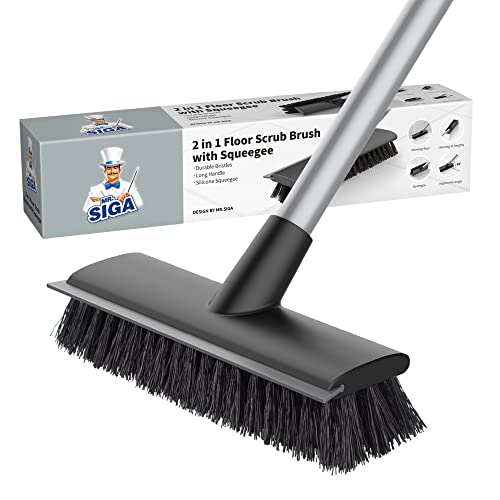
- Concrete surface cleaner with scrub brush
- Concrete cleaning brush set for moss removal
- Pressure washer for concrete cleaning


Before You Start
Before beginning, clear the area of potted plants, furniture, and loose debris. Wear protective gloves, eye protection, and long sleeves. If you’re using a chemical moss killer, follow the label directions and keep pets and children away during application. For porous concrete, test a small inconspicuous area first to confirm colorfastness. Time estimates vary by surface size; plan for 2–6 hours including drying time. Avoid using bleach on metal surfaces or plants nearby, and never mix cleaners unless the label permits it.
Step-By-Step: How To Remove Green Moss From Concrete Surfaces
- Prepare the area and choose the cleaning method. Decide whether to use a spray-based moss remover or a brush-based approach, depending on the severity of moss and your surface.
- Rinse the area with a high-pressure spray. A pressure washer for concrete cleaning helps remove loose moss and debris before applying cleaners.
- Apply a suitable moss solution. Use moss killer for concrete driveway or patio moss remover spray for concrete on the affected zones. Apply evenly and saturate the mossy patches.
- Let the solution dwell. Wait the recommended time on the label to allow the product to penetrate and kill moss spores.
- Scrub the surface. Use a concrete surface cleaner with scrub brush or a dedicated concrete cleaning brush set for moss removal to physically lift moss and stains.
- Rinse thoroughly and inspect. Use the pressure washer for a final rinse, ensuring all cleaning residues are washed away.
- Repeat if necessary. For stubborn patches, reapply the solution and scrub again, then rinse until the area looks clean and dry.
- Dry and protect. Allow the surface to dry completely. Consider applying a concrete sealant to reduce future moss growth and water penetration.
- Clean surrounding areas. If moss has spread to adjacent surfaces, repeat the process to prevent recontamination of the treated area.
- Store tools safely. Rinse brushes and save cleaning agents in labeled containers out of reach of children and pets.
- Document maintenance. Take a photo after cleaning to track moss regrowth over time and adjust maintenance routines accordingly.
- Schedule seasonal checks. Moss tends to reappear in damp, shaded locations; plan periodic cleanings in spring and fall.
Troubleshooting
| Symptom | Likely Cause | Fix | Prevention |
|---|---|---|---|
| Moss returns within weeks | Moist, shaded areas with poor drainage | Improve drainage and inspect for shaded areas; reapply moss killer as needed | Trim overhanging branches; install drainage or improve surface slope |
| Discoloration after cleaning | Overly aggressive cleaners or bleach on concrete | Rinse thoroughly and test in a small area before reapplying; switch to milder cleaner | Use products designed for concrete surfaces |
| Surface roughness or etching | Harsh chemical or high-pressure use on delicate concrete | Back off pressure slightly and choose gentler cleaners | Use a soft brush in combination with milder products |
| Patches resist cleaning | Dense moss growth in porous concrete | Apply a longer dwell time and repeat scrubbing | Seal the surface after cleaning |
Common Mistakes
- Using household bleach or harsh acids on concrete, which can cause discoloration or damage.
- Over-saturating porous concrete without proper rinsing, leading to surface residue and slippery patches.
- Not testing a small area before full application of moss killers.
- Skipping safety gear or leaving pets and kids near treated areas too soon.
Tips For Best Results
- Schedule cleaning on dry, mild days to ensure thorough drying and prevent re-growth.
- Work from the outer edges of patches toward the center to minimize spreading moss
- Use a stiff-bristle brush in a consistent, circular motion to lift moss fibers effectively
- Combine products wisely: a spray for initial kill plus a brush for mechanical removal often yields the best results
- Seal or reseal concrete after cleaning to reduce future moss retentions
Call A Professional
Consider a professional if moss covers a large area, the concrete shows significant cracking, or you need to protect delicate finishes. Stop signs include persistent moss after multiple cleanings, strong mold odors, or signs of underlying damage. A pro can assess drainage, substrate integrity, and appropriate sealant options, ensuring long-term durability and safety.
FAQ
Can I use household cleaners to remove moss from concrete?
Household cleaners may work for light moss, but specialized moss killers or patio remover sprays are typically more effective and safer for concrete.
Is a pressure washer necessary?
A pressure washer speeds up removal and helps lift stubborn moss, but a strong scrubbing approach with the right cleaner can suffice for smaller areas.
How often should I clean moss off concrete?
In damp climates, perform maintenance every 6–12 months or as moss returns, especially in shaded areas.
Will moss removal damage my concrete?
When used according to label directions and with proper scrubbing, moss removal products are safe for most concrete surfaces.
Should I seal after cleaning?
Yes—sealing helps reduce moisture penetration and discourages future moss growth.
Buying Guide
When choosing products for moss removal on concrete, consider size, surface area, and the level of moss growth. Look for products formulated for concrete surfaces and labeled for moss control. Noise, energy efficiency, and equipment features matter when selecting a pressure washer, including PSI range, nozzle options, and hose length. For regular maintenance, a combination of a concrete surface cleaner with a scrub brush and a dedicated moss killer offers a balanced approach. Placement considerations include shaded, damp zones like patios under trees or driveways near lawns. Compare options by coverage area, dwell time, and safety instructions to ensure effective, long-lasting results.