Dry clean only fabrics often resist ordinary home ironing, but with the right tools and techniques, wrinkles can be minimized without risking damage. This guide covers practical steps, safe methods, and product options that are suitable for delicate dry clean only garments in a typical American home.
Quick Answer
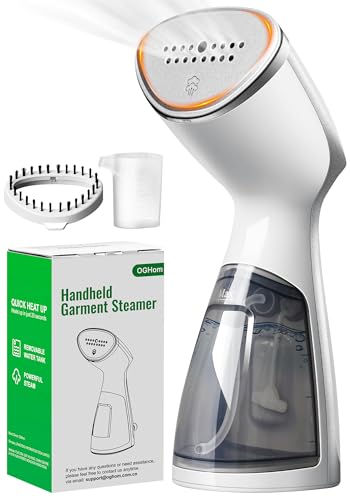
Use a handheld garment steamer for removing wrinkles from dry clean only clothes to release creases without direct contact. For delicate fabrics, a portable fabric steamer is gentle and effective, especially when paired with a vertical steam feature and a hanger attachment. If a steamer isn’t available, a steam iron designed for delicate fabrics can work on low heat with continuous motion, and a pressing mat provides a safe surface to press seams when needed.
What You’ll Need
- Handheld garment steamer for removing wrinkles from dry clean only clothes
- Portable fabric steamer for delicate dry clean only garments
- Steam iron for wrinkle removal on dry clean only fabrics
- Garment steamer with vertical steam and hanger attachment
- Pressing mat and garment steamer set for dry clean only clothing


Before You Start
Review care labels and perform a fabric test on an inconspicuous area. Ensure the garment is clean enough for steam; steam won’t remove heavy soils. Clear a safe space, unplug electrical outlets as needed, and work in a well-ventilated room. Time estimates vary: plan about 20–40 minutes for a typical garment, more for structured pieces. Important cautions: never press hot steam directly onto embroidery, sequins, or fragile trims; avoid direct contact with leather or suedes; never use boiling-high heat on synthetic fibers that may melt.
Step-By-Step: How To Refresh Wrinkled Dry Clean Only Clothing
- Place the garment on a sturdy hanger and ensure the fabric is evenly distributed to avoid pulling fibers.
- Fill the handheld garment steamer with distilled water as recommended by the manufacturer to prevent mineral buildup.
- Hold the steamer about 6–8 inches away from the fabric, and glide vertically along seams, collars, and cuffs to release wrinkles.
- Keep the steamer moving to prevent concentrated heat on one spot; use slow, steady strokes for best results.
- If using a steam iron, set to a low heat level appropriate for the fabric and use a pressing cloth or a pressing mat for protection.
- For stubborn wrinkles, lightly mist the fabric and briefly apply gentle heat with the steamer or iron, then smooth with your hands while the fibers are still warm.
- Utilize the vertical steam feature with a hanger attachment to direct steam down the garment, allowing gravity to assist wrinkle release.
- Address areas like collars, lapels, and pockets by keeping the iron or steamer at a slight angle and moving in one direction to avoid shine.
- Let the garment rest on the hanger for 5–10 minutes after steaming to allow fibers to set before wearing.
- Inspect the fabric in bright light; repeat steaming as needed, paying attention to areas that tend to crease more, such as shoulders and waistlines.
- Carefully store steamed garments to maintain the refreshed look, avoiding tight folds that can reintroduce creases.
Troubleshooting
| Symptom | Likely Cause | Fix | Prevention |
|---|---|---|---|
| Streaks or shiny spots | Direct, prolonged heat on synthetic fibers | Move the steamer constantly and keep a greater distance | Test on hidden area first; use appropriate fabric settings |
| No wrinkles released | Fabric too dry or fabric too delicate | Increase moisture with a light mist and adjust distance | Use a gentler setting or a different tool for delicate fabrics |
| Water droplets on fabric | Overfilled steamer or insufficient heat | Empty excess water and reheat; use a lower setting if needed | Follow manufacturer guidance for water fill levels |
| Fiber set or stiff feeling after steaming | Oversteaming or overheating | Allow fibers to cool and re-steam with lighter pressure | Steaming in short bursts with rest periods |
Common Mistakes
- Overfilling the water reservoir, causing splatter
- Holding the steamer or iron too close to the fabric
- Steaming on high heat that’s unsuitable for delicate fabrics
- Skipping a test on an inconspicuous area
Correcting these habits can prevent damage and improve results on dry clean only garments.
Tips For Best Results
- Always start with the gentlest option: vertical steam with a hanger attachment minimizes direct contact with fabric.
- Use distilled water when possible to extend equipment life and reduce mineral buildup.
- Keep a proper distance and move steadily to avoid water droplets or shiny patches.
- Combine steaming with light hand smoothing for crisp collars and fronts.
- Store garments on hangers after steaming to prevent new wrinkles from forming.
Call A Professional
Seek professional help if a dry clean only garment shows signs of color bleeding, fragile embellishments, or fabric damage. Red flags include persistent swelling, obvious fabric thinning, or stretching out of shape that steaming cannot correct.
FAQ
Can I use a regular iron on dry clean only fabrics?
Only if the fabric’s care label allows it and you use a low heat setting with a pressing cloth to prevent shine or scorching.
Is a garment steamer safe for silk and cashmere labeled dry clean only?
Yes, but use a delicate setting, keep a greater distance, and test on a hidden area first.
How do I remove wrinkles from wool or wool-blend dry clean only items?
Steaming with a gentle motion and avoiding excessive heat helps relax fibers without distortion.
Will steaming cause color fading?
Prolonged heat or direct contact on certain dyes can, so always keep steam moving and perform tests on inconspicuous areas.
How often can I steam a garment before washing or dry cleaning?
Steam as needed to refresh between professional cleanings; follow the garment’s label for washing and care intervals.
Buying Guide
Choosing the right solution for wrinkle removal on dry clean only fabrics requires considering several factors. Size and ergonomics matter for comfortable, frequent use, especially when handling delicate garments. Noise level affects living spaces and work areas, while energy efficiency minimizes running costs over time. Look for controls that let you select steam level or temperature, and features such as vertical steam and hanger attachments that simplify setup. Consider a combined pressing mat and garment steamer set if you frequently address shirts, blouses, or structured pieces. Placement matters; a compact unit that stores easily near the ironing board or closet saves time. When comparing options, think about the typical fabrics in your wardrobe (silk, wool, synthetics) and how often you steam. A model that offers gentle steam, reliable water dispersion, and an easy test-and-use routine will deliver the best results for dry clean only garments without subjecting them to professional cleaning every time. Would you benefit from a single-device solution or a modular system that adapts to different fabrics and settings?