Pop-up drains add a neat finish to bathroom basins but require regular cleaning to prevent buildup and stinky odors. This guide walks through practical, safe steps to restore drainage and keep your sink flowing smoothly. The methods work with common bathroom plumbing and are designed for DIY homeowners in the United States.
By following the steps and using the right tools, you can reduce clogs, extend the life of the stopper, and avoid costly calls to a plumber. The approach emphasizes safe handling, minimal disruption to surrounding fixtures, and clear troubleshooting paths.
Quick Answer
Key takeaway: remove the stopper, clean the trap and linkage, then reinstall. For stubborn blockages, a small drain snake and a dedicated cleaning brush help reach hidden debris without damaging surfaces.
What You’ll Need
- Pop-up drain remover tool for sink
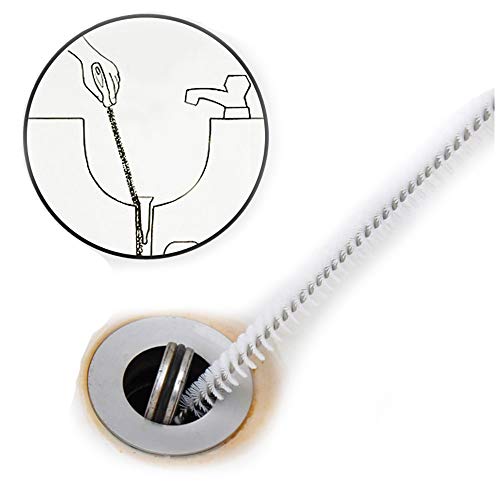
- Sink pop-up stopper cleaning brush
- Drain snake auger for bathroom sink 1/4 inch
- Basin wrench for pop-up drain installation
- Drain cleaning pliers for sink pop-up


Before You Start
Turn off the water supply under the sink and place a towel or shallow pan to catch any drips. Have a flashlight handy for better visibility under the basin. Protect the countertop seal and surrounding surfaces with old towels to prevent scratches. Typical time for a basic clean is 30–60 minutes, while deeper cleaning may take longer.
Critical cautions: avoid overtightening connectors, disconnect the supply lines only after confirming water is off, and never torque plastic fittings beyond their capacity. If you smell gas, see sewage backup, or notice severe leaks, stop and seek professional help.
Step-By-Step: How To Clean A Pop Up Drain
- Remove the sink stopper using the pop-up drain remover tool for sink or by retracting the linkage under the sink with the basin wrench for pop-up drain installation as needed.
- Inspect the pop-up linkage and pivot rod for corrosion or wear; gently loosen any seized parts with drain cleaning pliers for sink pop-up.
- Pull the stopper out completely and wipe away any visible gunk with a rag. If the stopper is heavily stained, soak it in warm soapy water.
- Use the sink pop-up stopper cleaning brush to scrub the stopper’s nooks and the drain opening inside the basin.
- Remove the drain trap or accessible trap components if present and clear hair and debris by hand. Reassemble securely after cleaning.
- Insert the drain snake auger for bathroom sink 1/4 inch to reach deeper blockages beyond the trap. Gently rotate and feed until resistance reduces.
- Run hot water for several minutes to flush loosened debris through the pipes. If water still drains slowly, repeat the snake pass with a bit more pressure, but avoid forcing.
- Reinstall the stopper and linkage, ensuring the pop-up mechanism moves freely when pressing the stopper from above.
- Test drainage by running water and lifting the stopper several times to confirm proper operation and seal integrity.
- Wipe down any spills and replace any removed components with the correct orientation to maintain a watertight seal.
- Schedule regular maintenance every few months to minimize buildup and extend the life of the pop-up system.
Troubleshooting
| Symptom | Likely Cause | Fix | Prevention |
|---|---|---|---|
| Slow draining after cleaning | Partial blockage or misaligned stopper | Recheck linkage and retry snake more gently | Clean habitually; avoid pouring grease down the drain |
| Stoppers not sealing | Worn gasket or improper reinstall | Inspect gasket and reinstall with even pressure | Replace worn parts; follow manufacturer guidelines |
| Overflowing water when stopper is closed | Pipe loop or trap partially blocked | Clear trap and inspect for kinks | Routine trap cleaning |
| Residual odor | Bacterial buildup in trap or overflow channel | Clean thoroughly with mild cleaner and rinse | Keep area dry and air-dry after use |
Common Mistakes
- Using excessive force on the linkage, which can bend or break parts.
- Forgetting to turn off water supply before starting work.
- Neglecting to reassemble stopper components in the correct order.
- Rushing the snake through the drain, causing damage or pushing debris further in.
Taking time with each step improves results and reduces the likelihood of leaks or future clogs.
Tips For Best Results
- Clean the pop-up stopper and drain area every few months to prevent buildup.
- Use a flexible drain snake suitable for bathroom drains to minimize friction against the pipes.
- Lubricate moving parts lightly with a compatible plumber’s grease if recommended by the manufacturer.
- Keep a small toolbox under the sink with the necessary tools for quick touch-ups.
Call A Professional
Contact a pro if the drain remains slow after multiple attempts, if you encounter corrosion, or if there is persistent leaking after reassembly. Seek immediate help if there are signs of sewage backups, strong odors that don’t dissipate, or if the pop-up mechanism refuses to move at all.
FAQ
How often should I clean a pop-up drain?
Every 3–6 months, or whenever you notice slower drainage or odor buildup.
Can I use chemical drain cleaners on a pop-up drain?
Use caution; chemicals can damage seals and plastics. Prefer mechanical cleaning and mild cleaners.
Is a basin wrench necessary for pop-up drain maintenance?
Only if access to linkage nuts requires it; many setups can be serviced with regular hand tools.
What tools are essential for ongoing maintenance?
A pop-up drain remover tool, a sink stopper cleaning brush, a small 1/4 inch drain snake, basin wrench, and drain cleaning pliers.
What signs indicate a failed stopper?
Persistent leaks, poor sealing, or the stopper not returning to closed position signal replacement or adjustment is needed.
Will removing the trap require plumbing knowledge?
A basic understanding helps; if unsure, consult a plumber to avoid pipe damage.
Buying Guide
When choosing tools for cleaning a pop-up drain, consider size, compatibility with your sink setup, and ease of use. Factors include:
- Size and fit: Ensure tools match the drain diameter and linkage style in your sink.
- Build quality: Durable plastics or metal components reduce wear and improve longevity.
- Ease of use: Ergonomic handles and straightforward assembly save time during maintenance.
- Effectiveness: A combination of a reliable stopper cleaner, a compact snake, and pliers covers most clogs without excessive force.
- Noise and accessibility: Some tools offer quieter operation and better access under shallow sinks.
Consider whether you prefer a single-brand kit or a modular set that allows upgrading specific parts. Compare tool compatibility with your existing pop-up drain hardware, as mismatches can complicate maintenance. For most homeowners, a compact 1/4-inch drain snake paired with a dedicated cleaning brush and stopper remover provides a balanced mix of cost, efficiency, and durability.