Properly cleaning a knife after chopping raw chicken is essential for kitchen hygiene and food safety. This guide provides a practical, step-by-step approach using common tools to remove juices, germs, and residue from the blade while protecting the knife’s edge.
Quick Answer
Rinse, wash with warm soapy water, scrub lightly, rinse again, dry thoroughly, and store safely. Immediately clean the blade after use, skim excess moisture, and sanitize the handle if it’s nonporous. For stubborn residue, use a dedicated knife cleaning tool to avoid damaging the edge.
What You’ll Need
- Stainless steel kitchen knife cleaning brush nylon bristles
- Silicone knife scrubber for cleaning blades
- Antibacterial knife cleaning sponge
- Knife blade cleaning brush set
- Dishwasher safe knife cleaning mat


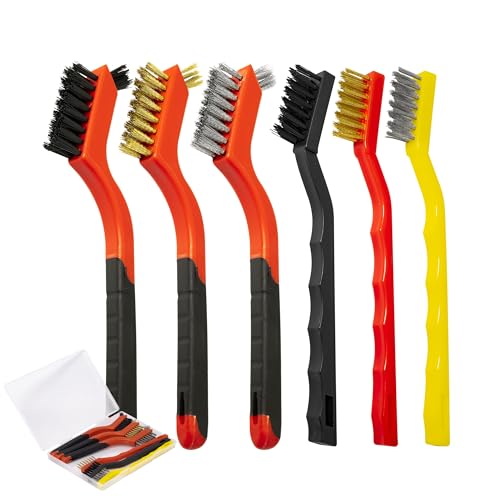
Before You Start
Ensure the knife is safely secured with a non-slip surface. Use hot water safety to rinse away raw chicken juices and prevent cross-contamination. Avoid soaking the knife for long periods, which can damage the handle or blade tang. If the knife is dishwasher-safe, place it on the top rack away from serrated blades to minimize chipping. Time estimate: about 3–6 minutes for routine cleaning.
Step-By-Step: How To Clean A Knife After Cutting Raw Chicken
- Rinse the blade under running warm water to remove visible juices, holding the knife by the handle and pointing the blade away from you.
- Apply a small amount of dish soap to the antibacterial knife cleaning sponge or knife blade cleaning brush set and work along the edge in a downward, careful motion.
- Use a stainless steel kitchen knife cleaning brush with nylon bristles to reach recessed areas and the base of the blade where meat particles may hide.
- For stubborn residue, switch to a silicone knife scrubber and gently rub in circular motions, avoiding excessive pressure that could dull the edge.
- Rinse the blade again, ensuring all soap and particles are removed from both sides of the blade and along the spine.
- Dry with a clean towel, then inspect for remaining residue. Wipe the handle and any metal rivets if present.
- If the knife is dishwasher-safe, you may place it on the top rack after washing, but manual drying remains the best practice to protect the edge.
- Store the knife in a protective sheath, magnetic strip, or dedicated knife block to prevent contact with other tools.
- Disinfect the work area with a food-safe sanitizer after cleaning to prevent cross-contamination.
- If you notice rust, corrosion, or dullness, consider sharpening or consulting a professional service.
- Periodically re-evaluate your cleaning tools to ensure bristles and scrubbers remain free of contaminants.
Troubleshooting
| Symptom | Likely Cause | Fix | Prevention |
|---|---|---|---|
| Blade has rust spots | Exposure to moisture or acidic residues | Gently bronze with a non-abrasive cleaner and dry immediately | Dry after use; store in a dry place |
| Residual odor after washing | Protein buildup on blade | Use a mild detergent and rinse thoroughly; rewash if needed | Prompt cleaning after use |
| Edge appears dull | Overly aggressive scrubbing or improper tool | Switch to softer brushes; consider professional sharpening | Use light pressure near the edge |
| Handle feels slippery | Grease or moisture on grip | Wipe thoroughly and dry; inspect for looseness | Keep dry hands and store properly |
Common Mistakes
- Leaving the knife soaking in water for extended periods
- Using abrasive cleaners that scratch the blade
- Washing a knife in the sink with other utensils, increasing cross-contamination risk
- Drying with a rough cloth that can create micro-scratches
Tips For Best Results
- Wash knives separately from other dishes to avoid splashing contaminants.
- Keep a dedicated cleaning brush kit close to the kitchen sink for quick maintenance.
- Always dry the blade fully to prevent water spots and rust formation.
- Store knives with blade guards or in a designated rack to protect edges.
- Consider assigning a separate cutting board for raw meats to reduce cross-contamination risk.
Call A Professional
Seek professional help if a knife shows persistent rust, chips that compromise safety, or if sharpening becomes necessary but you lack the proper equipment. Stop using the knife if the blade is cracked, heavily warped, or if the handle is loose or cracked, as these are safety hazards.
FAQ
Should I wash a knife with hot or cold water after cutting raw chicken?
Warm water with mild soap is generally best to remove fats and proteins without shocking the blade.
Can I put a metal knife in the dishwasher?
Many knives are dishwasher-safe on the top rack, but manual washing extends edge life and reduces risk of dulling or rust.
What’s the best way to dry a knife?
Dry with a clean towel immediately after washing; don’t air-dry on a rack where water can pool.
How often should I replace cleaning brushes?
Inspect for frayed bristles or worn silicone; replace as needed to prevent residue buildup.
Is it necessary to sanitize the knife after cleaning?
Sanitizing is recommended after handling raw chicken, especially in shared or high-traffic kitchens.
Can I use lemon juice to clean and deodorize?
Leaning toward gentler options helps avoid corrosion; use lemon juice sparingly and rinse well.
What if the knife is very dull after cleaning?
Consider professional sharpening or home sharpening tools designed for kitchen knives.
Are there alternatives to nylon bristles for cleaning?
Soft non-abrasive pads and silicone scrubbers are good alternatives that protect the blade.
Buying Guide
When selecting knife-cleaning tools, consider factors such as material compatibility, safety, and ease of use. A stainless steel kitchen knife cleaning brush with nylon bristles offers sturdy scrubbing without scratching. A silicone knife scrubber provides gentle care for delicate edges. An antibacterial knife cleaning sponge helps reduce microbial transfer, while a knife blade cleaning brush set covers multiple cleaning angles. For convenience, a dishwasher safe knife cleaning mat can protect surfaces and knives during cleaning. Look for tools that are easy to grip, BPA-free, and dishwasher-safe if you prefer automated cleaning.
Key buying factors include size and compatibility with your knife collection, noise level if used in a busy kitchen, and durability under frequent use. Consider whether you prefer separate tools for raw meat handling or a combined set. Think about storage: wall hooks, magnetic strips, or a dedicated drawer organizer can help keep cleaning gear accessible. Finally, check for any cleaning accessories that are designed to minimize water usage or that include antimicrobial properties for extra hygiene.