Maintaining clean sneakers is a practical habit for comfort, longevity, and style. This guide walks through a straightforward routine to help American shoppers keep canvas, leather, suede, and athletic sneakers looking their best with tools and products you can trust.
By following a clear approach—from daily care to deep cleaning—sneaker owners can protect materials, remove odors, and extend the life of their footwear. The steps below emphasize safe methods and readily available products to simplify routine upkeep.
Quick Answer
Best initial plan: brush off loose dirt, spot-clean stains, and refresh with a spray or odor eliminator. For routine care use microfiber cloths and a dedicated sneaker cleaning brush set; finish with a breathable air-dry and deodorizing spray if needed.
What You’ll Need
- sneaker cleaning brush set nylon bristles
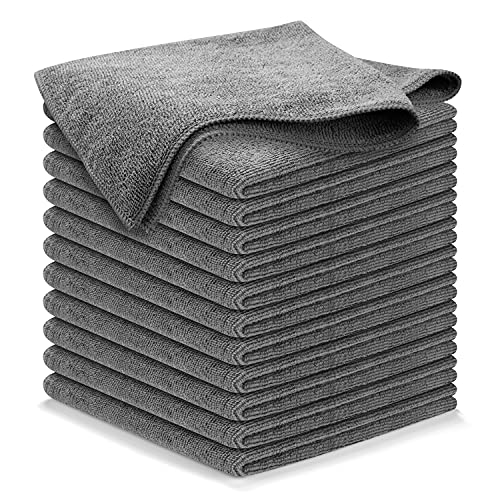
- microfiber cloths for sneakers cleaning
- suede nubuck sneaker cleaner brush kit
- leather sneaker cleaning spray
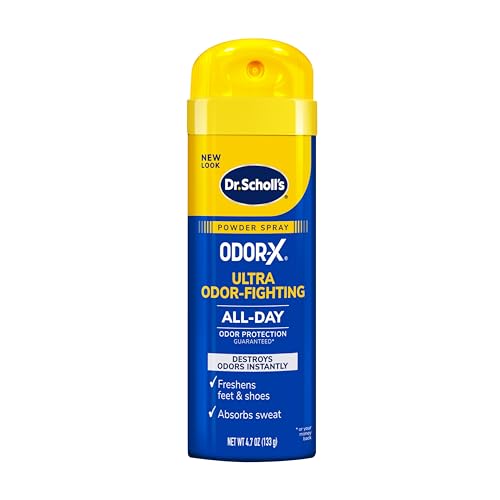
- sneaker odor eliminator spray for shoes

Before You Start
Before cleaning, remove laces and insoles where possible. Validate material types: leather, suede, and fabric require different care. Always test a small, inconspicuous area before full cleaning to avoid damage. Work in a ventilated area and use lukewarm water instead of hot to prevent warping or color bleed. Time estimates for a full cleaning cycle range from 20 to 60 minutes depending on material and soil level. Important: never machine-wash sneakers with leather or suede; avoid soaking fabrics that can stretch or stiffen when wet.
Step-By-Step: How To Keep Sneakers Clean
- Remove the laces and set them aside. This allows full access to the tongue and eyelets for cleaning and deodorizing.
- Dry-brush loose dirt with a soft nylon-bristle brush to prevent grinding dirt deeper into the fibers.
- Spot-clean stains with a damp microfiber cloth or apply a small amount of leather sneaker cleaning spray to a cloth and wipe gently on leather; use the suede nubuck sneaker cleaner brush kit for textured suede areas only.
- For fabric or midsole areas, mix a light cleaning solution (water with a mild detergent) and apply with the brush set, scrubbing in gentle circular motions. Wipe away residue with a clean microfiber cloth.
- Rinse the cloths frequently to prevent re-depositing dirt. Avoid soaking sneakers; moisture can weaken adhesives and cause odor development.
- Air-dry in a well-ventilated area away from direct heat or sunlight to preserve color and shape. If possible, stuff with paper or a sneaker-dreathing insert to maintain form.
- While drying, treat odor concerns with sneaker odor eliminator spray for shoes to neutralize lingering smells and refresh the interior.
- Reassemble laces (and insoles if removable). If laces look dingy, wash them separately in mild soap and water, then air-dry before reinstalling.
Troubleshooting
| Symptom | Likely Cause | Fix | Prevention |
|---|---|---|---|
| Stains remain after cleaning | Stain set-in or improper prep | Apply suede nubuck cleaner on appropriate areas or leather cleaner in small sections; repeat gentle cleaning | Pre-treat visible stains quickly; avoid harsh scrubbing |
| Fading color after cleaning | Strong cleaners or sun exposure | Switch to milder cleaners; dry away from direct heat | Test spot first; dry in shade |
| Stiff or misshapen after drying | Over-wetting | Use less water; stuff sneakers with paper to maintain shape | Limit moisture exposure |
| Persistent odor | Built-up moisture or interior bacteria | Use odor eliminator spray again and air out longer; consider replacing insoles | Regular deodorizing between cleanings |
Common Mistakes
- Over-wetting leather or suede, which can cause stiffness or color change
- Using abrasive brushes on delicate materials like suede
- Washing sneakers in hot water or a washing machine
- Skipping drying time, leading to mildew or odor buildup
Being mindful of material-specific care helps prevent damage and keeps sneakers looking newer longer.
Tips For Best Results
- Schedule a regular, light cleaning routine to avoid heavy buildup.
- Keep microfiber cloths dedicated to sneaker cleaning to prevent cross-contamination with leather products.
- Rotate use of odor eliminator sprays to maintain a fresh interior without overpowering scents.
- Store sneakers in a cool, dry place to protect materials from humidity and creasing.
Call A Professional
Consider a professional if sneakers have delicate materials like high-end leather with tricky finishes, unusual stains, or persistent odor that DIY methods cannot resolve. Stop and seek expert help if:
- Leather shows deep cracking, dye transfer, or significant color loss
- Suede or nubuck fibers appear matted or water-stained beyond conventional cleaning
- Insoles or inner linings smell strongly moldy despite cleaning efforts
FAQ
What is the best way to clean white sneakers?
Use a mild detergent with a nylon brush and wipe with a clean microfiber cloth; air-dry away from direct heat to prevent yellowing.
How often should I deodorize sneakers?
Deodorize after every few wears or as needed, especially in hot or humid conditions.
Can I use household cleaners on sneakers?
Avoid harsh chemicals; stick to products designed for sneakers or leather/suede with clear material compatibility.
Should I wash sneakers in a washing machine?
Generally not for leather or suede; fabric sneakers may be machine-washable if the manufacturer allows it, but always check care labels first.
Buying Guide
When selecting sneaker care products, consider size, material compatibility, and ease of use. A balanced kit might include a nylon-bristle brush set, microfiber cloths, a suede nubuck cleaner, a leather spray, and an odor eliminator. Look for pH-balanced formulas that are gentle on fabrics and leather alike. For daily upkeep, choose compact tools that fit in a sneaker cleaning kit or travel pouch. If you own multiple materials, a kit with material-specific components saves time and reduces the risk of damage. Finally, verify that sprays dry without leaving residues and that cloths are lint-free to avoid particles sticking to fabrics.
Regular maintenance, proper product selection, and careful application are key to keeping sneakers clean and fresh. Would you like help tailoring a routine for specific sneaker materials or a kit that fits your cleaning style?