Keeping the fabric softener dispenser clean helps prevent clogs, odors, and residue in your laundry routine. This guide explains practical steps using common cleaning tools designed for washing machines. The approach focuses on safe methods to restore proper flow and prevent discoloration of clothes.
Readers will find a clear, step-by-step method, safety notes, and troubleshooting tips to handle everyday dispenser buildup efficiently.
Quick Answer
Rinse the dispenser with warm water, apply a dedicated cleaning tool, scrub away residue with a narrow nozzle brush, rinse again, and run a short empty cycle to flush remaining debris.
What You’ll Need
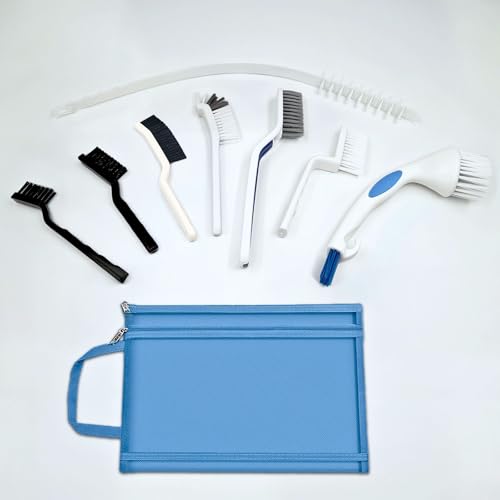
- washing machine fabric softener dispenser cleaning brush
- fabric softener dispenser cleaning tool long-handled
- washing machine detergent drawer cleaning brush
- detergent drawer cleaning tool for washing machine
- narrow nozzle cleaning brush for appliance dispensers


Before You Start
Unplug the washing machine or switch to off at the breaker. If the dispenser is removable, detach it following the manufacturer’s instructions. Use warm water and a mild detergent to avoid damaging plastics. Safety note: avoid harsh chemicals near metal components or labels that may wear away. Allow the dispenser to dry completely before reassembly. Time estimate: 20–40 minutes.
Step-By-Step: How To Clean A Fabric Softener Dispenser
- Remove the fabric softener dispenser or drawer from the washing machine, if possible, following the user manual.
- Rinse the dispenser under warm running water to loosen loose buildup.
- Use the fabric softener dispenser cleaning brush or cleaning tool to scrub away caked residue from all surfaces.
- For stubborn deposits, insert the narrow nozzle cleaning brush into small holes and crevices to dislodge buildup.
- Soak the dispenser in a solution of warm water and mild detergent for 5–10 minutes to soften remaining residue.
- Rinse thoroughly until water runs clear, ensuring no soap film remains on interior walls or seals.
- Return the dispenser to the drawer or housing, then run a short empty wash with no laundry to flush any loosened debris.
- Check for proper flow by adding a small amount of fabric softener during a test load, ensuring it dispenses evenly.
- Repeat cleaning periodically based on usage or if you notice slower flow or odor.
- Wipe the exterior area around the dispenser to prevent drips on clothes or the drum.
- If the dispenser is permanently integrated, follow the manual’s cleaning steps or consult a technician for removal methods.
- Document any recurring clogs to address with more thorough cleaning or part replacement if needed.
Troubleshooting
| Symptom | Likely Cause | Fix | Prevention |
|---|---|---|---|
| Dispenser won’t dispense | Clogged passages | Clean with dedicated brushes; ensure no soap residue | Rinse after each use; avoid overfilling |
| Dispenser leaks after fill | Seal or gasket wear | Inspect seals; replace if damaged | Use the recommended amount of fabric softener |
| Rancid odor | Buildup inside dispenser | Soak and scrub; run empty cycle with hot water | Clean monthly or as needed |
| Residue on clothes | Soap film mixing with softener | Rinse dispenser thoroughly; run extra rinse | Separate fabric softener from detergent pockets |
Common Mistakes
- Using harsh chemicals that can degrade plastic parts
- Forgetting to dry the dispenser after cleaning
- Not rinsing thoroughly, leaving a film that attracts more buildup
- Overfilling fabric softener or detergent drawers
To avoid repeated issues, stick to manufacturer guidelines and use dedicated cleaning brushes designed for appliance dispensers rather than generic scrubbers.
Tips For Best Results
- Clean the dispenser every 1–3 months, depending on usage and water hardness.
- Use warm water rather than hot to prevent warping delicate parts.
- Keep the surrounding area dry to prevent mold growth in and around the drawer.
- Choose a cleaning brush with a narrow tip to reach tight corners and small ports.
Call A Professional
Stop and call a professional if the dispenser shows persistent leaks, cracks, or if removal requires tools beyond standard household equipment. Seek help if you notice electrical issues, persistent mold, or if a removable part does not reseal properly after cleaning.
FAQ
Can I use dish soap to clean a fabric softener dispenser?
Yes, a mild dish soap can help, but rinse thoroughly to remove all residues before use.
Is it necessary to remove the dispenser for cleaning?
Removable dispensers clean more thoroughly; follow the manual to detach safely.
How often should I clean the fabric softener dispenser?
Every 1–3 months is typical, or sooner if you notice buildup or odor.
What if the dispenser still clogs after cleaning?
Try a deeper soak and brush the interior ports; if unresolved, consider professional service.
Buying Guide
Size, fit, and compatibility matter when buying replacement parts or tools for dispenser cleaning. Look for tools that match the reach and openings of your washing machine model. Consider noise levels if you use cleaning tools near bedrooms or living spaces. Energy efficiency is less about the tools themselves and more about minimizing waste through thorough cleaning to improve dispenser performance. Controls should be straightforward, and replacement parts should come from reputable brands. For best results, consider a set that includes a long-handled tool and a narrow nozzle brush suitable for appliance dispensers to reach tight spaces.