Polyurethane floors offer durability and a polished look, but cleaning them requires careful technique to preserve their shine without causing damage. The following guide provides a practical, step-by-step approach using common tools and a range of compatible cleaning equipment.
Whether maintaining a home kitchen, living area, or workshop, these methods balance effective grime removal with surface protection and long-term floor health.
Quick Answer
For everyday cleaning, sweep or vacuum to remove loose debris, damp-mop with a microfiber mop and a pH-neutral cleaner, and finish with a quick dry to prevent streaks. For deeper grime, use an electric floor buffer or orbital floor polisher with appropriate pads, followed by a thorough rinse and dry.
What You’ll Need
- Electric floor buffer for polyurethane floors
- Floor scrubber machine for polyurethane floors
- Polyurethane floor cleaning pads microfiber
- Orbital floor polisher for polyurethane floors
- Microfiber mop system for polyurethane floors
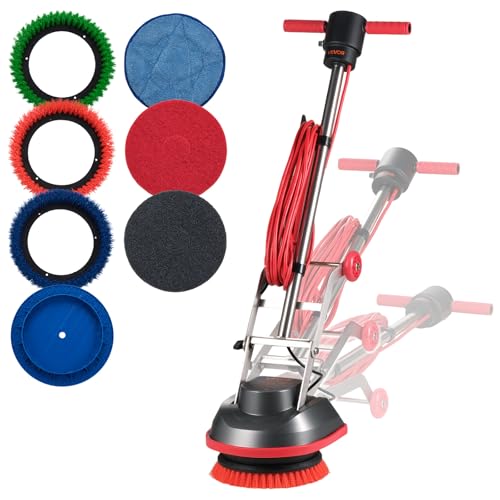


Before You Start
Prepare the area by removing furniture and rugs and sealing off delicate edge areas. Use only cleaners labeled safe for polyurethane floors and avoid ammonia, wax buildup, or highly acidic products. Work in small, overlapping sections to minimize streaks. Time estimate: 30–60 minutes for routine cleaning; longer for heavy buildup. Exercise caution on uneven surfaces and stairs.
Step-By-Step: How To Clean Polyurethane Floors
- Clear the space and thoroughly sweep or vacuum to remove loose dust and grit.
- Dampen a microfiber mop system with a neutral pH cleaner recommended for polyurethane floors.
- Wrings out the mop well to avoid over-wetting the floor.
- Mop in small sections, using a back-and-forth motion and following the grain or straight lines for uniform coverage.
- For stubborn spots, switch to a coated pad on the floor scrubber machine and gently scrub without applying heavy pressure.
- Rinse the pad frequently and ensure the floor isn’t left with residue from cleaners.
- After cleaning, go over the area with a dry microfiber pad or dry mop to remove moisture and prevent streaks.
- For routine maintenance, repeat every few days or as needed depending on traffic.
- When using an electric floor buffer or orbital polisher, select a soft, non-abrasive pad and keep the buffer moving to avoid heat buildup.
- Do a final check for moisture, ensuring all areas are dry before reintroducing furniture.
- Inspect edges and corners for missed spots and touch up as necessary.
- Store cleaning tools clean and dry to prevent pad degradation and odor buildup.
Troubleshooting
| Symptom | Likely Cause | Fix | Prevention |
|---|---|---|---|
| Cloudy or streaky finish | Excess cleaner or improper rinsing | Rinse with clean water and dry thoroughly | Use a pH-neutral cleaner and limit residue |
| Scratches after cleaning | Using abrasive pads | Switch to soft microfiber pads | Choose non-abrasive pads for routine cleaning |
| Sticky surface | Residual cleaner or wax buildup | Deep clean with clean water and wipe dry | Avoid wax-based products on polyurethane |
| Discoloration in high-traffic areas | Sun exposure or uneven wear | Protect with rugs or mats and recoat if needed | Use area mats and rotate furniture |
Common Mistakes
- Using harsh chemicals or wax-based cleaners on polyurethane floors
- Over-wetting the surface during mopping
- Using abrasive pads or scrubbers on the finish
- Neglecting to dry the floor, leading to water spots or slip hazards
Careful technique and appropriate tools prevent these issues and extend the life of polyurethane surfaces.
Tips For Best Results
- Maintain a regular cleaning schedule to avoid heavy buildup.
- Use a dedicated microfiber mop system for gentle yet effective cleaning.
- Pair cleaning with periodic deep polishing using an orbital floor polisher to restore shine.
- Test cleaners in an inconspicuous area before full-scale use.
- Place mats at entrances to reduce tracked-in dirt and grit.
Call A Professional
Consider contacting a professional if you notice peeling, severe clouding, or discoloration that does not respond to standard cleaners. Signs to seek expert help include fading edges, cracks under the finish, or bubbling after cleaning. Complex refinishing tasks, resealing, or recoating should be handled by experienced technicians.
FAQ
What cleaner should I use on polyurethane floors?
Choose a neutral pH cleaner specifically labeled for polyurethane floors to avoid dulling the finish.
Can I use a steam mop on polyurethane floors?
Steam mops are generally not recommended as excessive moisture can damage the finish over time.
How often should I deep clean polyurethane floors?
Deep cleaning every 1–3 months is typical, depending on traffic and spills.
Is it safe to use pads with a floor buffer?
Yes, use soft microfiber pads and appropriate cleaning solutions to prevent scratches.
Should I wax polyurethane floors?
No. Waxing can create buildup and dull the finish; polyurethane floors should be cleaned with compatible products only.
How can I remove hard water spots?
Gently buff with a soft pad and a neutral cleaner, then rinse and dry completely.
Buying Guide
When selecting tools and products for polyurethane floor care, consider size, noise, and compatibility with your floor finish. A compact electric floor buffer or orbital polisher can speed up maintenance on larger areas but may be heavier to maneuver in tight spaces. Look for quiet models with variable speed control to reduce noise disruption. Energy efficiency is important for regular use, so choose tools with efficient motors and durable pads. For placement, consider a mop system that reaches corners and under furniture and uses washable microfiber heads. Compare cleaning pads for softness and adhesive properties to prevent pad shedding. Finally, ensure cleaners and pads are labeled safe for polyurethane to protect the finish over time. Are you ready to mix speed with care for a spotless floor that stays gleaming? A well-chosen combination of tools and pads will deliver consistent, professional-level results at home.