Granite countertops add timeless beauty and durability to kitchens and bathrooms, but stains can threaten their pristine look. With the right approach—using safe cleaners, poultices, and proper prepping—you can lift common stains without damaging the stone’s surface. This guide provides practical steps and product recommendations to help American homeowners maintain granite countertops effectively.
Quick Answer
Best first step: identify the stain type (oil-based, pigment-based, or water-based) and use a granite-friendly cleaner. For stubborn stains, apply a granitesafe poultice, let it sit, and wipe clean with a microfiber cloth. Regular sealing helps prevent future staining.
What You’ll Need
Having the right tools on hand makes stain removal straightforward. Gather the items below to tackle most granite stains effectively.
- Granite countertop cleaner spray stone-safe formula
- Granite countertop stain remover poultice kit
- Granite stone poultice powder stain remover
- Granite sealer countertop food-safe sealer bottle
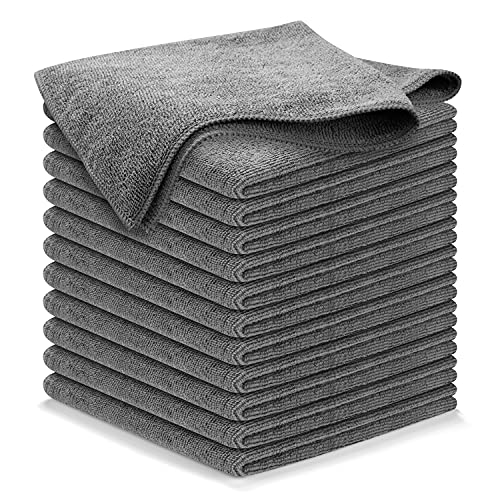
- Microfiber cloth set for granite countertop cleaning
- Soft sponge or non-abrasive scrub pad


Before You Start
Before applying cleaners, ensure the area is clean and dry. Test any product in an inconspicuous spot to check for color changes or dulling. Time estimates vary: plan 30 minutes for routine cleaning, and up to several hours for poultice-based stain removal, including drying time. Critical cautions: avoid acidic cleaners (like lemon or vinegar) on polished granite, as they can etch the surface. Do not use abrasive pads that scratch the stone, and never mix cleaners with bleach or ammonia.
Step-By-Step: How To Clean Stains From Granite Countertops
- Inspect the stain to determine whether it is oil-based, pigment-based, or water-based.
- Wipe the area with a granite-safe cleaner to remove surface grime and prep the stone.
- Dry the surface thoroughly before applying a poultice for deep stains.
- Mix a poultice powder with distilled water or a compatible solvent to form a thick paste following package directions.
- Apply the poultice to the stained area, extending beyond the stain by about 1 inch.
- Cover with a plastic film and tape the edges to keep the poultice moist; let it sit as directed (often 12–24 hours).
- Remove the film and sealant paste with a plastic scraper or soft cloth, then wipe clean with a microfiber cloth.
- Rinse the area with distilled water and dry completely to assess progress.
- Repeat the poultice process if the stain persists, ensuring thorough drying between applications.
- Apply a granite-safe sealer bottle as recommended on the product to refresh protection after cleaning.
- Return the area to normal use once fully dry; avoid placing acidic foods directly for several hours after sealing.
Troubleshooting
| Symptom | Likely Cause | Fix | Prevention |
|---|---|---|---|
| Stain returns after cleaning | Deep-set pigment or oil trapped in pores | Reapply a poultice kit according to directions; consider multiple applications | Seal countertops regularly; wipe spills promptly |
| Hazy or dull spot after cleaning | Residue from cleaner or improper rinsing | Rinse with distilled water, dry thoroughly; buff with microfiber | Use only stone-safe cleaners and avoid ammonia-based products |
| Scratch-looking marks | Abrasive cleaning tools or harsh chemicals | Switch to soft cloths and non-abrasive pads; discontinue harsh cleaners | Use proper cleaning tools and sealers |
| Etching or color change on polished granite | Acidic cleaners or citric residues | Stop acidic products; consult a stone professional for remediation | Always use pH-neutral cleaners |
Common Mistakes
- Using household bleach or ammonia on granite, which can damage the finish.
- Relying on abrasive brushes or scouring pads that scratch the surface.
- Skipping a proper test spot, risking color changes on visible areas.
- Over-wetting the stone during cleaning or sealing, which can seep into seams.
Tips For Best Results
- Always use a dedicated granite countertop cleaner or the recommended spray stone-safe formula to minimize risks.
- When dealing with stubborn stains, start with a milder cleaner and escalate to a poultice only if necessary.
- Keep the countertop dry between cleaning sessions and after sealing to maximize protection.
- Store poultice kits and sealers in a cool, dry place away from direct sunlight.
- For light stains, frequent maintenance with the granite cleaner can reduce buildup and ease future stain removal.
Call A Professional
Consider contacting a stone care professional if stains persist after multiple poultice applications, if etching is noticed, or if the countertop has unusual damage. Seek help promptly for large stains on large surface areas or if the sealer shows uneven absorption. Emergency signs include visible cracking or pooling around seams, which may require professional restoration.
FAQ
Is a poultice always needed for granite stains?
Not always, but it is a common and effective method for organic and pigment-based stains when routine cleaning isn’t enough.
Can I seal granite after stain removal?
Yes, sealing after cleaning and drying helps prevent future staining and makes maintenance easier.
What should I avoid on granite countertops?
Avoid acidic cleaners, bleach, ammonia, and abrasive scrubbing tools that can dull or scratch the surface.
How often should I seal granite countertops?
Most surfaces benefit from resealing once every 1–3 years, depending on usage and the specific product’s recommendations.
Buying Guide
When choosing products to maintain granite countertops, consider size, stain-removal effectiveness, and safety for food-contact surfaces. Look for a granite countertop cleaner spray with a stone-safe formula that won’t etch or dull the finish. For stubborn stains, a granite countertop stain remover poultice kit or granite stone poultice powder stain remover should be readily available. A food-safe granite sealer bottle ensures ongoing protection, while a microfiber cloth set helps achieve lint-free, streak-free results. Evaluate how each product fits your routine, kitchen layout, and preferred maintenance schedule. Do you want a compact kit for occasional touch-ups or a full system for weekly deep cleaning and sealing? A practical approach combines a spray cleaner for daily care, a poultice for tough stains, a powder poultice as needed, and a reliable sealer to keep granite countertops looking pristine for years. Keep noise, convenience, and budget in mind as you compare options and read user reviews for real-world performance.