Keeping the rubber door seal of a front-load washer clean helps prevent mold, mildew, and odors, while extending the life of the appliance. This guide provides practical steps, recommended tools, and common pitfalls to avoid for American homes.
Regular maintenance is simple and can be done with common household brushes and safe cleaners. The focus here is on thorough but gentle care that preserves the seal’s elasticity and prevents leaks.
Quick Answer
Best starting point: use a dedicated cleaning brush designed for washing machine doors, along with a mild detergent or vinegar solution. After scrubbing, wipe dry and leave the door open to air out. For stubborn buildup, a steam cleaner tool can help loosen residue without harsh scrubbing.
What You’ll Need
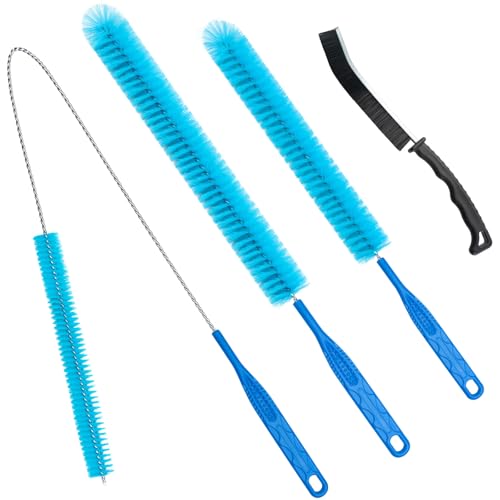
- washing machine door seal cleaning brush
- front load washer gasket scrub brush
- appliance cleaning brush kit
- steam cleaner tool for washing machine gasket
- ultrasonic cleaner for small parts


Before You Start
Prepare a clean, dry workspace and protect the surrounding area from splashes. Run a quick empty wash cycle with hot water and a cup of white vinegar or a mild cleaner to loosen grime. Safety note: unplug the machine before inspecting the gasket or using steam or ultrasonic tools near electrical components. Do not use abrasive pads that could scratch the rubber. Time estimate: 15–30 minutes for the initial cleaning; 5–10 minutes for routine maintenance after each use.
Step-By-Step: How To Clean The Front Load Washer Gasket
- Open the door and inspect the gasket for visible mold, residue, or foreign objects like coins or lint.
- Prepare cleaning solution: mix warm water with a small amount of mild detergent or white vinegar in a spray bottle.
- Dust and debris first: use the washing machine door seal cleaning brush to loosen surface grime around the ridges of the gasket.
- Deep scrub: switch to the front load washer gasket scrub brush and work the bristles into folds, paying attention to the inner lips where buildup accumulates.
- Target the creases: apply more cleaner to stubborn spots and use a microfiber cloth to wipe away loosened grime as you go.
- Rinse and repeat: wipe with a clean damp cloth, then spray a light mist of cleaner and rinse again to remove residue.
- Dry thoroughly: use a dry towel or microfiber to blot the gasket; leave the door ajar to promote airflow and prevent moisture buildup.
- Optional steam boost: if built-up mold persists, use a steam cleaner tool for washing machine gasket on a low setting, following the device instructions to avoid heat damage.
- Disinfect and protect: after cleaning, wipe with a mild disinfectant wipe safe for rubber materials, then run an empty hot wash to clear any remaining cleaner.
- Inspect seals monthly: check for cracks or tears; replace the gasket if there is persistent damage or leakage risk.
- Store tools clean: rinse brushes and dry thoroughly after each use to prevent bristle wear and odor buildup.
Troubleshooting
| Symptom | Likely Cause | Fix | Prevention |
|---|---|---|---|
| Persistent mold odor after cleaning | Hidden mold in folds | Use steam cleaner or ultrasonic cleaner for small parts to reach tight areas | Clean monthly; leave door ajar after cycles |
| Ragged or torn gasket | Age or overt scrubbing | Replace gasket; avoid metal brushes | Gentle brushing; regular inspection |
| Visible residue remaining after wipe | Hard water mineral buildup | Vinegar rinse; run hot empty cycle | Use distilled water where possible for cycles |
| Water leaks from door area | Damaged seal or improper alignment | Inspect alignment; replace worn seal if needed | Gentle handling during cleaning |
Common Mistakes
- Using abrasive pads that scratch the rubber surface
- Overusing harsh chemicals that degrade the seal
- Ignoring folds and creases where grime hides
- Not drying the gasket and leaving it damp between uses
Tips For Best Results
- Incorporate a monthly gasket clean into laundry routines to prevent buildup.
- Alternate between a mild detergent and a vinegar solution to avoid residue accumulation.
- Always dry the gasket after cleaning to deter mold growth.
- Keep the detergent drawer and door seals clean to minimize transfer of residues.
- Consider an ultrasonic cleaner for small parts or stubborn components detached for thorough sanitization.
Call A Professional
Contact a professional if you notice cracks, persistent leaks, or the gasket appears deformed and cannot be restored. Stop using the machine if water pools around the door or the seal shows visible damage that could lead to flooding. Complex electrical or steam-cleaning procedures should be performed by qualified service technicians.
FAQ
Can I use bleach to clean the rubber seal?
Avoid direct bleach on rubber seals; it can cause cracking over time. Use mild cleaners or vinegar solutions and rinse thoroughly.
How often should I clean the front-load gasket?
Plan a thorough gasket clean every 1–2 months, with quick wipe-downs after each large wash cycle.
Will steam cleaning damage my washer?
When used according to manufacturer guidelines, steam can help sanitize without harsh scrubbing. Do not oversaturate or apply steam to electronics.
What if there’s a musty smell even after cleaning?
Run an empty hot wash with vinegar, then air out the door and consider a vinyl-based gasket deodorizer approved for appliances.
Can I use a handheld ultrasonic cleaner for the gasket?
Yes, for tight folds and creases, an ultrasonic cleaner can be effective; ensure the device is used safely and away from electrical components.
Should I replace the gasket after every major mold issue?
Replacement is usually only needed for persistent damage; consult a technician if mold recurs after cleaning.
Buying Guide
When selecting tools for cleaning a front-load washing machine rubber seal, consider size, compatibility, and ease of use. The right toolkit combines effective cleaning with safe materials for rubber. Think about these buying factors:
- <bSize and reach: a compact set with flexible brushes helps reach tight folds without bending or stressing the hose connections.
- <bNoise and handle comfort: ergonomic handles and low-noise brushes improve user experience during routine maintenance.
- <bEnergy and material compatibility: choose non-abrasive brushes and mild cleaners that protect rubber seals while doing the job.
- <bControls and ease of use: simple brush heads and spray bottles reduce complexity, making maintenance quicker.
- <bPlacement and storage: keep cleaning tools organized near the laundry area; a small brush caddy helps keep brushes dry and ready.
Compared to generic cleaning tools, a targeted appliance cleaning brush kit that includes a door seal brush, gasket scrub brush, and optional steam or ultrasonic accessories tends to deliver the best results for maintaining a tight, odor-free seal. If mold or grime persists, consider stepping up to a steam cleaner tool designed for kitchen and laundry appliance use, paired with an ultrasonic cleaner for small parts tissue-safe sanitizing. Regular care, matched with the right tools, keeps a front-load washer sealing properly and smelling fresh.