Sticky floor tiles can result from spills, heavy foot traffic, or improper cleaning products. This guide provides practical steps to remove grime without damaging tile finishes, using common household tools and recommended floor care devices.
Readers will find a clear process that combines prep, the right cleaners, and equipment like steam mops and tile cleaning accessories to restore tile shine.
Quick Answer
Try a steam mop for sticky tile floors to loosen residue, followed by a microfiber mop pad for thorough drying. If residues persist, switch to a tile and grout cleaner machine to attack embedded grime, then finish with a tile floor cleaning brush attachment for targeted spots.
What You’ll Need
- Steam mop for sticky tile floors
- Electric floor scrubber for tile floors
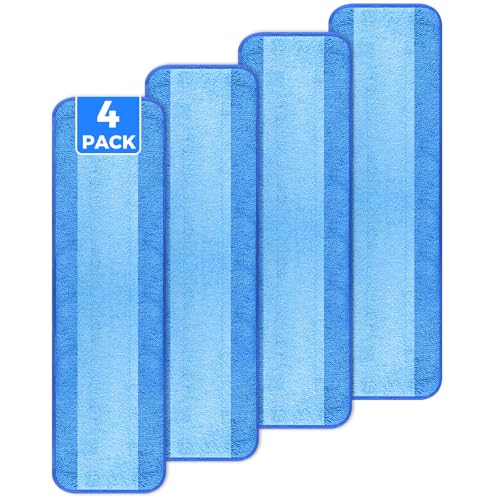
- Microfiber mop pads for tile floors
- Tile and grout cleaner machine for floor
- Tile floor cleaning brush attachment


Before You Start
Prepare the area by removing loose debris with a dry broom or vacuum designed for hard floors. Test cleaner on a small, inconspicuous area to ensure no staining or dulling occurs. Protect nearby edges, cabinets, and baseboards. Time estimate: 30–60 minutes depending on tile size and residue level.
Step-By-Step: How To Clean Sticky Floor Tiles
- Vacuum or sweep the entire area to remove loose grit that can scratch tiles during cleaning.
- Fill the steam mop’s reservoir with hot water and a small amount of a pH-neutral cleaner, following the manufacturer’s guidelines.
- Steam mop tiles in sections, letting the steam loosen sticky residue. Wipe with a clean microfiber pad as you go.
- Attach a microfiber mop pad designed for tile floors and rinse it often to prevent re-depositing grime.
- If stickiness remains, use an electric floor scrubber for tile floors with a mild, tile-safe cleaner. Work in small, overlapping passes.
- Switch to a tile floor cleaning brush attachment for stubborn spots around grout lines; use gentle scrubbing to avoid roughing the grout.
- Rinse or wipe away loosened residue with a damp microfiber pad; ensure the floor is not left with excess moisture.
- Dry the surface with a clean, dry microfiber pad or a towel to prevent water spots and slip hazards.
- Inspect the floor and repeat any steps needed only on problematic sections, avoiding over-wetting.
- Use a tile and grout cleaner machine for embedded grime if frequent stickiness occurs, following device-specific instructions.
- Finish with a final pass using a clean microfiber pad to restore uniform sheen and remove any remaining residue.
- Allow the floor to air-dry completely before foot traffic returns to the area.
Troubleshooting
| Symptom | Likely Cause | Fix | Prevention |
|---|---|---|---|
| Residue remains after cleaning | Sticky film from cleaner or mineral deposits | Switch to a pH-neutral cleaner and run an extra pass with steam | Avoid harsh cleaners; rinse well |
| Tiles feel dull after cleaning | Over-wetting or leftover cleaner on surface | Rinse with plain water and dry thoroughly | Use minimal moisture and dry promptly |
| Grout looks discolored | Embedded grime in grout lines | Use tile floor cleaning brush attachment with grout-safe cleaner | Regular maintenance to prevent buildup |
| Streaks on tiles | Dirty pads or improper drying | Switch to clean microfiber pads; dry in sections | Wash pads frequently during cleaning |
Common Mistakes
- Using overly harsh chemicals that damage tile finishes or grout
- Over-wetting tiles, which can seep into grout and edges
- Forgetting to rinse and dry after steam cleaning, leaving a film
- Neglecting routine maintenance, allowing sticky buildup to accumulate
Tips For Best Results
- Rotate between a steam mop and a microfiber pad for balanced cleaning and drying.
- Choose a mild, pH-neutral cleaner designed for tile floors to protect finishes.
- Target high-traffic areas with a tile floor cleaning brush attachment to address grout lines.
- Keep cleaning tools dedicated to hard floors to avoid transferring residue to carpets or rugs.
- Schedule regular weekly maintenance to prevent heavy adhesion of spills and dirt.
Call A Professional
If the floor shows persistent staining, sealant wear, or grout deterioration, or if you notice warping or cracked tiles, contact a professional floor technician. Sudden changes in tile appearance or persistent moisture issues can indicate structural concerns requiring expert assessment.
FAQ
Can I use vinegar to clean sticky tiles?
Vinegar can be effective on some tile types but may damage certain grout or sealers. Test first on an inconspicuous area and use a diluted, pH-neutral cleaner as a safer alternative.
What’s the best cleaner for greasy or sticky residue?
A pH-neutral tile cleaner or a dedicated tile and grout cleaner machine with a mild formula works well without harming grout.
How often should I deep clean tile floors?
Deep cleaning every 1–2 weeks for busy areas helps prevent buildup, with lighter cleanings in between as needed.
Is steam cleaning safe for all tile types?
Most ceramic and porcelain tiles respond well to steam, but natural stone or unglazed tiles may require gentler methods or stone-specific cleaners.
How can I speed up drying time?
Use a dry microfiber pad after cleaning and ensure good air circulation in the room to promote faster evaporation.
Do I need to reseal grout after cleaning?
Grout sealing is often recommended periodically, especially in areas prone to moisture. Check the grout type and factory guidelines.
Buying Guide
When selecting tools to clean sticky floor tiles, consider size and layout, noise levels, energy efficiency, control options, and placement in the home. For larger spaces, a responsive electric floor scrubber for tile floors can speed up deep cleaning, while a steam mop offers convenient quick cleanups without heavy scrubbing. Look for microfiber mop pads designed for tile floors to maximize absorbency and minimize streaks. If grout buildup is a concern, a tile floor cleaning brush attachment paired with a tile and grout cleaner machine can tackle crevices effectively. Consider storage and ease of use when choosing between handheld attachments and more robust machines.