Keeping an older dishwasher clean is essential for maintaining efficiency and extending its life. This guide provides a practical, step-by-step approach to remove grease, mineral buildup, and debris that can hamper cleaning power in aging machines.
Quick Answer
Set aside 60 to 90 minutes, use hot water and a non-abrasive cleaner, and focus on the spray arms, filters, and tub interior. For stubborn buildup, repeat a targeted clean and consider periodic maintenance with a brush kit designed for dishwashers.
What You’ll Need
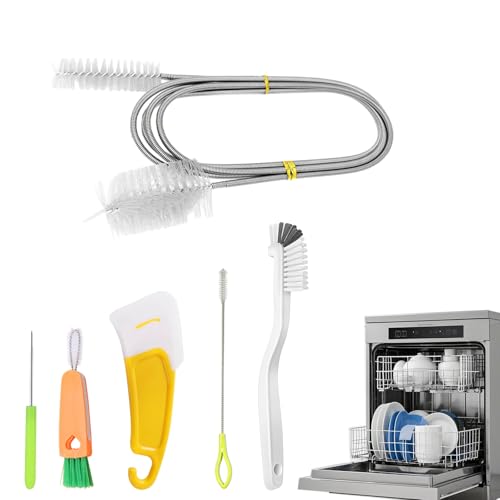
- Long reach dishwasher cleaning brush
- Dishwasher spray arm cleaning brush
- Dishwasher filter cleaning brush
- Dishwasher tub cleaning brush set
- Dishwasher maintenance kit brush


Before You Start
Ensure the dishwasher is unplugged or the circuit breaker is off to avoid any electrical risk. If the unit is in heavy use area, relocate nearby items to prevent water damage. Wear gloves and eye protection when using cleaners. Run a quick empty cycle with a dishwasher-safe cleaner to loosen grime before detailed disassembly. For aging models, expect more stubborn residue and plan for extra scrubbing time. Avoid harsh abrasives that can scratch stainless steel or enamel finishes.
Step-By-Step: How To Clean An Old Dishwasher
- Remove the racks and bottom spray arm to access the tub walls and built-up grime.
- Inspect and remove any obvious debris from the filter and sump area using the dishwasher filter cleaning brush.
- Soak the interior with a dishwasher-safe cleaner or a 1:1 white vinegar and water spray to loosen mineral deposits.
- Scrub the tub perimeter, door gasket, and hard-to-reach corners with the dishwasher tub cleaning brush set to dislodge grime.
- Clean the spray arms by removing them if possible, then scrub the nozzles with the spray arm cleaning brush to clear clogs.
- Reassemble the components and run a hot-water cycle with a cleaning agent to rinse residue from the interior and spray arms.
- Inspect the door seal for wear and clean along the seal with a damp cloth and brush to remove mildew buildup.
- Run a second empty cycle with a sanitizer option if available, to ensure the interior is thoroughly disinfected.
- Wipe the exterior and control panel to remove fingerprints and residual cleanser from aging surfaces.
- Schedule a monthly maintenance routine using the appropriate brushes to prevent future buildup.
- Keep an eye on performance—if cleaning power remains weak, proceed to troubleshooting or professional service as needed.
Troubleshooting
| Symptom | Likely Cause | Fix | Prevention |
|---|---|---|---|
| Poor cleaning on dishes | Clogged spray arms or filters | Clean spray arms and filters with corresponding brushes | Clean monthly, especially in hard water regions |
| Rust spots on interior | Worn door gasket or metal corrosion | Inspect and replace gasket; avoid harsh cleaners | Use non-acid cleaners and keep surfaces dry when not in use |
| Unpleasant odor | Trapped food debris or mold | Thorough tub cleaning and sanitize cycle | Leave door ajar after cycles to air out |
| Water pooling under machine | Drainage issue or clogged filter | Clean filter and sump; check drainage hose | Regular filter maintenance |
Common Mistakes
- Using abrasive pads that scratch enamel or stainless surfaces
- Overlooking seals and gaskets during cleaning
- Neglecting the filter and spray arms during routine maintenance
- Failing to run hot cycles after cleaning, leaving residue behind
Tips For Best Results
- Choose a dishwasher-safe cleaner or a simple vinegar solution for a natural clean, but avoid mixing chemical cleaners inside the unit.
- Pre-soak stubborn areas using warm water and a brush before scrubbing.
- Use the long reach brush to tackle corners and the tub walls where grime collects.
- Record maintenance dates to establish a regular cleaning cadence aligned with your dishwasher’s usage
Call A Professional
Consider contacting a technician if you notice persistent drainage problems, persistent foul odors after multiple cleanings, or unusual noises during operation. Stop using the dishwasher and seek professional help if wiring or control panels show signs of damage, or if leaks occur despite routine cleaning.
FAQ
How often should I clean an old dishwasher?
Aim for a thorough clean every 1–3 months, with light monthly maintenance to prevent buildup.
Can I use vinegar to clean the dishwasher tub?
Yes, a diluted vinegar solution can help dissolve mineral deposits, but avoid mixing with bleach.
What if the spray arms won’t spin after cleaning?
Check for clogs in the spray arm nozzles and ensure they’re properly attached; clean with the spray arm cleaning brush.
Is it safe to use a brush kit on stainless steel interiors?
Yes, use non-abrasive brushes designed for dishwasher interior surfaces to prevent scratching.
Buying Guide
When choosing accessories or a maintenance approach for an older dishwasher, consider how well cleaning tools reach hard-to-access areas and their compatibility with your model. Look for kits that include multiple brush types to cover filters, spray arms, tub, and seals. Consider the dishwasher’s size, the complexity of its spray arms, and the ease of disassembly. Noise level and energy usage do not change with cleaning tools, but efficient cleaning can preserve performance and minimize water and energy waste. Regular maintenance with the right brushes keeps older units functioning as effectively as possible and extends service life.