Spills happen in homes, workshops, and workplaces, but a quick, well-planned response minimizes damage and reduces cleanup time. This guide provides a practical, step-by-step approach to cleaning up a wide range of spills using common absorbents, containment gear, and basic cleanup tools.
By following a structured process, users can manage liquids safely, protect surfaces, and prevent slip hazards. The advice here focuses on readily available tools and materials suitable for most American settings, from kitchens to garages and small offices.
Quick Answer
Act fast, contain the spill, absorb thoroughly, and dispose of waste properly. Use appropriate absorbents, gloves, and a wet/dry vacuum for larger liquid spills. Always ventilate if the liquid gives off fumes and avoid mixing incompatible chemicals.
What You’ll Need
- Absorbent spill kit universal sorbents pads socks
- Industrial absorbent socks spill containment kit
- Microfiber mop head and bucket set for spills
- Disposable nitrile gloves chemical resistant heavy duty
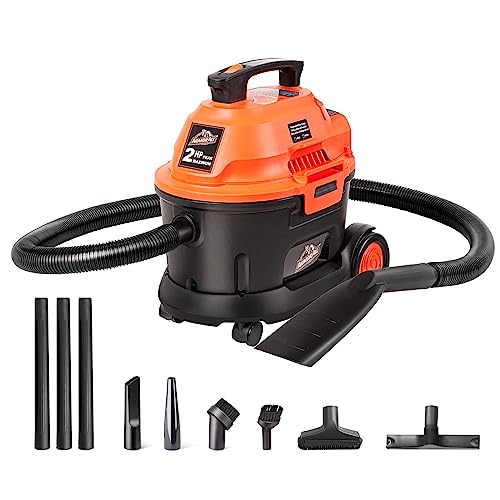
- Wet/dry shop vacuum for liquid spills


Before You Start
Assess the spill type and area. For chemical spills, use dedicated PPE and avoid mixing different absorbents unless specified by the product instructions. Clear the area of foot traffic and remove nearby valuables if possible. Ventilate the space to disperse fumes when safe. Time estimates vary: small spills in minutes; larger spills may require 15–30 minutes or more for thorough containment and cleanup. Critical cautions: never mix incompatible chemicals, never siphon liquids by mouth, and always wear chemical-resistant gloves.
Step-By-Step: How To Clean Up A Spill
- Identify the liquid and read any label instructions on absorbents or PPE before use.
- Shut off any sources of the liquid if safe to do so (e.g., faucet, equipment valve).
- Put on disposable nitrile gloves and any other necessary protection (eye protection if splashing risk).
- Contain the spill by creating a barrier using absorbent socks and pads to prevent spreading to adjacent areas.
- Apply absorbent products evenly over the spill, letting them soak up the liquid for the recommended time (usually a few minutes).
- Use a microfiber mop head and bucket to agitate and collect absorbed material, then wring out as needed.
- For larger spills, deploy a wet/dry shop vacuum to remove soaked absorbent material and remaining liquid.
- Place used absorbents and PPE in a sealed bag or container for proper disposal according to local regulations.
- Clean the area with a mild detergent or appropriate cleaner to remove residue and odors.
- Dry the surface completely with towels or a dry mop to prevent future slipping hazards.
- Inspect the area for missed spots. Re-treat if necessary and re-clean the floor or surface.
- Document the spill details if required by workplace safety protocols and return tools to storage.
Troubleshooting
| Symptom | Likely Cause | Fix | Prevention |
|---|---|---|---|
| Residual stain or odor after cleanup | Spill absorbed but not cleaned; residue on surface | Re-apply absorbent and clean with detergent | Address spills promptly; use odor-control cleaners |
| Absorbent pads not soaking up liquid | Wrong absorbent type for liquid; saturated too fast | Switch to compatible spill kit contents or use more absorbents | Select absorbents designed for the liquid |
| Slippery floor after cleanup | Residual moisture or slick surface | Thoroughly dry with towels or dry mop; re-clean if needed | Ventilate and dry promptly |
| Fumes from chemical spill | Volatile liquid or poor ventilation | Increase ventilation; evacuate if strong odor; use respirators if required | Read safety data sheets and follow guidelines |
| Gloves damaged during cleanup | Rough surfaces or sharp edges | Replace gloves immediately and dispose of contaminated gear | Inspect PPE before use |
Common Mistakes
- Using the wrong absorbent for the liquid, reducing effectiveness
- Skimping on PPE or failing to ventilate fumes
- Forcing liquid into cracks or drains instead of containing it
- Letting the spill spread across multiple surfaces without barriers
- Skipping proper disposal of contaminated materials
Tips For Best Results
- Keep a ready-to-use spill kit with clearly labeled contents for quick access
- Establish a simple color-coded system for PPE and absorbents to avoid cross-contamination
- Test cleaner compatibility on a small area before broad application
- Use a microfiber mop head to minimize lint and improve absorption
- Document spills in a log to identify recurring issues and improve procedures
Call A Professional
Seek professional help if the spill involves hazardous chemicals, large quantities, or unknown substances. Stop signs include strong chemical fumes, staining across porous surfaces, or the need for specialized containment and disposal. In workplaces, contact the safety officer or local environmental health authority for guidance on cleanup and waste disposal.
FAQ
What should I do first after a spill?
Contain the liquid and wear protective gloves before proceeding with absorption and cleanup.
Can I use ordinary towels to clean up a spill?
Only for small, dry spills. For liquids, use dedicated absorbents and proper PPE.
Are absorbent socks and pads interchangeable?
They serve similar purposes but are selected based on the spill’s location and liquid type; socks help contain spreading, pads absorb larger surface areas.
How should used cleanup materials be disposed of?
Place contaminated items in a sealed bag or container and follow local disposal regulations for hazardous or non-hazardous waste.
Buying Guide
When selecting spill cleanup products, consider size, absorbency capacity, and compatibility with common household and workshop liquids. Look for a complete kit that includes socks, pads, and a containment kit for best coverage. Noise levels and energy use are less relevant for manual cleanup tools but relevant for powered equipment like a wet/dry shop vacuum. Ensure PPE is chemical resistant and comfortable for extended use. Placement matters: store kits in accessible, clearly labeled locations near high-traffic areas and potential spill sites. Compare options by liquid type, ease of use, disposal guidelines, and whether the kit includes a microfiber mop set or a storage bucket for efficient cleanup. If multiple locations or frequent spills occur, a tiered approach with a larger containment kit plus portable absorbents can save time and reduce risk. Would you benefit from a modular system that scales with spill size and environment? Choose a setup that keeps essential items together and clearly organized for quick response.