Leather car seats add a touch of luxury and comfort to a vehicle, but they require proper care to maintain their appearance and longevity. This guide provides a clear, step-by-step approach to cleaning leather car seats using consumer-friendly tools and products available in the U.S. market. Readers will learn how to remove dirt, treat stains, and protect leather from daily wear.
Quick Answer
Begin with a gentle, pH-balanced leather car seat cleaner spray to lift dirt, followed by a soft brush or microfiber cloth. Use a leather conditioner to restore moisture and finish with microfiber cloths for a polished look. For stains, apply a targeted gel stain remover, then recondition the seat to prevent cracking and fading.
What You’ll Need
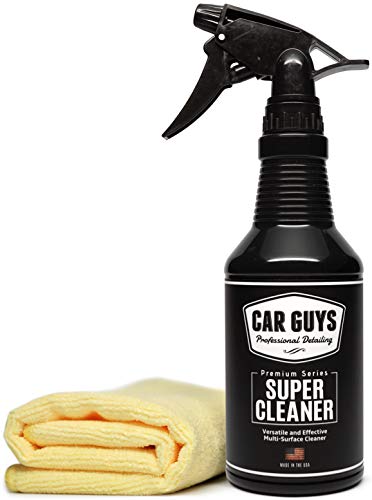
- Leather car seat cleaner kit with brush and microfiber cloth
- pH balanced leather car seat cleaner spray
- Leather conditioner for car seats cream
- Microfiber cloths for leather car seat cleaning
- Stain remover for leather car seats gel


Before You Start
Before cleaning, vacuum the seats thoroughly to remove loose debris. Perform a spot test in an inconspicuous area to confirm no color change or residue. Work in a well-ventilated space and use a soft brush to avoid scratching the leather. Allow adequate drying time between steps. Avoid saturating leather with liquids, as excessive moisture can compromise the seat’s structure and finish.
Step-By-Step: How To Clean Leather Car Seats Effectively
- Prepare the surfaces by removing debris with a dry microfiber cloth. This reduces the amount of dirt that can grind into the leather during cleaning.
- Apply a small amount of pH balanced leather car seat cleaner spray to a microfiber cloth or the included brush. Test first on a hidden area to ensure color stability.
- Gently work the cleaner in circular motions across the seat surface, paying attention to seams and crevices where dirt accumulates.
- For textured areas, use the brush from the leather car seat cleaner kit to lift embedded grime without damaging the finish.
- Wipe away loosened dirt with a clean microfiber cloth. Inspect the seat, repeating the cleaning on stubborn stains if necessary.
- If stains persist, apply a small amount of stain remover for leather car seats gel directly to the spot and let it sit as directed. Blot gently rather than scrubbing.
- Spritz a light mist of the pH balanced cleaner again, then wipe with a fresh microfiber cloth to remove any lingering residue.
- Apply a thin layer of leather conditioner for car seats cream to restore moisture and flexibility. Work it evenly into the surface with a clean cloth.
- Buff the leather with a dry microfiber cloth to remove any excess conditioner and to achieve a uniform shine.
- Let the seats air-dry completely before use. If the vehicle has multiple leather surfaces, repeat the process as needed for consistent results.
- Inspect for any remaining spots and repeat targeted steps only on affected areas to minimize over-saturation.
- Regular maintenance: clean every 1–3 months depending on usage and climate, and condition every 3–6 months to maintain suppleness.
Troubleshooting
| Symptom | Likely Cause | Fix | Prevention |
|---|---|---|---|
| Discolored patches after cleaning | Improper pH balance or over-wetting | Rinse with a neutral cleaner, blot dry, and recondition | Test in a hidden area; use small amounts of cleaner |
| Sticky residue after conditioning | Too much conditioner or incompatible product | Wipe with a clean microfiber until residue is gone | Apply thin layers and allow full drying between coats |
| Cracking or stiffness after cleaning | Leather is very dry or degraded | Apply conditioner generously and repeat as needed | Schedule regular conditioning maintenance |
| New staining after rain or spills | Moisture seeping into seams | Gently pat dry, repeat cleaning, and dry thoroughly | Avoid soaking; use absorbent towels immediately |
Common Mistakes
- Using household cleaners not designed for leather, which can strip oils
- Over-wetting seats during cleaning, increasing the risk of damage
- Skipping a test patch, causing unintended color changes
- Neglecting regular conditioning, leading to dryness and cracking
Tips For Best Results
- Always work in the shade to prevent fast evaporation and streaks on leather surfaces
- Use a dedicated leather cleaner kit with a brush and microfiber cloth for best lift and finish
- Condition after cleaning to restore moisture and enhance longevity
- Keep microfiber cloths clean and dry to avoid re-depositing dirt
Call A Professional
Consider contacting a professional if the seats show deep cracking, color fading, or extensive staining that does not respond to standard cleaning and conditioning. Stop using home remedies if the leather crinkles, smells moldy, or shows water damage, as improper repair could worsen the condition.
FAQ
Can I use ordinary soap to clean leather car seats?
Ordinary soaps can strip natural oils and harm the leather; use products formulated for leather care.
How often should I condition leather car seats?
Condition every 3–6 months, or more often in dry climates or with heavy use.
Is conditioning leather the same as protecting it?
Conditioning adds moisture and flexibility; protective finishes guard against wear and stains.
What should I do if a stain remains after cleaning?
Reapply a targeted gel stain remover on the spot, then recondition and buff to blend with the surrounding area.
Buying Guide
When shopping for leather car seat care products, consider size, compatibility with your leather type, and ease of use. Look for a complete kit that includes a cleaner, brush, and microfiber cloths to maximize effectiveness. Noise level and energy efficiency are not relevant factors for these products, but shelf stability and scent can affect user experience. Evaluate how the products handle routine maintenance versus tough stains, and ensure the conditioner is compatible with your vehicle’s leather finish. For best results, choose a line that offers both a cleaner spray and a separate conditioner cream, and verify that a stain remover gel is included for specialty spots. Finally, assess user reviews and test patches before committing to a full routine. Interested in options? A balanced kit paired with a separate conditioner and microfiber cloths can simplify regular leather upkeep, keeping seats looking premium without harsh scrubbing or overuse of liquids.