Marble steps add elegance to stairways, but their beauty is best preserved with proper cleaning. This guide provides practical steps using common marble care products to maintain shine while preventing etching and dulling. Readers will learn how to choose the right cleaners, avoid harsh chemicals, and restore luster without risking damage.
Quick Answer
Use a pH-neutral marble cleaner for routine cleaning, paired with a microfiber mop for a streak-free finish. For stubborn spots, apply a marble etch remover poultice, then seal stairs to protect against future staining. Always dry thoroughly after cleaning to prevent water stains.
What You’ll Need
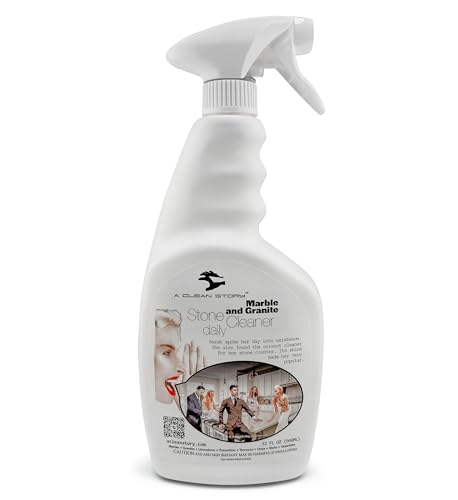
- pH neutral marble cleaner spray 32 oz — safe for daily use on marble surfaces
- marble stone cleaner with microfiber mop kit — all-in-one cleaning solution with compatible mop
- streak-free microfiber mop for marble steps — minimizes residue and streaks
- marble etch remover poultice 8 oz — for treating etched or dull spots
- marble sealer for stairs 18 oz — protects against stains after cleaning


Before You Start
Prepare the staircase by removing loose debris with a soft broom or vacuum designed for hard floors. Test any cleaner in a small inconspicuous area first to confirm it does not react with the marble. Work in manageable sections to prevent solution from drying on the surface. Avoid acidic cleaners, highly alkaline products, and ammonia, as these can etch marble and dull the stone. Plan for 1–2 hours of cleaning plus sealing if needed, depending on staircase length and condition.
Step-By-Step: How To Clean Marble Steps
- Dust or vacuum the steps to remove loose dirt and grit that could scratch the surface during cleaning.
- Fill a spray bottle with pH neutral marble cleaner spray 32 oz. Lightly mist a small section of the stair tread.
- Gently mop with the streak-free microfiber mop for marble steps, moving in the direction of the grain to avoid streaks.
- If a spot or stain persists, apply a small amount of marble etch remover poultice 8 oz following the product directions. Cover, wait as recommended, then wipe away.
- Rinse the area with a clean, damp microfiber cloth to remove any residue from cleaner or poultice, ensuring no film remains.
- Dry the cleaned area thoroughly with a dry microfiber pad or towel to prevent water marks and mineral deposits.
- Repeat sections until all steps are cleaned, focusing on the edge and tread where dirt collects.
- Apply a light coating of marble sealer for stairs 18 oz after the surface is completely dry, following manufacturer instructions for cure time and coverage.
- Revisit high-traffic sections after sealing to ensure even coverage and a consistent finish.
- Store cleaners and tools properly, keeping the area dry during the curing period for optimal sealant performance.
Troubleshooting
| Symptom | Likely Cause | Fix | Prevention |
|---|---|---|---|
| Dull appearance after cleaning | Residual cleaner film | Reclean with a damp microfiber cloth, then dry thoroughly | Use a streak-free microfiber mop and avoid over-saturation |
| Etching marks | Acidic cleaner contact | Apply marble etch remover poultice as directed, then reseal | Always use pH-neutral cleaners |
| Streaks after drying | Water spots or residue | Wipe with a dry microfiber pad and buff gently | Rinse with clean water, dry immediately |
| Sealant not curing evenly | Surface not completely dry or uneven application | Allow full cure time and reapply thin coats evenly | Follow temperature and humidity guidelines |
Common Mistakes
- Using citrus or vinegar cleaners on marble, which can cause etching
- Over-wetting the steps during mopping, leading to water infiltration
- Skipping a test spot, risking discoloration or damage
- Neglecting to reseal marble stairs after cleaning when needed
Tips For Best Results
- Clean regularly with a pH neutral marble cleaner spray 32 oz to prevent buildup
- Choose a marble stone cleaner with microfiber mop kit for efficient, residue-free cleaning
- Maintain a quick-dry routine after cleaning to preserve the sealer
- Use a dedicated microfiber mop designed for marble to avoid cross-contamination from other surfaces
- Inspect stairs annually and reapply sealer as recommended to sustain protection
Call A Professional
Consider professional help if marble shows deep etching, staining from spills, or sealant peeling. Seek a specialist when stair steps have extensive damage, or if the sealer fails to cure after repeated applications. If cleaning requires tools beyond routine care, a pro can advise on advanced restoration or re-sealing strategies.
FAQ
What is the best cleaner for marble stairs?
A pH-neutral marble cleaner spray is ideal for routine cleaning on marble stairs.
Can I use standard floor cleaners on marble steps?
No, avoid acidic or highly alkaline cleaners that can etch marble; stick to pH-neutral products.
How often should I seal marble stairs?
Sealants typically need reapplication every 1–2 years, depending on traffic and wear.
Is it safe to use a microfiber mop on marble?
Yes, a streak-free microfiber mop is safe and effective when used with appropriate marble cleaners.
Buying Guide
Choosing the right products for marble stairs involves evaluating several factors. Consider the surface size and foot traffic to determine how often cleaning and sealing are needed. Look for a pH neutral marble cleaner spray 32 oz for routine care and a marble sealer for stairs 18 oz to protect the surface after cleaning. A complete marble stone cleaner with microfiber mop kit simplifies maintenance by combining cleaner and mop into one system. For problem spots, keep a standby marble etch remover poultice 8 oz to treat etched areas promptly. Ensure cleaning tools are designed for marble to reduce the risk of scratching. Finally, assess noise, weight, and ease of use if you prefer a mop with integrated features, such as a wring mechanism or adjustable handle.
When comparing options, ask: Is the cleaner pH-neutral and labeled safe for marble? Does the sealer indicate compatibility with stairs and a recommended curing time? Is the mop soft and non-abrasive, designed to pick up dust and moisture without leaving lint? Is the poultice easy to apply and remove without discoloring marble? And does the kit include all necessary components for a complete cleaning cycle?