Quick Answer
Brown water is typically caused by iron, rust, or sediment in well water. A staged approach often works best: test the water, install an iron-removal filtration system, use a sediment filter to catch particulates, and treat the water with a softener if iron is high. For homes with persistent staining or foul odors, combining filtration with routine maintenance can restore clear, clean water.
What You’ll Need
The following tools and components cover common needs for removing brown water from well supplies. Assemble these before starting any installation or maintenance work.
- whole house iron removal water filtration system
- well water iron test kit strips
- sediment and rust filtration cartridge for well water
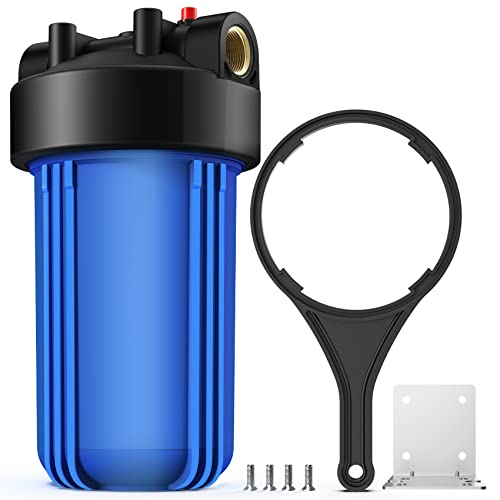
- 10×2.5 inch water filter housing with iron reducing cartridge
- water softener for iron rust removal
- Adjustable wrench, pliers, and Teflon tape
- Bucket, towels or rags for any spills
- Drain hose or siphon for flushing lines


Before You Start
Before tackling brown water, perform a basic water test to understand iron levels and sediment presence. Wear eye protection and gloves when handling filters and pipes. Confirm the main power is off and depressurize the system before removing any housings. Plan for a few hours of work if you are installing a whole-house system; simpler cartridge changes can take under an hour. Surface preparation matters: ensure all plumbing connections are dry and free from leaks.
Step-By-Step: How To Clear Brown Water From A Well
- Test your water using well water iron test kit strips to determine iron concentration, hardness, and sediment levels.
- Shut off the main water supply and relieve system pressure. Drain water from the lowest faucet to verify a dry line.
- Inspect the existing filtration setup. If iron or rust is present, plan to replace or upgrade the filtration stage.
- Install a sediment and rust filtration cartridge for well water upstream of any iron-removal device to capture particulates.
- Mount and connect a 10×2.5 inch water filter housing with iron reducing cartridge according to manufacturer instructions. Use Teflon tape on threaded connections.
- If metal piping shows significant rust, consider replacing sections or adding a pre-filter to protect equipment from ongoing particulates.
- Install a whole house iron removal water filtration system downstream of the main shutoff, ensuring proper clearance and drainage for backwash if applicable.
- Reconnect power (if electronic) and restore water flow gradually. Open taps starting with the nearest faucet to purge air and debris.
- Flush the system for 15–30 minutes or as recommended by the filter manufacturer, then re-test the water with the strips to confirm iron reduction.
- Schedule periodic filter changes and monitor water color. If brown color recurs, check for high iron content or source water issues that require a stronger treatment method.
- If water remains discolored after the initial setup, consider consulting a professional for a custom filtration solution or well assessment.
Troubleshooting
| Symptom | Likely Cause | Fix | Prevention |
|---|---|---|---|
| Water still brown after flushing | Old filter cartridges or insufficient flow | Replace cartridges; confirm flow rate matches system specs | Schedule routine maintenance |
| Iron taste or smell persists | Iron oxidation not fully treated | Check iron-removal cartridge or add a pre-oxidation step | Use correct filtration stages for iron |
| Low water pressure | Clean or replace filters and inspect housing | Regular maintenance schedule | |
| Discolored water after rain or well drawdown | Increased sediment or iron mobilization | Flush system and ensure pre-filters are clean | Protect well from surface ingress |
Common Mistakes
- Using a filtration system not sized for your iron level or flow rate.
- Neglecting to replace sediment filters on schedule, leading to reduced performance.
- Overlooking the need for a pre-filter when significant rust is present.
- Assuming a single stage filter will handle all contaminants without testing.
Tips For Best Results
- Test water both before and after installation to verify the system is working as intended.
- Choose a whole house iron removal water filtration system designed for your home’s peak usage and iron concentration.
- Keep spare cartridges on hand so changes can be made promptly to minimize downtime.
- Coordinate with local regulations or well professionals if well integrity issues are suspected.
Call A Professional
Signs that call for a professional include persistent brown water after multiple filtration stages, unusual odors, or a suspected well integrity issue (water contamination, fluctuating pressure, or wellhead problems). If you notice ongoing staining on laundry or fixtures despite treatment, seek a water specialist to evaluate the iron load, sediment levels, and potential iron bacteria concerns.
FAQ
What is the quickest way to remove brown water?
Install a stage-appropriate filtration combination, starting with sediment filtration, then iron reduction, and finally a water softener if needed.
Can a water softener help with brown water?
Yes, a water softener can help when iron is present, but it should be part of a complete system designed for iron removal rather than used alone.
Do I need professional testing before buying filters?
Testing is highly recommended to determine iron levels, sediment, and water hardness, ensuring you select the correct filtration configuration.
How often should filters be replaced?
Replace sediment and rust filters every 6–12 months, and iron-reduction cartridges according to manufacturer guidelines or sooner if flow decreases.
Is brown water dangerous?
Brown water is typically an aesthetic issue caused by iron and sediment; it should not be hazardous, but it indicates water quality that benefits from filtration and regular monitoring.
Buying Guide
Size and Flow Rate
Choose systems sized for your household water demand. For a family of four with a well, a whole-house iron removal unit sized for your peak daily gallons helps ensure consistent pressure and filtration without frequent maintenance.
Noise Level
Most filtration systems are quiet. Consider a model with a silent backwash option if installed in a garage or living area.
Energy Efficiency
Most filtration systems operate passively—no energy use beyond any electronic controls. If your setup includes a softener or an active backwash, look for energy-efficient models with programmable timers.
Controls and Monitoring
Opt for systems with simple, clear indicators for filter replacement and service life. Some models come with digital monitoring or simple color-change indicators.
Placement and Installation
Plan for accessible mounting near the main water line, with room for filter changes and drainage. Adequate clearances prevent leaks and make maintenance easier.
Compatibility and Upgrades
Consider a system that can be upgraded with additional stages if your water quality changes, such as adding a pre-oxidation step or swapping to a stronger iron-removal cartridge.
Maintenance and Parts Availability
Check for readily available replacement cartridges and housings, and verify local service options or guidance from the manufacturer.