Cleaning a bathtub using baking soda is a simple, affordable, and effective method for removing soap scum, stains, and mineral deposits. This guide provides a practical, step-by-step approach that American homeowners can use with common household tools and the listed cleaning products.
Quick Answer
Fast method: sprinkle baking soda on damp surfaces, scrub with a non-scratch nylon scrub brush or a long-handled bath cleaning brush, rinse, and wipe dry with microfiber cloths for a streak-free finish.
What You’ll Need
- Non-scratch nylon scrub brush for bathroom tub
- Long-handled bath cleaning brush for tub
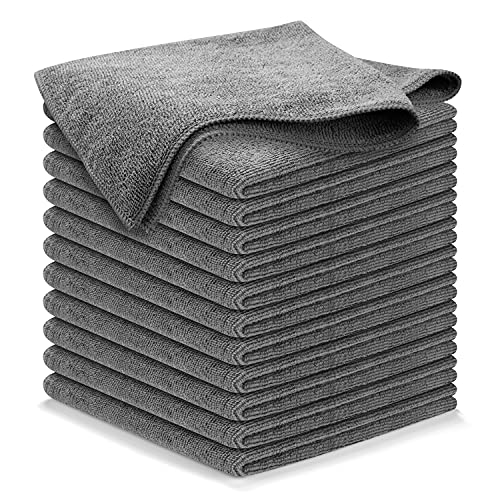
- Microfiber cleaning cloths for bathroom tub
- Adjustable spray bottle for cleaning solutions
- Baking soda paste scrub pad sponge for tub cleaning


Before You Start
Prepare the work area by removing personal items from the tub and laying down towels to catch drips. Ventilate the bathroom or open a window to avoid strong odors. Time estimate: 15–25 minutes for routine cleaning; 30–45 minutes for thorough stain removal. Safety cautions: avoid mixing baking soda with ammonia-based cleaners or bleach; test on a small, inconspicuous area first to ensure colorfastness.
Step-By-Step: How To Clean A Bathtub With Baking Soda
- Wet the tub surface with warm water to help activate the baking soda.
- Sprinkle baking soda directly onto soap scum and stained areas, creating a light, even layer.
- Combine a small amount of water with baking soda to form a paste using the baking soda paste scrub pad sponge for stubborn spots.
- Use a non-scratch nylon scrub brush or the long-handled bath cleaning brush to scrub in circular motions, focusing on corners and grout lines.
- Rinse the tub with clean water or use a spray bottle to apply a rinse solution, then wipe with microfiber cloths to remove residue.
- For hard water deposits, reapply baking soda paste to the affected areas and let it sit for a few minutes before scrubbing again.
- Rinse thoroughly and inspect for remaining spots; repeat as needed.
- Dry the tub with a microfiber cloth to prevent water spots and soap film from reforming.
- Store brushes and cloths in a dry area to prevent mold growth between cleanings.
- Dispose of any used paste or brushes that show wear beyond cleaning needs.
- Optional: use a spray bottle to mist a final light rinse of plain water and a quick wipe for shine.
- Maintain routine cleaning every week or two to minimize buildup.
Troubleshooting
| Symptom | Likely Cause | Fix | Prevention |
|---|---|---|---|
| Stains persist after cleaning | Deep staining or mineral buildup | Apply baking soda paste, let sit 5–10 minutes, scrub again, then rinse | Clean regularly to prevent buildup |
| Streaks on glossy enamel | Residue left from cleaners | Rinse thoroughly and wipe with microfiber cloth | Rinse after each cleaning; avoid overusing cleaners |
| Scrub brush gums or bristles wear quickly | Using abrasive pressure | Use light to moderate pressure; switch to softer tools if needed | Choose appropriate brush for tub material |
| Cloth smells musty after drying | Residual moisture or mold growth | Dry thoroughly and air out the bathroom | Store cloths in a dry, ventilated area |
Common Mistakes
- Using abrasive pads that scratch enamel or fiberglass surfaces
- Mixing baking soda with bleach or ammonia-based cleaners
- Working on soaking wet surfaces for too long, which can spread grime
- Neglecting to rinse and dry after cleaning, leading to new soap scum
- Skipping a test area for colorfastness before applying cleaner everywhere
Tips For Best Results
- Pre-wet the tub to help baking soda cling to surfaces and reduce scratch risk.
- Use a long-handled brush to reach behind faucets and corners without leaning over the tub.
- Pair microfiber cloths with baking soda for a gleaming, residue-free finish.
- For frequent cleanings, keep the adjustable spray bottle filled with warm water and a splash of mild detergent for quick touch-ups.
- Invest in quality tools: durable brushes and soft cloths reduce wear and improve results over time.
Call A Professional
Consider contacting a professional if the bathtub has extensive staining that does not respond to baking soda treatments, if there are visible cracks or damage to enamel or porcelain, or if persistent mold or mildew appears behind walls or grout lines. Seek help if you notice persistent odors, drainage issues, or water damage around the tub area.
FAQ
Can baking soda be used on fiberglass tubs?
Yes, baking soda is gentle enough for fiberglass, but avoid aggressive scrubbing to prevent dulling the surface.
Is baking soda safe for colored tubs?
Most colored tubs are safe, but test a small area first to ensure colorfastness.
How often should I clean my bathtub with baking soda?
For typical households, a routine clean every 1–2 weeks is effective, with deeper cleanings monthly as needed.
Can I mix baking soda with vinegar?
Avoid mixing the two in the tub; they neutralize each other, reducing cleaning effectiveness.
What if baking soda paste dries before I finish scrubbing?
Re-wet the surface and reapply the paste as needed to keep the paste active during scrubbing.
Buying Guide
Choosing cleaning tools and supplies for baking soda cleaning can influence results. When shopping, consider size, material, and ergonomics to match your tub type and cleaning routine.
- <bBrush selection: Non-scratch nylon brushes protect enamel and fiberglass while delivering effective scrubbing power. A long-handled option helps reach behind faucets and corners without bending.
- <bCloths and pads: Microfiber cloths excel at picking up residue and leaving a streak-free finish. A baking soda paste scrub pad sponge provides a targeted option for stubborn spots.
- <bSpray bottle: An adjustable spray bottle allows controlled application of water or mild cleaning solutions, minimizing waste and splashes.
- <bCleaning frequency and tub material: For heavily soiled tubs, invest in sturdier tools and consider a broader cleaning schedule; for lighter cleaning, basic brushes and cloths suffice.
- <bPlacement and storage: Keep tools dry between uses to prevent mold growth; store in a dedicated caddy or cabinet for easy access.
Are you choosing between a compact kit or a full cleaning set? Consider your tub size, frequency of cleaning, and whether you prefer reach tools or more compact options. Healthy choices balance effectiveness with ease of use, safety, and durability.