Cleaning a kitchen exhaust filter keeps a range hood effective at trapping grease and reduces fire risk. This guide provides practical, step-by-step instructions tailored for American kitchens, using common tools and cleaners that are widely available.
Regular maintenance extends hood life and maintains strong ventilation. The following method covers metal filters made of aluminum or stainless steel, which are the most common in U.S. homes.
Quick Answer
Remove the filter, soak in hot, soapy water or a degreaser, scrub with a long-handled brush, rinse thoroughly, dry completely, and reinsert. For stubborn residue, repeat or use a specialized kit designed for hood filters.
What You’ll Need
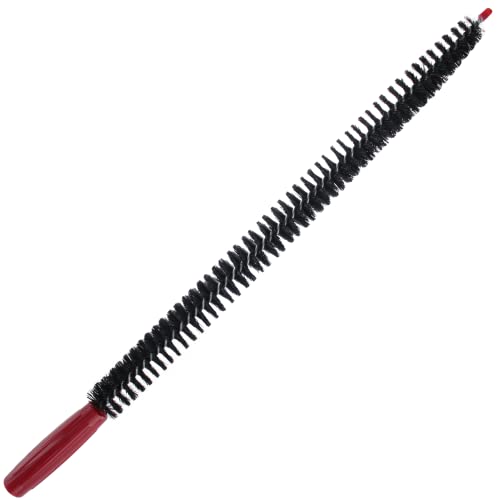
- Stainless steel hood filter brush long handle
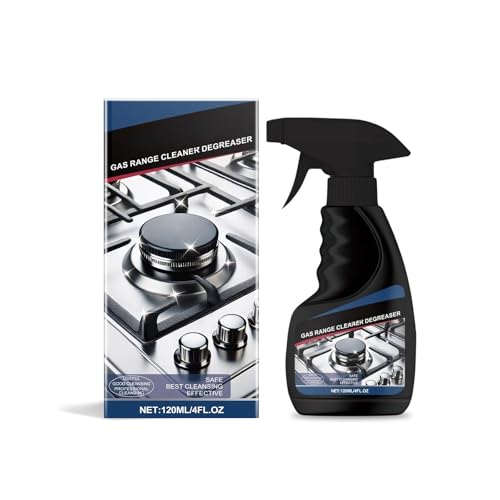
- Range hood filter degreaser spray
- Hood filter cleaning kit stainless steel brush
- Oven hood filter cleaner kit
- Aluminum hood filter cleaning brush

Before You Start
Unplug or switch off the range hood, and ensure the area is well-ventilated. Remove the filter according to the manufacturer’s instructions and inspect for warping or damage. Plan for a 30–60 minute cleaning session, plus drying time. Safety note: avoid harsh chemicals on painted or plastic components, and wear gloves to protect hands from hot water and grease.
Step-By-Step: How To Clean Kitchen Exhaust Filter
- Detach the filter from the hood following the user manual, noting how it is secured.
- Rinse the filter under warm running water to remove loose grease before soaking.
- Prepare a cleaning solution: hot water with a gentle degreaser or dish soap. For heavy buildup, use a dedicated hood cleaner kit as directed.
- Submerge the filter fully in the solution in a large sink or basin; let it soak 10–15 minutes.
- Use a long-handled brush (stainless steel or aluminum) to scrub both sides, paying attention to corners and serpentine baffles if present.
- Rinse the filter thoroughly with hot water until all soap and residue are gone.
- Dry the filter completely with a towel or air-dry on a rack before reinstalling.
- Inspect the filter for any remaining grease; repeat soaking and scrubbing if needed.
- Reinstall the filter securely in the hood and test the fan on low to ensure proper airflow.
- Wipe exterior surfaces of the hood and replace drip trays or liners if present.
- Schedule regular cleanings based on cooking frequency and grease buildup observed.
- Store cleaning tools and solutions in a ready-to-use kit for quick future maintenance.
Troubleshooting
| Symptom | Likely Cause | Fix | Prevention |
|---|---|---|---|
| Grease lines still visible after cleaning | Insufficient scrubbing or deep-set buildup | Re-soak and scrub longer with a heavy-duty brush | Clean more frequently to prevent hard buildup |
| Grease smell lingers | Residual cleaner or grease on filter | Rinse thoroughly; use a second rinse if needed | Rinse and dry completely after each cleanup |
| Filter warped or damaged | Overheating or excessive force during cleaning | Replace filter | Handle gently and follow manufacturer guidelines |
| Hood fan runs loudly after reinstall | Filter not seated properly | Recheck fit and reseat | Ensure proper alignment and secure latches |
Common Mistakes
- Using boiling water on aluminum filters, which can warp or corrode the metal
- Over-soaking beyond recommended times, which can degrade gasket seals
- Neglecting to dry the filter completely, inviting mold and odor
- Forgoing the recommended degreaser and using harsh solvents that damage finish
Tips For Best Results
- Establish a routine cleaning schedule aligned with cooking frequency and grease levels
- Use a dedicated hood filter cleaning brush to reach tight spaces
- Choose a degreaser compatible with metal filters to avoid corrosion
- Label the filter with last cleaned date to track maintenance
- If your hood uses charcoal filters, remember those are not washable and should be replaced per manufacturer guidance
Call A Professional
Consider professional help if the filter shows persistent residue, warping, or if the hood is venting poorly after cleaning. Stop signs: crackling noises from the fan, smoke when the hood is on, or visible damage to the filter or housing. Complex ductwork or high-rise installations may warrant pro evaluation.
FAQ
Can I clean a hood filter in the dishwasher?
Dishwasher use is not recommended for metal hood filters, as high heat and strong water jets can bend or corrode the filter frame.
How often should I clean my kitchen exhaust filter?
Most households benefit from a monthly clean during heavy cooking seasons and every 3–6 months for lighter use.
What if the filter is aluminum instead of stainless steel?
Aluminum filters clean similarly with hot water and a degreaser, but avoid aggressive scrubbers that might scratch the surface.
Are hood filter cleaners safe for all finishes?
Check labels and avoid cleaners with bleach or corrosive solvents on painted or plastic components.
Buying Guide
Choosing the right exhaust filter cleaning approach depends on filter material, size, and hood design. Start with the type of filter (stainless steel vs aluminum) and verify compatibility with your hood model. Consider these factors:
- Size and fit: Ensure the filter matches the hood’s dimensions and mounting method.
- Material: Stainless steel resists corrosion; aluminum is lighter but requires careful care.
- Cleaning tools: A long-handled stainless steel brush or aluminum brush helps reach baffles and edges.
- Cleaning agents: Use a degreaser spray or hood-specific cleaner designed for metal filters.
- Ease of maintenance: Kits that combine brush, cleaner, and detailed instructions can simplify routine cleanings.
- Noise and energy: Filtration efficiency affects hood performance; choose a kit that complements your hood’s airflow without clogging.
- Placement and accessibility: Wall-mounted or ceiling hoods in tight spaces may benefit from slender brushes and extendable handles.
Is it worth investing in a dedicated hood cleaning kit? For many homes, yes, especially when frequent cooking creates substantial grease buildup. Compare stainless steel brush kits with aluminum brushes, and look for reliable degreaser sprays that are safe for metal surfaces. A practical approach often combines a durable brush, validated cleaner, and a clear set of instructions to maintain performance and safety.