Glass surfaces often attract sticky residues from stickers, labels, or tabs. Whether you’re cleaning windows, glass doors, or glass tabletops, a careful approach helps restore clarity without damaging the material. This guide breaks down practical methods, suitable products, and safe steps to remove glue residue effectively on glass for American households.
Quick Answer
For light residue, start with a plastic scraper or a citrus-based adhesive remover and wipe with a soft cloth. For stubborn sticky patches, heat with a hot air heat gun briefly, then lift with a glass scraper blade and finish with a citrus solvent. Always test a small area first and work gently to avoid scratches.
What You’ll Need
- Adhesive remover for glass windows or citrus-based adhesive remover for glass
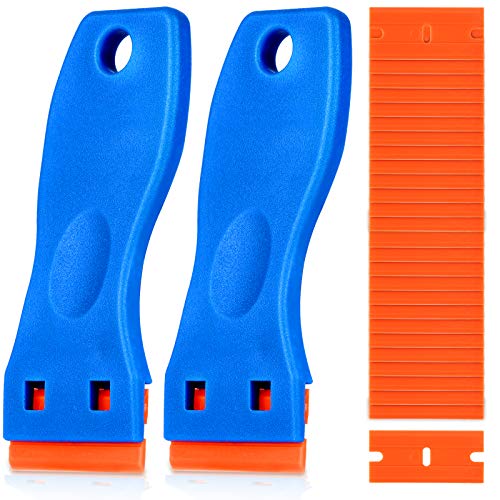
- Glass scraper with blade for sticker residue
- Plastic scraper for glass glue residue
- Hot air heat gun glue remover for glass
- Soft microfiber cloths or paper towels
- Rubbing alcohol or white vinegar (optional)


Before You Start
Prepare the area by laying down a soft cloth to protect nearby surfaces and catching drips. Work in a well-ventilated space, especially when using solvent-based removers. Test any product on an inconspicuous spot of the glass to ensure no etching or clouding occurs. For safety, wear gloves to protect skin and avoid inhaling fumes. Time estimates vary: light residue may take 5–10 minutes, while heavy buildup can require 20–30 minutes with careful repeats.
Important cautions: never use abrasive pads on glass, and never mix cleaning products with bleach or ammonia. Keep solvents away from children and pets, and store products according to the manufacturer’s instructions.
Step-By-Step: How To Remove Glue Residue From Glass
- Identify the residue type (paper label adhesive, glue, or sticker backing) to choose the right remover.
- Apply a small amount of citrus-based adhesive remover for glass to the residue, using a cotton swab or soft cloth. Let it sit for 60–120 seconds to loosen the glue.
- Gently lift the edge of the residue with a glass scraper with blade for sticker residue. Maintain a shallow angle to avoid scratching the glass.
- Continue in small sections, applying more remover as needed and scraping away the loosened glue.
- Wipe away loosened adhesive with a clean cloth. If stubborn bits persist, reapply remover and repeat the process.
- For tricky areas near edges, plastic scraper for glass glue residue can work without chipping the glass—use light pressure.
- Optionally, finish with a small amount of rubbing alcohol or white vinegar on a cloth to remove any final residue and to brighten the surface.
- Buff the glass with a dry microfiber cloth to restore clarity and remove streaks.
- Inspect the surface in bright light. If any haze remains, repeat the steps or switch to a mild solvent and repeat.
- Dispose of used wipes and solvents according to local guidelines, and wash hands after handling chemicals.
- Return the glass to its original use area and ensure the surface is completely dry before placing objects back.
Troubleshooting
| Symptom | Likely Cause | Fix | Prevention |
|---|---|---|---|
| Cloudy or etched appearance after cleaning | Overly aggressive scrubbing or harsh solvent | Use gentler pressure and switch to citrus-based remover | Test on a hidden area first |
| Residue remains near edges | Residue smeared during removal | Reapply remover and use edge of glass scraper | Work in small sections |
| Streaks or streaky finish | Improper drying or incorrect solvent | Wipe with clean, dry cloth and re-buff | Use microfiber cloth and proper drying technique |
| Scratches after scraping | Using a dull blade or excessive pressure | Switch to a sharp blade and gentle strokes | Replace blades regularly and avoid hard pressure |
Common Mistakes
- Scrubbing with abrasive pads that scratch glass
- Relying on a single method for all residues
- Using sharp blades at steep angles that gouge the surface
- Neglecting to test products on an inconspicuous area
Tips For Best Results
- Choose a citrus-based remover for a balance of effectiveness and gentleness on glass.
- Work in a well-lit area to spot remaining glue and avoid missed spots.
- Keep the blade angle shallow (about 15–20 degrees) to minimize risk of scratching.
- Use multiple passes with fresh cloths to prevent re-depositing adhesive.
- For large panes, consider using a dedicated glass cleaning spray after residue removal to achieve a streak-free finish.
Call A Professional
Seek professional help if the glass has visible scratches, etched marks, or if a stubborn adhesive refuses to come off after repeated attempts. Also contact a pro if the glass is tempered or heat-treated and there is concern about safety or warranty implications.
FAQ
What is the safest way to remove sticker residue from glass?
Start with a citrus-based adhesive remover and a plastic scraper, applying gentle pressure and testing a small area first.
Can I use heat to remove glue from glass?
Yes, a hot air heat gun can loosen glue, but use it on a low setting and at a safe distance to avoid damage.
Will rubbing alcohol damage glass?
Rubbing alcohol is generally safe on glass and helps remove remaining residue; avoid prolonged contact if the glass is coated or mirrored.
What should I do if the residue returns after cleaning?
Reapply remover and re-scrape with a fresh blade, then finish with a solvent wipe and dry thoroughly.
Buying Guide
When choosing products for removing glue from glass, consider these factors:
- <bSize and surface compatibility: Ensure the remover works on glass and is suitable for your pane size to avoid frequent reapplications.
- <bNoise and safety: Manual scraping is quiet; heat-based methods may generate noise and fumes—ensure proper ventilation.
- <bEnergy efficiency: Not a direct factor here, but selecting low-odor, water-based solvents can reduce environmental impact.
- <bControls and usability: Look for clear instructions, wipe-down efficiency, and blade safety features on scrapers.
- <bPlacement considerations: Remove residue from glass surfaces like windows, doors, and tabletops—each area may require different approach angles and tools.
For a balanced kit, combine a citrus-based adhesive remover for glass, a glass scraper with blade, a plastic scraper, and a hot air heat gun for tougher jobs. This setup covers light to heavy residues and keeps glass safe and clear. Would you like help picking a specific combination based on your pane size and residue type?